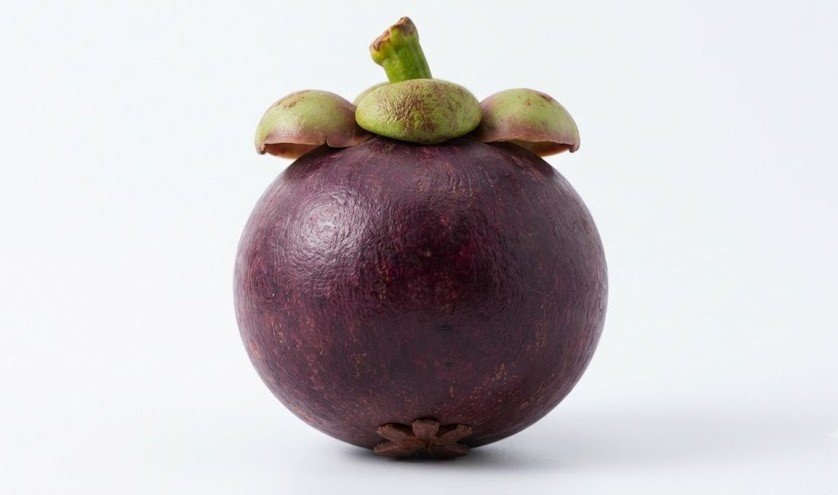

Mangosteen boasts a loyal following among functional nutritionists, culinary explorers, and holistic health seekers alike. This remarkable tropical fruit packs powerful xanthones, dietary fiber, and vitamin C into every serving. Research supports its health benefits far beyond typical non-native fruit hype.
Let us examine what this plant genuinely achieves for immune support, skin protection, and cellular defense. Furthermore, we will cover areas where science needs more human trials and how to consume mangosteen safely.
What Is Mangosteen?
Mangosteen (Garcinia mangostana), widely celebrated as the queen of fruits, is the sweet, tangy fruit of an evergreen tropical tree belonging to the clusia family (Clusiaceae). It is native to Southeast Asia. Consequently, this beloved mangosteen has served traditional Asian cuisines and indigenous herbalism for centuries. Their thick, deep-purple rinds and segmented, snow-white fleshy arils house the active phytochemicals.
A single serving of the edible arils delivers concentrated micronutrients, vitamin C, and specialized plant pigments rather than heavy macronutrients. Active plant compounds like alpha-mangostin, gamma-mangostin, and diverse flavonoids drive its distinct therapeutic activity and antioxidant properties.
How Mangosteen Supports Health and Disease Prevention
Mangosteen for Immune Support and Inflammatory Balance
This stands as one of the plant’s most famous benefits, particularly regarding immune cell function and systemic inflammatory regulation.
-
The Mechanism: Bioactive xanthones work synergistically to inhibit pro-inflammatory enzymes while supporting healthy white blood cell activity across tissues.
-
The Research: Nutritional evaluations demonstrate that regular consumption of mangosteen extracts significantly supports immune resilience and helps maintain healthy inflammatory markers.
Skin Protection and Dermatological Health
Dermatological health and cellular defense rely heavily on dietary compounds that protect tissues from oxidative stress and environmental damage.
-
The Mechanism: Potent antioxidant xanthones accumulate in soft tissues, providing robust protection against free radicals that accelerate skin aging.
-
The Research: Dermatological science shows that consistent dietary inclusion of mangosteen fruit helps improve skin vitality and protects against oxidative wear and tear.
Cellular Defense and Antioxidant Protection
Cellular longevity and internal defense depend heavily on protection against oxidative stress and free-radical damage.
-
The Mechanism: Abundant polyphenols and specialized xanthones neutralize harmful reactive oxygen species across delicate tissues throughout the body.
-
The Research: Biochemical assessments confirm that regular dietary intake of antioxidant-rich mangosteen provides robust protection against cellular damage and systemic stress.
Metabolic Health and Glycemic Support
Systemic metabolic efficiency relies heavily on foods that deliver high nutrient density without causing rapid blood sugar disruptions.
-
The Mechanism: Natural dietary fiber slows down carbohydrate digestion, promoting steady nutrient absorption and metabolic balance.
-
The Research: Metabolic studies indicate that incorporating fiber-rich foreign fruits into balanced diets supports healthy blood sugar regulation and metabolic function.
How to Add Mangosteen to Your Diet
The therapeutic fruit is versatile, functioning as a sweet, luscious culinary addition to diverse tropical dishes:
-
Eaten fresh out of the hand: Score the thick purple rind gently around the equator, twist to open, and enjoy the juicy, sweet-tart white segments raw.
-
Blended into tropical smoothie bowls: Combine fresh arils with berries and leafy greens for a nutrient-dense, antioxidant-rich breakfast bowl.
-
Steeped into herbal fruit teas: Simmer dried mangosteen rinds lightly to extract concentrated xanthones and natural bioactive compounds into a soothing tonic.
-
Start moderately: Begin with standard culinary portions of mangosteen to allow your digestive system to adapt comfortably to the rich fiber and fruit acids.
Safety Considerations for Mangosteen
The tropical queen fruit is remarkably safe for most individuals. However, specific physiological factors require attention:
-
Concentrated Rind Precautions: Because the outer purple rind contains very high concentrations of unrefined tannins and complex xanthones, consuming raw rind extracts in large quantities can occasionally cause mild gastrointestinal distress.
-
Blood Clotting Considerations: Individuals taking prescribed anticoagulant medications or scheduled for surgery should consult a physician before consuming highly concentrated mangosteen supplements.
-
Natural Sugar Awareness: Because fresh fruits are naturally sweet and energy-dense, individuals managing strict blood sugar protocols should monitor individual serving sizes.
-
Sourcing and Ripening: Always choose fresh fruits with deep purple, slightly yielding rinds and bright green caps to ensure optimal internal freshness and flavor.
The Bottom Line
The fascinating tropical fruit backs up its culinary reputation with a solid research base. Specifically, this wonderful mangosteen shines regarding immune support, antioxidant delivery, and skin protection. Distinguishing between proper portioning and understanding personal health needs remains the biggest variable in enjoying mangosteen safely.
Done right, mangosteen makes a protective, therapeutic, and delicious addition to a broader wellness lifestyle. It offers no standalone miracle cure. Yet, mangosteen remains one of the most xanthone-dense and antioxidant-rich fruits in the natural world.