
Kale boasts a loyal following among nutritionists, plant-based chefs, and health-conscious eaters alike. This nutrient-dense cruciferous green packs powerful glucosinolates, vitamins, and antioxidants into every serving. Research supports its health benefits far beyond typical trendy salad-bar hype.
Let us examine what this plant genuinely achieves for cellular protection, eye health, and disease prevention. We will also cover areas where science needs more human trials and how to consume it safely.
What Is Kale?
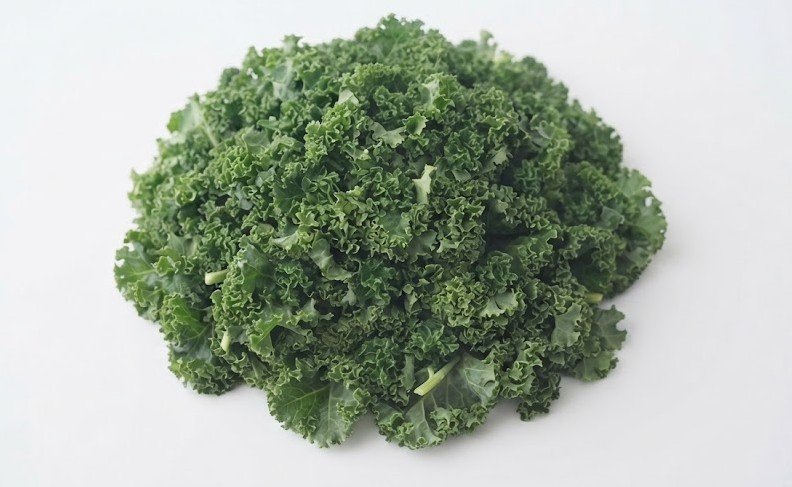
Kale (Brassica oleracea var. sabellica), a member of the cabbage and mustard family (Brassicaceae), includes varieties like curly, Lacinato, and Russian red. It is native to the eastern Mediterranean and Asia Minor. Furthermore, it has served traditional European agriculture and nutrition for millennia. Its crinkled or flat green leaves house the active plant compounds.
A single serving of the fresh leaves delivers extraordinary amounts of essential vitamins and minerals. Specifically, these include vitamin A, vitamin C, vitamin K, calcium, and potassium. Active plant compounds like glucosinolates, sulforaphane, carotenoids, and diverse flavonoids drive its deep color and medicinal activity.
How Kale Supports Health and Disease Prevention
Cellular Protection and Detoxification Support
This stands as the green’s most famous benefit, particularly regarding cellular defense and metabolic cleansing.
-
The Mechanism: Chopping or chewing the leaves activates enzymes. Consequently, these enzymes convert glucosinolates into bioactive compounds like sulforaphane and indoles. These compounds support Phase II liver detoxification enzymes.
-
The Research: Extensive nutritional studies demonstrate that regular consumption of cruciferous vegetables helps protect cellular DNA from oxidative damage. Moreover, it supports healthy metabolic pathways.
Eye Health and Visual Protection
Cellular aging and ocular degeneration pose significant risks to long-term vision. Therefore, they require targeted antioxidant defense.
-
The Mechanism: Kale provides exceptionally high concentrations of lutein and zeaxanthin. These powerful carotenoids accumulate in retinal tissues to filter harmful blue light.
-
The Research: Clinical evaluations confirm that consistent dietary intake boosts macular pigment optical density. Thus, it reduces the long-term risk of age-related macular degeneration and cataracts.
Cardiovascular Health and Cholesterol Regulation
Heart health and vascular efficiency link directly to the rich mineral and antioxidant profile found in dark leafy greens.
-
The Mechanism: Bioactive compounds and bile acid sequestrants help bind cholesterol in the digestive tract. Therefore, they encourage healthy lipid metabolism and vascular function.
-
The Research: Human studies indicate that regular consumption helps improve blood lipid profiles. Specifically, it supports protective cholesterol ratios and reduces cardiovascular risk markers.
Powerful Antioxidant and Anti-inflammatory Protection
Systemic inflammation and oxidative stress drive chronic aging processes and tissue degeneration throughout the body.
-
The Mechanism: High concentrations of quercetin, kaempferol, and diverse polyphenols neutralize harmful free radicals. Additionally, they suppress pro-inflammatory signaling pathways.
-
The Research: Regular intake bolsters internal antioxidant enzyme defenses. As a result, it protects cellular lipids and supports overall immune resilience.
Bone Health and Skeletal Support
Skeletal wellness is crucial for long-term mobility. Consequently, it requires more than just calcium to maintain structural integrity.
-
The Mechanism: The greens deliver a powerhouse combination of high vitamin K content, calcium, and magnesium. These nutrients work together to regulate bone mineralization and protein synthesis.
-
The Research: Nutritional science confirms that adequate vitamin K intake is essential for activating osteocalcin. This protein anchors calcium into bone tissue.
Digestive Health and Microbiome Support
Gastrointestinal wellness relies heavily on dietary fiber and prebiotic compounds that nourish beneficial intestinal bacteria.
-
The Mechanism: Insoluble and soluble fibers add bulk to stool. Moreover, they promote regular bowel movements and nourish beneficial gut microbes.
-
The Research: Clinical observations show that regular inclusion of fibrous greens supports a diverse, thriving microbiome. Furthermore, it aids smooth gastrointestinal function.
How to Add Kale to Your Diet
The leafy green is versatile and fits easily into daily wellness routines:
-
Massaged in raw salads: Chop leaves finely and massage them with a touch of olive oil and lemon juice for a few minutes. This tenderizes the fibrous texture before building a salad.
-
Sautéed or steamed: Lightly sauté garlic and greens in olive oil as a quick, nutrient-dense side dish.
-
Baked into crispy chips: Toss torn leaves with olive oil and sea salt. Then, bake them at low heat until crisp for a healthy snack alternative.
-
Blended into green smoothies: Toss raw leaves into fruit or vegetable smoothies. This step supercharges your daily micronutrient intake.
-
Start moderately: Begin with small culinary portions, such as half a cup cooked or chopped raw. Doing so allows the digestive system to adapt comfortably to the high fiber and nutrient load.
Safety Considerations for Kale
The leafy green is remarkably safe for most individuals, but specific factors require attention:
-
Thyroid Function (Goitrogens): Raw cruciferous vegetables contain goitrogens, which can interfere with iodine uptake when consumed in massive amounts. Individuals with severe hypothyroidism should cook the greens thoroughly to deactivate goitrogens and maintain balanced iodine intake.
-
Blood-Thinning Medications: Because kale is exceptionally rich in vitamin K—which promotes blood clotting—individuals taking anticoagulant medications like warfarin should maintain a consistent daily intake. Otherwise, fluctuating levels can cause issues.
-
Oxalate Content: The greens contain moderate amounts of oxalates. Consequently, individuals with a history of calcium oxalate kidney stones should consume them in moderation.
-
Digestive Adjustment: Introducing high-fiber greens abruptly can occasionally cause temporary bloating or gas in individuals unaccustomed to fibrous diets.
The Bottom Line
The dark leafy green backs up its culinary reputation with an extraordinary research base, especially regarding cellular defense, eye health, and bone support. Distinguishing between raw, fibrous leaves and tenderized or cooked preparations remains the biggest variable in enjoying it comfortably.
Done right, it makes a nourishing, protective, and therapeutic addition to a broader wellness lifestyle. It offers no standalone miracle cure. However, it remains one of the most nutrient-dense and scientifically validated superfoods in the garden.