
Pumpkin seeds boast a loyal following among functional nutritionists, holistic health seekers, and culinary enthusiasts. This remarkable plant seed packs powerful phytosterols, magnesium, and plant-based protein into every serving. Furthermore, research supports its health benefits far beyond typical snack-time expectations.
Let us examine what this food achieves for prostate health, cardiovascular wellness, and metabolic balance. In addition, we will cover areas where science needs human trials and how to consume pumpkin seeds safely.
What Is a Pumpkin Seed?
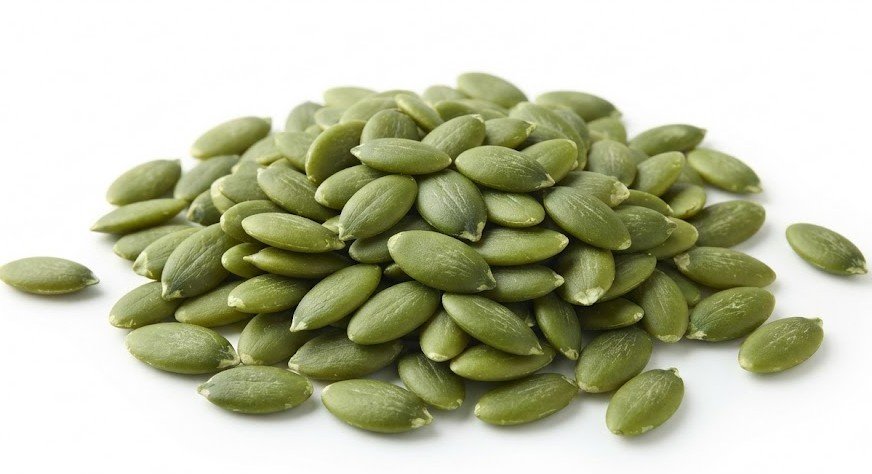
Pumpkin seeds (Cucurbita pepo), widely celebrated as flat, dark green kernels, are the edible seeds harvested from specific varieties of pumpkins and squashes. They are native to the Americas. Consequently, this beloved food has served traditional indigenous and global cuisines for millennia. Their fibrous outer hulls and rich, green inner kernels house active phytochemicals.
A single serving of raw or roasted kernels delivers concentrated micronutrients, healthy fats, and targeted minerals rather than heavy carbohydrates. Active plant compounds like phytosterols, magnesium, zinc, cucurbitacins, and diverse antioxidant phenolics drive its therapeutic activity and nutritional properties.
How Pumpkin Seeds Support Health and Disease Prevention
Pumpkin Seeds for Prostate Health and Urinary Function
Urological wellness and comfortable urinary flow rely heavily on targeted micronutrients and specialized plant sterols.
-
The Mechanism: Bioactive phytosterols and concentrated zinc work synergistically to help inhibit testosterone conversion pathways and support healthy prostate tissue function.
-
The Research: Clinical evaluations demonstrate that regular dietary inclusion of pumpkin seed extracts and whole seeds supports lower urinary tract health in aging men.
Cardiovascular Health and Lipid Balance
Heart wellness and circulatory efficiency rely heavily on maintaining healthy cholesterol levels and supporting blood vessel elasticity.
-
The Mechanism: Abundant magnesium, healthy unsaturated fats, and plant sterols work together to help regulate blood pressure and support healthy blood lipid profiles.
-
The Research: Cardiovascular science shows that consistent dietary intake of nutrient-dense pumpkin seeds significantly supports vascular resilience and overall heart function.
Metabolic Health and Glycemic Support
Systemic metabolic efficiency relies heavily on foods that deliver high mineral density without causing rapid blood sugar disruptions.
-
The Mechanism: High concentrations of dietary magnesium and healthy plant proteins moderate the rate of glucose absorption into the bloodstream.
-
The Research: Metabolic studies indicate that incorporating mineral-dense seeds into balanced diets supports healthy blood sugar regulation and metabolic balance.
Sleep Quality and Mood Support
Restorative rest and neurological balance depend heavily on adequate dietary precursors for key neurotransmitters and relaxation hormones.
-
The Mechanism: Natural abundance of the essential amino acid tryptophan provides a biochemical building block for serotonin and melatonin synthesis.
-
The Research: Nutritional evaluations demonstrate that consuming tryptophan-rich seeds alongside carbohydrates supports healthy sleep onset and neurological calmness.
How to Add Pumpkin Seeds to Your Diet
The therapeutic plant seed is versatile, functioning as a rich, crunchy culinary addition to diverse everyday dishes:
-
Tossed into homemade trail mixes: Combine roasted seeds with raw nuts and dried fruits for a quick, nutrient-dense snack.
-
Sprinkled over morning oatmeal: Scatter raw or roasted seeds across warm porridge or yogurt bowls for added texture and mineral density.
-
Blended into homemade pestos: Substitute traditional nuts with pumpkin seeds to create a vibrant, nutrient-packed green sauce.
-
Start moderately: Begin with standard culinary portions of pumpkin seeds to allow your digestive system to adapt comfortably to the fiber density.
Safety Considerations for Pumpkin Seeds
The nutrient-dense seed is remarkably safe for most individuals. However, specific physiological factors require attention:
-
Seed Allergy Awareness: Although rare compared to tree nut allergies, individuals with known sensitivities to cucurbit family plants should exercise caution with pumpkin seeds.
-
Gastrointestinal Sensitivity: Because these seeds are rich in dietary fiber and heavy fats, consuming very large quantities at once may cause mild bloating or digestive discomfort.
-
Caloric Density Awareness: Because seeds are energy-dense, individuals managing strict weight goals should monitor portion sizes carefully.
-
Sourcing and Storage: Always choose fresh, airtight kernels stored in cool, dark conditions to prevent delicate natural oils from oxidizing over time.
The Bottom Line
The fascinating plant seed backs up its culinary reputation with a solid research base. Specifically, this wonderful food shines regarding prostate health, cardiovascular wellness, and metabolic support. Therefore, distinguishing between proper portioning and understanding personal dietary needs remains the biggest variable in enjoying pumpkin seeds safely.
Done right, pumpkin seeds make a protective, therapeutic, and delicious addition to a broader wellness lifestyle. They offer no standalone miracle cure. Yet, pumpkin seeds remain one of the most nutrient-dense and versatile seeds in the natural world.