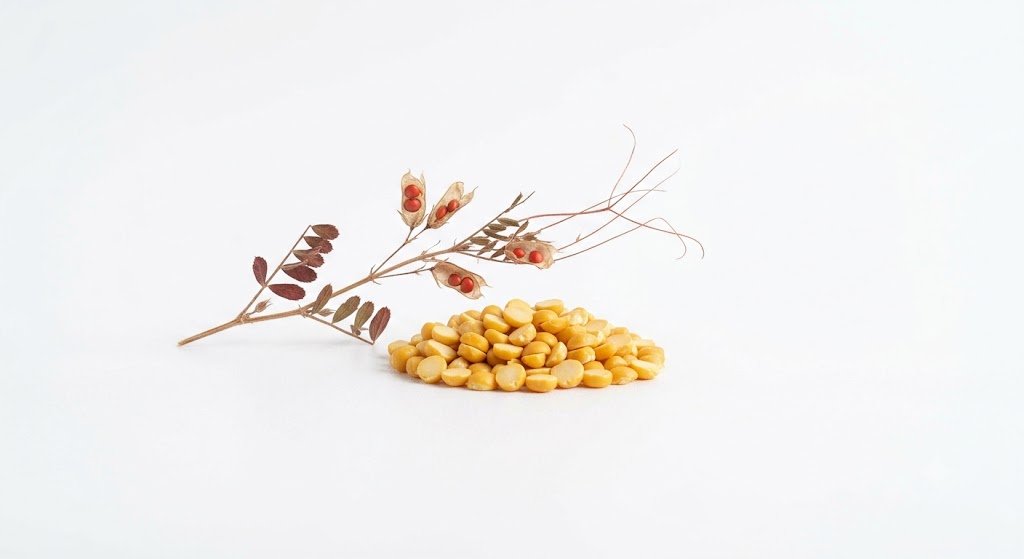

Split chickpea is a highly nutrient-dense pulse belonging to the legume family (Fabaceae). Specifically, this plant is grown globally for its small, protein-rich edible seeds. This historic legume is widely celebrated for its rich, nutty profile and low glycemic index. Additionally, it features a beautifully deep, earthy, and highly versatile flavor profile. For this reason, it has become a foundational dietary staple in many international markets.
Originally, the grain was native to the ancient Mediterranean and Middle Eastern regions. However, it was domesticated thousands of years ago during the dawn of early human agriculture. Later on, it spread rapidly across South Asia, North Africa, and southern Europe through historic trade networks. Today, it is grown extensively across India, Australia, Pakistan, and Turkey. Consequently, it is prized in comforting stews, fresh sprouted bowls, gluten-free savory flours, and modern vegan baking.
Because it is packed with plant-based protein, dietary fiber, essential folate, and active minerals, this pulse is highly valued by international nutritionists. It offers incredible nutritional density alongside remarkable culinary versatility. Therefore, this comprehensive guide explores its history, nutritional profile, health benefits, traditional uses, cultivation methods, and practical ways to include it in your daily diet.
The History of Split Chickpea & Its Cultural Importance
This pulse has a profound agricultural history rooted deeply in the ancient farming communities of the old world. Over time, it spread across the globe through continuous migration and trade.
Split Chickpea Through the Ages
- Ancient Domestication: Archaeological findings confirm that early human societies cultivated the wild variants around 7000 BCE. Specifically, this breakthrough provided a highly stable, drought-resistant source of plant protein.
- Classical European Adoption: Ancient Greek and Roman populations documented the heavy use of this legume early on. Consequently, historic travelers relied on it for sustained physical energy during long maritime journeys.
- Global Spread: The crop became deeply woven into traditional regional dietary frameworks centuries ago. Therefore, it established itself as a premier everyday source of protein for vast vegetarian and health-conscious populations.
- Modern Global Trade: The plant evolved into one of the most widely exported and consumed legumes globally. As a result, it is heavily celebrated in contemporary plant-based protein and gluten-free food industries.
Botanical Description of Split Chickpea
Cicer arietinum belongs to the Fabaceae family. For instance, it is closely related to other vital pulse crops like red lentils, mung beans, black gram, and green peas.
Plant Characteristics
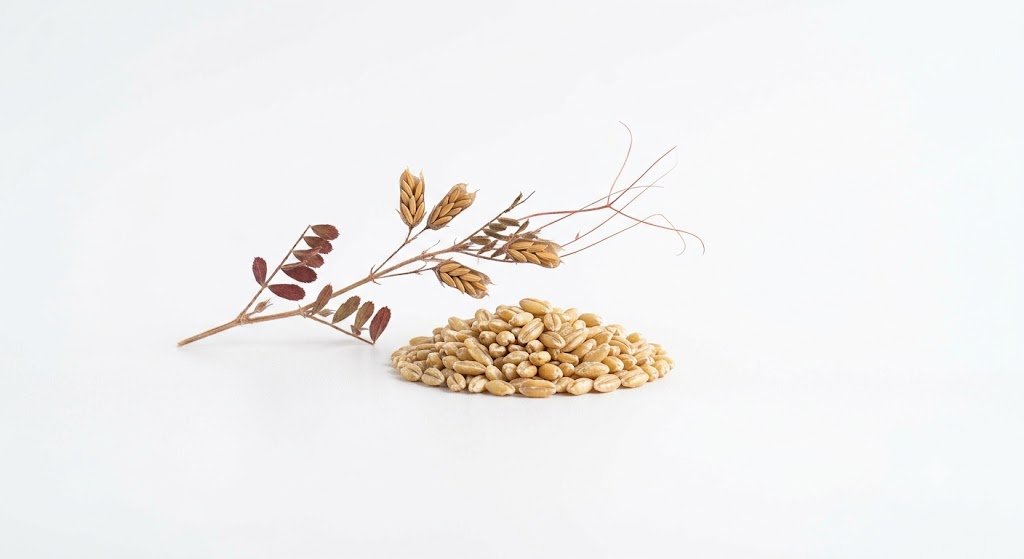
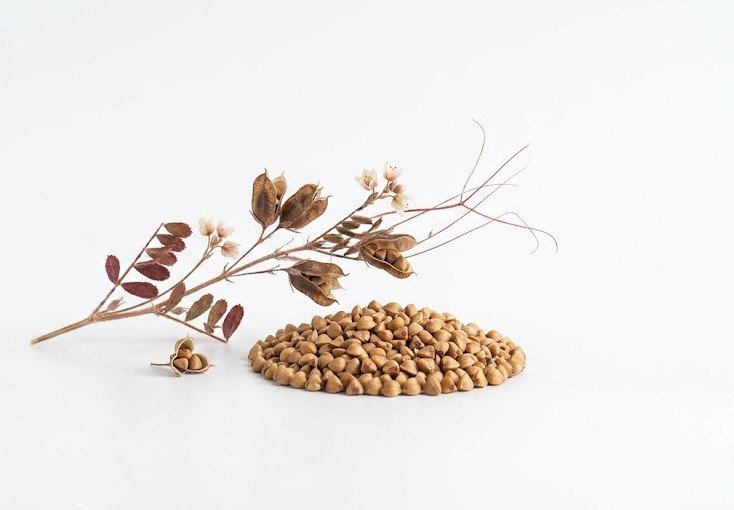
- Growth: It grows naturally as a small, upright, highly branching annual leguminous herb. Usually, it reaches 20 to 50 cm in height and features small glandular hairs on its stems.
- Leaves: The plant produces small, pinnate compound leaves consisting of several pairs of dark green leaflets. In addition, these leaflets feature finely serrated margins.
- Flowers: It bears solitary, small white, pink, or purplish blossoms arranged on slender stalks. Typically, these flowers rely on self-pollination to initiate seed pod development.
- The Pod: It forms a small, inflated, oblong pod when fully mature. Furthermore, each pod holds only one or two round, wrinkled seeds that reveal a bright yellow color when split and de-husked.
Growing Conditions
This legume is a hardy, cool-season crop. Therefore, it requires moderate seasonal temperatures and relatively low moisture to set high-quality seeds.
- Ideal Temperature: It prefers cool growing climates between 18–26°C for optimal plant development. However, it displays excellent tolerance to temporary drought periods due to its deep root structure.
- Soil Type: It thrives best in well-drained, loose sandy loam or black cotton soil. On the other hand, it cannot tolerate waterlogged fields or highly acidic, heavy clay.
- Propagation: It is regularly grown from seeds sown directly into open field rows during early winter or spring. Specifically, it thrives beautifully in areas with limited water resources.
- Harvesting Season: Farmers typically harvest it 90 to 120 days after planting. Specifically, they cut the crop when the entire plant turns golden-brown and the pods dry thoroughly.
Nutritional Profile of Split Chickpea
This pulse is naturally dense in lean protein sources. Furthermore, it contains high amounts of dietary fiber, essential iron, and protective B-complex vitamins. As a result, it is a favorite among active individuals and families seeking clean stamina.
Nutrients (Per 100g Raw Whole Serving)
| Nutrient | Amount | Health Benefits |
| Energy | 364 kcal | Sustainable source of clean, slow-releasing metabolic energy |
| Protein | 20.5g | Rich plant protein density supporting structural cellular repair |
| Dietary Fiber | 17.4g | Massive fiber volume supporting healthy gastrointestinal tracking |
| Folate (B9) | 557µg | Crucial vitamin supporting healthy cellular division and development |
| Iron | 6.2mg | Essential mineral supporting healthy red blood cell production |
| Magnesium | 115mg | Supports deep muscle relaxation and nervous system health |
| Potassium | 875mg | Regulates healthy fluid balances and cardiovascular metrics |
Note: The exceptionally high fiber content remains mostly intact even after the outer husk is split, making it an elite complex carbohydrate source.
Split Chickpea Benefits for Your Everyday Health
1. Provides Superior Plant-Based Protein
Packed with massive concentrations of essential amino acids, it acts as a premier protein building block. Therefore, it assists vegans in maintaining structural muscle repair naturally.
2. Promotes Elite Digestive Health
Boasting over 17 grams of dietary fiber per serving, the whole grain encourages consistent bowel motility. In addition, it provides excellent prebiotic fuel for helpful gut microbes.
3. Supports Stable Blood Sugar Management
Features an exceptionally low glycemic index rating. Because its complex structures break down gradually into the bloodstream, it helps avoid rapid insulin spikes.
4. Supports Cardiovascular Wellness
The abundant dietary fiber works in perfect synergy with internal potassium. As a result, it assists the body in maintaining optimal, healthy blood pressure curves and cholesterol metrics.
5. Supports Healthy Weight Management
Because the high fiber and protein matrix slows down digestion, it keeps you feeling full. Therefore, it naturally reduces the urge to overeat between daily meals.
6. Fights Fatigue Naturally
Rich in plant-based iron, it works closely with cellular enzymes. Consequently, it promotes healthy oxygen transport throughout the bloodstream to maintain daily physical energy.
7. Enhances Meals Naturally
Brings a rich, nutty depth, pleasant color, and satisfying body to daily home cooking without introducing saturated fats.
Traditional & Modern Culinary Uses for Split Chickpea
1. Everyday Spiced Balanced Stew
First, boil the split yellow pulse with turmeric and water until completely soft. Then, temper with hot oil, cumin seeds, garlic, and onions for a foundational meal side.
2. Gluten-Free Chickpea Flour Baking (Gram Flour)
Grinding the dry split seeds yields a smooth, versatile, gluten-free flour. As a result, you achieve an excellent base for savory pancakes and healthy thickeners.
3. Savory Legume Stews
Combining the yellow seeds with diced tomatoes, spinach, and vegetable broth yields a comforting dish. Consequently, you achieve a thick, satisfying soup perfect for winter.
4. Crunchy Roasted Protein Snacks
Roasting the boiled seeds with a light spray of cold-pressed oil and sea salt allows you to pack a dense, macro-balanced snack.
How to Include Split Chickpea in Your Diet
- Hearty Plant Stews – Prepare a comforting batch of split chickpea soup seasoned with cumin and fresh lemon juice.
- Gluten-Free Pancakes – Whisk the ground flour with water, chopped vegetables, and herbs for a quick breakfast.
- High Protein Base – Stir cooked split chickpeas into your homemade vegetable curries to boost the protein volume.
- Healthy Snack Pots – Keep a container of spiced, dry-roasted seeds on hand for a quick afternoon snack.
- Nutritious Thickener – Add two tablespoons of the ground flour directly into your simmering soups to thicken the broth naturally.
Side Effects & Precautions
While safe and highly beneficial for the general population, certain precautions apply:
- Mild temporary gas or abdominal shifting may manifest if massive quantities are introduced suddenly to a low-fiber diet.
- Soaking Recommendation: Pre-soaking the seeds for a few hours before boiling is highly recommended to break down natural oligosaccharides.
- Excessive consumption of heavily salted commercial fried snack variants should be monitored due to high sodium levels.
Ultimately, individuals seeking to maximize their daily health advantages must prioritize home-cooked or roasted forms over commercial fried snacks to protect their system. (Source: Wikipedia: Chickpea)
Conclusion
In summary, Cicer arietinum is a nutrient-rich pulse celebrated for its exceptional plant proteins, fiber density, and unparalleled culinary utility. From simple everyday spiced stews to gluten-free flours and savory plant options, split chickpea continues to reign as a vital foundational food across the earth. Whether eaten as a whole grain or a versatile flour, it delivers fantastic life-giving value to a balanced lifestyle.
Therefore, start introducing whole or split chickpea varieties into your weekly diet planning. Ultimately, you will enjoy its distinctively rich flavor and protective properties as part of a natural, healthy lifestyle.