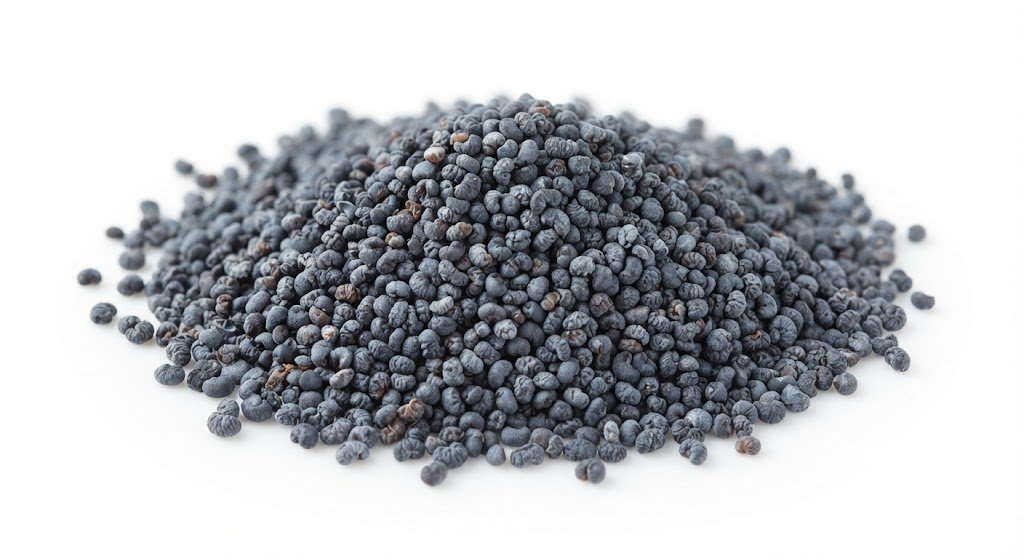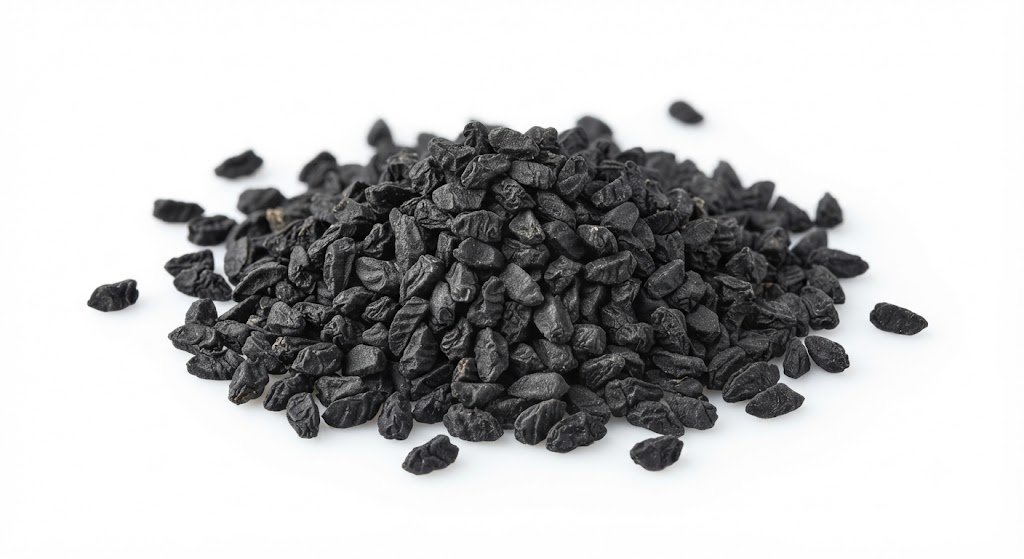
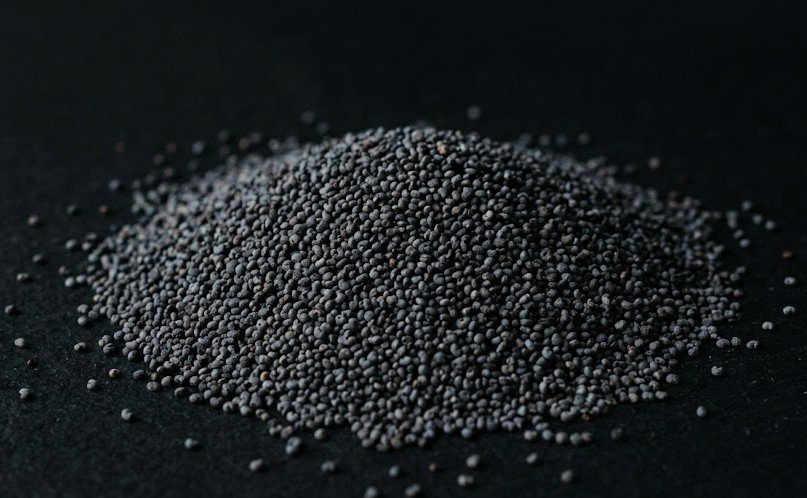

Poppy seeds are a highly nutrient-dense functional food harvested from the dried seed pods of the poppy plant (Papaver somniferum). Nestled intricately by the thousands within small, hollow structural capsules, these kidney-shaped, minuscule treasures emerge across global markets in varying shades of slate blue, dark gray, and creamy white. This historic food is widely celebrated across the globe for holding an exceptional natural concentration of skeletal-mineralizing elements and heart-healthy oleic acid. Additionally, it features a beautifully crisp texture alongside a distinctively mild, warm, deeply nutty, and sweet aromatic flavor footprint. For this reason, it has become a foundational culinary and functional food staple in many international markets.
Originally, the parent plant species was native to the ancient, sun-drenched coastal valleys of the Mediterranean basin. However, it was domesticated thousands of years ago during the very dawn of early human agricultural tracking lines. Later on, it spread rapidly across Central Europe, South Asia, and East Asia through ancient silk trade channels and historic maritime commerce networks. Today, it is produced extensively across Turkey, the Czech Republic, India, and Australia. Consequently, it is prized as a clean portable whole food nutrient booster, a foundational baseline for rich regional dessert pastes, a texturizing topping for artisanal baking, and a traditional relaxation staple.
Because it is packed with essential dietary fiber, plant protein matrices, calcium structures, and a massive density of manganese and protective plant sterols, this ancient pod seed is highly valued. It offers incredible nutritional density alongside remarkable culinary versatility. Therefore, this comprehensive guide explores its history, nutritional profile, health advantages, traditional uses, cultivation frameworks, and practical ways to include it in your daily diet safely.
The Historic Journey of Poppy Seeds & Their Cultural Importance
This premium botanical seed possesses a monumental agricultural history rooted deeply in early human civilization survival and traditional nutritional tracking. Over time, it spread across the globe through continuous migration and trade.
The Ancient History of Papaver Seed Matrixes
- The Egyptian Medical Staples: Early human societies across the ancient Nile valley cultivated the flowering stalks as early as 1500 BCE. Growth parameters prioritized these fields because the dry grains provided a valuable, highly stable asset used to quiet crying infants and ease physical discomfort loops naturally.
- The Minoan Poppy Goddess Artifacts: Historical Mediterranean excavations unearthed ancient statues displaying crowns adorned with seed capsules. Consequently, archaeologists validated that early civilizations highly praised the unrefined kernels as a supreme symbol of physical rest, health, and structural abundance.
- Traditional South Asian Khus Khus: Eastern holistic practitioners heavily integrated the specific properties of the white seeds into early daily routines. As a result, they utilized them to lower internal heat stress during hot summer months, reinforce structural bone densities, and soothe troubled digestive tracts.
- Modern Mineral Density Validation: Food scientists isolated its extraordinary micronutrient profile, particularly its massive manganese and non-dairy calcium volume, in the late 20th century. Therefore, it achieved massive contemporary popularity globally as a premier bone-health superfood.
Botanical Description of the Poppy Plant
Papaver somniferum belongs to the Papaveraceae family. For instance, it grows naturally as a highly striking, erect herbaceous annual completely distinct from standard commercial grain grass fields or sprawling woody orchard trees.
Structural Characteristics of Unrefined Poppy Seeds
- Growth: It grows naturally as an erect, branching annual herbaceous plant. Usually, it reaches 1 to 1.5 meters in height and develops smooth, glaucous green stems that produce a rich milk-like white sap network internally.
- Leaves: The plant produces alternate, clasping, oblong leaves measuring 10 to 25 cm in length. In addition, these silver-green leaves feature deeply lobed, wavy, and sharply toothed structural margins that catch morning dews efficiently.
- Flowers: It bears spectacular, large, four-petaled terminal blossoms measuring up to 10 cm in diameter. Typically, these beautiful blossoms bloom in stunning shades of pure white, soft pink, deep red, and dark violet, relying on flying insects for cross-pollination.
- The Capsule Fruit: It forms a large, smooth, globular or vase-shaped seed pod topped by a distinctive radiating disk. Furthermore, as the capsule dries out naturally, tiny pores open up beneath the crown, allowing thousands of minuscule seeds to shake loose easily.
Ideal Growing Conditions for Maximum Poppy Seeds Yield
This plant is a sun-loving, highly adaptable seasonal crop. Therefore, it requires open field solar exposure and loose, well-drained soil layers to complete its seed-setting phase successfully.
- Ideal Temperature: It prefers cool early growing templates between 10–20°C for optimal root establishment and early leaf extension. However, it requires dry, hot, sun-drenched summer months to mature its heavy seed pods successfully without mold issues.
- Soil Type: It thrives best in well-drained, loose fertile loams, deep volcanic soils, or alluvial silts with an optimal neutral pH profile. On the other hand, it absolutely cannot tolerate heavy, compacted wet clay that suffocates delicate taproots.
- Propagation: It is regularly grown from seeds sown directly into open field beds during early spring or late autumn. Specifically, its tiny seed scale requires superficial soil coverage and light initial moisture to trigger successful germination loops.
- Harvesting Season: Farmers harvest the mature crop during late summer when the seed pods turn from green to a brittle straw-brown color and rattle loudly upon shaking. Specifically, they utilize mechanical combine harvesters to gather the pods and isolate the loose seeds immediately.
Nutritional Profile of Raw Poppy Seeds
This unrefined seed is naturally dense in essential minerals. Furthermore, it contains high amounts of dietary fiber, plant proteins, and healthy unsaturated fatty acids. As a result, it is a favorite among active individuals seeking sustained clean stamina tracking.
Essential Nutrients in Poppy Crop Seeds (Per 100g serving)
| Nutrient | Amount | Health Benefits |
| Energy | 525 kcal | Natural source of dense, clean, slow-releasing metabolic energy |
| Dietary Fiber | 19.5g | High fiber volume supporting exceptional gastrointestinal tracking |
| Total Fat | 41.6g | Clean lipid matrix dominated by heart-healthy unsaturated fats |
| Protein | 18.0g | High plant protein density supporting structural cellular repair |
| Calcium | 1438mg | Extraordinary mineral presence supporting deep skeletal safety |
| Manganese | 6.7mg | Record-breaking trace mineral fueling optimal bone matrix creation |
| Magnesium | 347mg | Crucial mineral supporting deep muscle relaxation and nervous health |
Note: A single two-tablespoon serving easily delivers over a quarter of your daily calcium goals and a massive dose of your target manganese markers. (Source: USDA FoodData Central)
Poppy Seeds Health Benefits for Your Everyday Well-being
1. Reinforces Bone Matrix Density via High Manganese
Packed with a record-breaking concentration of active manganese and plant-based calcium, it directly fuels the enzymatic processes that create structural bone tissue. Consequently, it assists the body in maintaining strong structural baselines and shields aging bone frameworks from density metrics drops.
2. Promotes Excellent Intestinal Transit and Comfort
Features an exceptional volume of natural insoluble dietary fibers. Because this specialized matrix absorbs moisture smoothly within the intestinal tract, it assists the body in encouraging consistent bowel transit tracking and clears away digestive friction.
3. Supports Cardiovascular and Cholesterol Profiles Safely
Its unique plant-based oleic and linoleic fatty acid matrix works efficiently with vascular health models. Specifically, regular intake helps maintain optimal, clean blood pressure parameters, reduces circulating low-density lipoproteins, and shields arterial walls from stress.
4. Nurtures Neurological Relaxation and Rest
Contains a remarkable combination of muscle-relaxing magnesium and natural trace elements that support the nervous system. For example, incorporating the seeds into your evening meal layouts helps calm overactive nerve signaling, naturally easing restless bodies into deep evening rest cycles.
5. Enhances Cognitive and Circulatory Health
The abundant trace iron and zinc elements work in perfect cross-reactive synergy to optimize red blood cell function and support immune cellular loops. Specifically, eating a small serving regularly helps facilitate smooth oxygen carrier loops throughout systemic pathways.
Traditional & Modern Culinary Uses for Poppy Seeds
1. Traditional South Asian Khus Khus Cooling Pastes
First, soak four tablespoons of white poppy seeds in warm water for two hours. Then, grind the soft seeds inside a heavy mortar or high-speed mill with a splash of water to form a rich, cooling paste perfect for thickening traditional summer curries.
2. Wholesome Whole Grain Baking Crusts
Combining whole seeds over your whole-grain lemon muffins or artisanal bread crusts yields a beautiful baseline. As a result, your baked items gain a beautifully moist texture, an excellent crunch, and a rich, toasted nutty aroma footprint.
3. Nutritious Citrus Omega Dressings
Whisking two teaspoons of the seeds with extra virgin olive oil, fresh lemon juice, apple cider vinegar, and raw honey produces a beautifully textured dressing that enhances simple field green salads.
4. Hearty Morning Oatmeal Toppings
Scattering a teaspoon of raw seeds straight over your cooked oats or chia puddings adds a beautiful visual contrast and a fantastic pop of structural bone minerals.
How to Include Poppy Seeds in Your Daily Diet
- The Pre-Soaking Activation Rule: Always try to soak your poppy seeds in liquids before heavy integration into uncooked recipes; specifically, pre-soaking softens the rigid outer hull, making the rich internal mineral payload significantly easier for your digestive system to process.
- The Strict Airtight Storage Habit: Store your seeds inside a tightly sealed container placed in the refrigerator or freezer; specifically, their rich fat content makes them exceptionally sensitive to ambient light and heat, which can cause the oils to turn bitter over time.
- Morning Porridge Stir-Ins – Blend a teaspoon directly into your warm morning amaranth or buckwheat breakfast bowls.
- Nutritious Sandwich Spreads – Whisk the seeds into raw tahini or almond butter to add an exceptional crunch to your healthy spreads.
- Savory Soup Garnishes – Drop a pinch of raw seeds straight into your hot sweet potato or blended lentil stews right before serving to add texture.
Side Effects & Precautions
While safe and highly beneficial for the general population, certain precautions apply:
- Consuming excessive, unmeasured quantities may contribute to a rapid surplus of daily calories due to their intense energy density.
- The Safety Testing Note: While the clean edible seeds contain only minute, harmless trace amounts of alkaloid compounds, consuming large quantities can occasionally trigger false-positive results on highly sensitive diagnostic drug screenings; therefore, it is best to avoid heavy consumption right before medical safety test dates.
- Always buy seeds derived from thoroughly washed, food-grade industrial processing frameworks to ensure the product is completely safe and free from outdoor crop contaminations.
The Final Quality Verdict on Unrefined Poppy Seeds
Ultimately, individuals seeking to maximize their daily health advantages must prioritize clean, organically grown seeds purchased from reputable spice houses over stale, heavily sweetened commercial bakery products. (Source: Wikipedia: Poppy Seed)
Conclusion
In summary, Papaver somniferum seed is a nutrient-rich functional food celebrated for its exceptional plant calcium payload, manganese bone optimization, and unparalleled culinary utility. From simple everyday portable snacking to cooling curry pastes, baking toppings, and citrus dressings, poppy seeds continue to reign as a vital foundational superfood seed across the earth. Whether eaten raw as a quick macro sprinkle or ground into rich dessert pastes, they deliver fantastic life-giving value to a balanced lifestyle.
Therefore, start introducing raw poppy seed varieties into your weekly diet planning alongside target superfoods. Ultimately, you will enjoy their distinctively rich flavor and protective properties as part of a natural, healthy lifestyle. For more such posts, visit thenaturefix.in