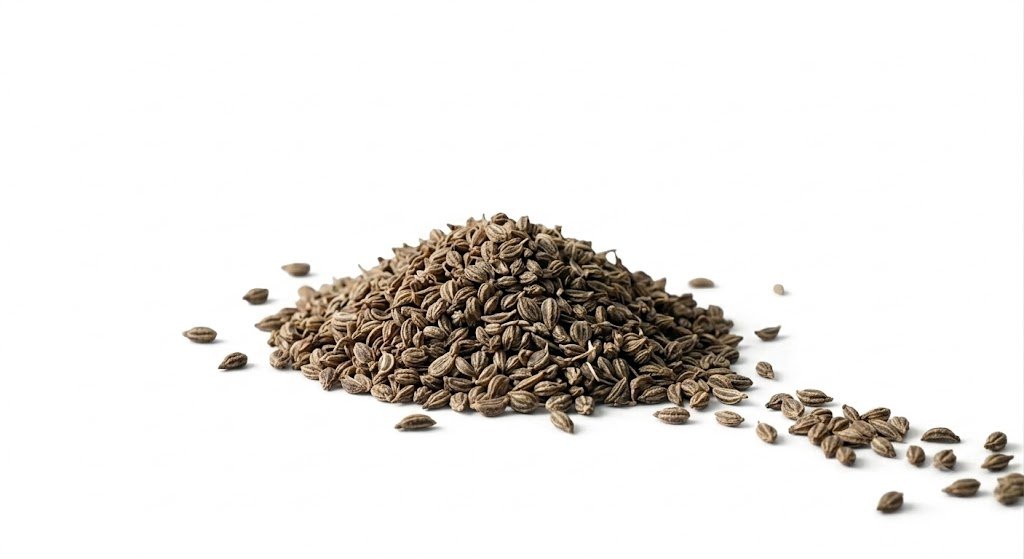

Ajwain (Trachyspermum ammi), commonly known as Carom Seeds, Bishop’s Weed, or Omam, is a highly aromatic spice belonging to the parsley family (Apiaceae). Native to the Indian subcontinent and the Middle East, ajwain seeds are widely used in Indian, Middle Eastern, and North African cuisines for their distinctive pungent flavor and aroma, which resembles thyme. Rich in essential oils, antioxidants, dietary fiber, and minerals, ajwain has been valued for centuries as both a culinary ingredient and a traditional wellness-supporting spice.
Ajwain (Carom Seeds) (Trachyspermum ammi) – A Comprehensive Guide
Packed with beneficial plant compounds, dietary fiber, essential oils, and minerals, ajwain is recognized for its nutritional and culinary significance. This guide explores its history, nutritional profile, health benefits, traditional uses, cultivation methods, and practical ways to include it in your diet.
Historical Significance & Cultural Importance
Ajwain has been an integral part of traditional cooking and food culture for generations.
Ajwain in Ancient Traditions
Indian Heritage: Widely used in traditional recipes, spice blends, and household remedies.
Ayurvedic Traditions: Incorporated into dietary practices for digestive wellness.
Middle Eastern Cuisine: Used as a seasoning ingredient in breads and savory dishes.
Traditional Households: Commonly included in recipes for its strong flavor and aromatic qualities.
Botanical Description
Ajwain belongs to the Apiaceae family and is classified under the Trachyspermum genus.
Plant Characteristics
Growth: Annual herb reaching 60–90 cm in height.
Leaves: Soft, feathery green leaves resembling parsley.
Flowers: Small white flowers arranged in umbrella-shaped clusters.
Seeds: Tiny, oval-shaped greyish-green fruits commonly referred to as seeds, possessing a strong aromatic scent.
Cultivation & Growing Conditions
Ajwain grows well in dry and semi-arid climates.
Ideal Temperature: 15–30°C for optimal growth.
Soil Type: Well-drained sandy or loamy soil.
Propagation: Grown directly from seeds.
Harvesting Season: Typically harvested 120–150 days after sowing when seed heads mature and dry.
Nutritional Profile of Ajwain (Carom Seeds)
Ajwain seeds contain dietary fiber, minerals, antioxidants, and essential oils.
Nutrients in Ajwain (Per 100g Serving)
| Nutrient | Amount | Health Benefits |
|---|---|---|
| Energy | 305 kcal | Provides sustained energy |
| Dietary Fiber | 39g | Supports digestive health |
| Protein | 15g | Supports tissue growth and repair |
| Calcium | 1,030mg | Supports bone and teeth health |
| Iron | 14mg | Supports healthy blood formation |
| Thymol | Present | Aromatic bioactive compound |
Health Benefits of Ajwain
1. Supports Digestive Health
Ajwain has traditionally been used in cuisines to enhance flavor and digestive comfort.
Its fiber content supports healthy digestion and gut function.
2. Provides Antioxidant Protection
Contains beneficial plant compounds and essential oils.
These compounds help protect cells from oxidative stress.
3. Supports Immune Function
Provides minerals and aromatic plant compounds that contribute to overall wellness.
Can be included as part of a balanced diet.
4. Supports Bone Health
Rich in calcium and other minerals involved in maintaining strong bones and teeth.
Supports long-term skeletal wellness.
5. Supports Healthy Blood Formation
Contains iron, which contributes to normal red blood cell production.
Supports oxygen transport throughout the body.
6. Supports Respiratory Wellness
Traditionally used in various cultures as part of dietary practices aimed at supporting respiratory comfort.
Can be incorporated into wellness-focused meal plans.
7. Supports Overall Nutrition
Adds flavor, aroma, and nutritional value to meals.
Enhances the taste profile of numerous traditional recipes.
Traditional Uses of Ajwain
1. Ajwain Water
Recipe: Boil ajwain seeds in water, strain, and consume warm.
2. Tempering (Tadka)
Usage: Added to hot oil or ghee to flavor vegetable dishes, lentils, and curries.
3. Bread and Snacks
Recipe: Mixed into parathas, puris, biscuits, and savory snacks.
4. Herbal Infusions
Usage: Included in traditional herbal beverages and spice teas.
How to Include Ajwain in Your Diet
Ajwain Water – Traditional warm beverage.
Parathas and Flatbreads – Add to dough for flavor.
Curries and Lentils – Use in tempering and seasoning.
Savory Snacks – Include in crackers, biscuits, and fried snacks.
Herbal Teas – Blend with other spices for aromatic drinks.
Side Effects & Precautions
While ajwain is generally safe for most people, excessive consumption may cause:
- Digestive discomfort or stomach irritation.
- Heartburn in sensitive individuals.
- Allergic reactions in rare cases.
- Potential interactions with certain medications when consumed in large quantities.
Individuals with specific medical conditions should consult a healthcare professional regarding dietary intake.
Conclusion
Ajwain (Trachyspermum ammi), commonly known as Carom Seeds, is an aromatic and nutrient-rich spice that provides dietary fiber, minerals, antioxidants, and beneficial plant compounds. From supporting digestive health and bone strength to contributing to overall wellness and nutrition, ajwain offers numerous benefits as part of a balanced diet. Whether used in breads, curries, herbal beverages, or traditional recipes, this versatile spice remains an important ingredient in culinary traditions across the world.
Start incorporating ajwain into your daily meals and enjoy its distinctive flavor and nutritional benefits as part of a healthy lifestyle.