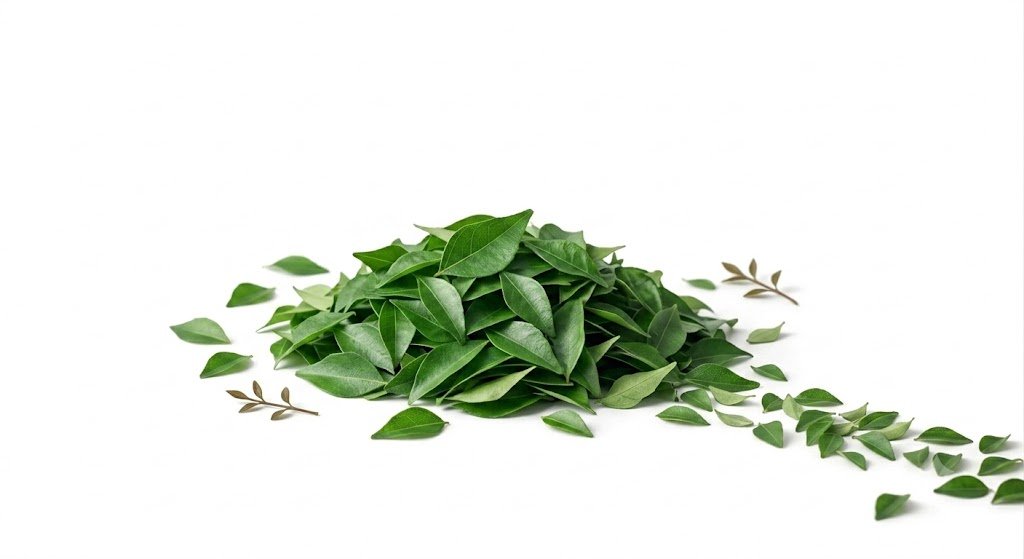
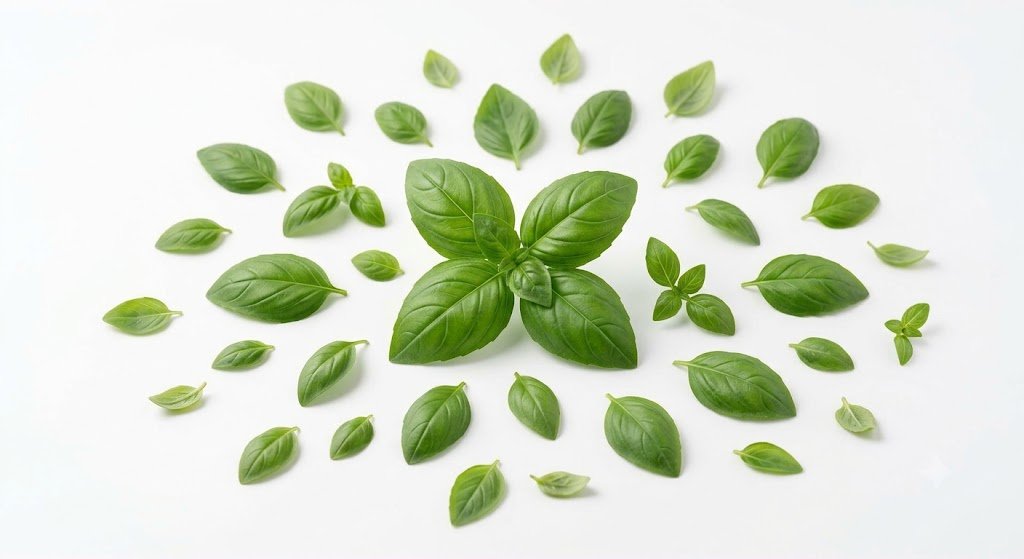

Basil is a highly nutrient-dense aromatic whole food herb derived from the lush, tender leaves of the annual culinary plant (Ocimum basilicum). Standing proudly as the undisputed “King of Herbs” across international gastronomic sectors, this radiant green crop yields dense clusters of smooth, ovate leaves displaying colors ranging from bright emerald to deep royal purples. This historic food is widely celebrated across the globe for holding an exceptional natural concentration of cell-defending eugenol antioxidants and bone-mineralizing Vitamin K. Additionally, it features a beautifully delicate, crisp texture when consumed raw, releases aromatic volatile oils smoothly when bruised, and carries a distinctively bright, peppery, sweet anise, and clove-like flavor footprint. For this reason, it has become a foundational culinary and functional food staple in many international markets.
Originally, the parent herb species was native to the ancient, tropical ecosystems of Central Asia and the sun-drenched valleys of India. However, it was domesticated thousands of years ago during early human agricultural tracking lines. Later on, it spread rapidly across the Mediterranean basin, East Asia, and the Americas through ancient maritime spice channels and complex royal trade tracking frameworks. Today, it is produced extensively across Italy, Egypt, India, and the United States. Consequently, it is prized as a clean portable culinary accent, a foundational baseline for vibrant genovese pestos, a metabolic cellular shield, and a modern longevity dietary staple.
Because it is packed with essential dietary fibers, protective plant sterols, vital fat-soluble vitamins, and a massive density of active iron, calcium, and volatile organic oils, this botanical herb is highly valued. It offers incredible nutritional density alongside remarkable culinary versatility. Therefore, this comprehensive guide explores its history, nutritional profile, health advantages, traditional uses, cultivation frameworks, and practical ways to include it in your daily diet safely.
The Historic Journey of Basil & Its Cultural Importance
This premium aromatic herb possesses a monumental agricultural history rooted deeply in early spiritual rituals and traditional planetary holistic health tracking models. Over time, it spread across the globe through continuous migration and trade.
The Ancient History of Ocimum Basilicum Grass
- The Sacred Indian Tulsi Foundations: Early human societies across South Asia revered distinct close botanical varieties as direct earthly symbols of divine protection. Growth parameters prioritized these home gardens because the leaves provided essential protective tonics used systematically to clear respiratory tracking paths.
- The Mediterranean Royal Embalmings: Historical Egyptian and Greek logs heavily documented using the intensely fragrant herb during high-status burial rituals. Consequently, classical communities explicitly designated the unrefined leaves as a protective crown asset fit to guide souls safely into structural dimensions.
- The Italian Romance and Folklore Tokens: Southern European cultural systems heavily integrated the specific properties of the fresh sprigs into early relationship customs. As a symbolic custom, displaying a small potted plant on a balcony window served as a clean indicator of romantic welcome to passing tracking suitors.
- Modern Volatile Oil Validation: Food scientists isolated its unique chemical baseline, particularly its highly concentrated monoterpenes like linalool and active eugenol, in the late 20th century. Therefore, it achieved massive contemporary popularity globally as a premier functional anti-inflammatory superfood.
Botanical Description of the Culinary Herb Plant
Ocimum basilicum belongs exclusively to the mint family (Lamiaceae). For instance, it grows naturally as a lush, branching annual or short-lived perennial herb completely distinct from woody commercial orchard trees or coarse grain fields.
Structural Characteristics of Unrefined Basil Leaves
- Growth: It grows naturally as a compact, multi-branched annual herbaceous plant. Usually, it reaches 30 to 60 cm in height and develops smooth, square green stems that host abundant oil glands internally.
- Leaves: The plant produces opposite, broad, ovate green leaves measuring 3 to 10 cm in length. In addition, these slightly cupped leaf blades feature a smooth, glossy upper texture that reflects excess summer heat fields beautifully.
- Flowers: It bears small, elegant tubular white or pale purple blossoms arranged in dense terminal spikes at the stalk tips. Typically, these beautiful flower clusters emerge during late summer, relying heavily on local bees and wild insects for cross-pollination.
- The Nutlet Seed: It forms thousands of tiny, oval, jet-black nutlet seeds nestled deep within the dried flower calyx shields. Furthermore, wetting these small seeds instantly triggers a gelatinous mucilage casing, holding an active protective survival strategy.
Ideal Growing Conditions for Maximum Basil Yield
This plant is a sun-loving, highly frost-sensitive seasonal crop requiring ample ambient warmth and moist field beds to achieve optimal volatile oil production.
- Ideal Temperature: It prefers warm growing climates between 20–30°C for optimal leaf expansion and oil accumulation. However, it is highly sensitive to spring frosts, chilly night drafts, and cold waterlogged field beds that turn the leaves black instantly.
- Soil Type: It thrives best in well-drained, loose fertile loams or alluvial silty soils rich in organic matter with a neutral pH profile. On the other hand, it absolutely cannot tolerate highly compacted, hardpan clay layers that choke out root oxygen.
- Propagation: It is regularly grown from seeds sown in protected greenhouses or propagated easily from stem cuttings rooted directly in pure water. Specifically, modern organic setups ensure continuous terminal tip pruning to prevent early flower tracking and extend leaf yields.
- Harvesting Season: Farmers harvest the mature crop continuously throughout the warm summer months by snipping the upper leaf clusters cleanly. Specifically, they gather the fresh sprigs during early morning hours when the internal volatile oil matrices maintain their peak aromatic weight.
Nutritional Profile of Fresh Basil Leaves
This unrefined culinary herb is naturally dense in fat-soluble vitamins. Furthermore, it contains high amounts of plant-based calcium, trace iron, and protective volatile compounds. As a result, it is a favorite among active individuals seeking sustained clean stamina tracking.
Essential Nutrients in Basil Plant Matrices (Per 100g raw leaf serving)
| Nutrient | Amount | Health Benefits |
| Energy | 23 kcal | Low-calorie source of intense, active micronutrient density |
| Vitamin K | 414.8µg | Record-breaking vitamin presence driving optimal blood clotting profiles |
| Vitamin A | 264.0µg | High beta-carotene volume protecting visual and skin tissue layers |
| Calcium | 177mg | Non-dairy mineral presence supporting deep skeletal safety loops |
| Iron | 3.2mg | Vital mineral supporting healthy red blood cell oxygen carrier loops |
| Dietary Fiber | 1.6g | Supports smooth, balanced gastrointestinal transit tracking paths |
| Eugenol Oil | Active | Powerful volatile antioxidant downregulating systemic tissue inflammation |
Note: Sourced directly from fresh garden harvests, two tablespoons of chopped leaves provide close to your entire daily targeted Vitamin K requirements. (Source: USDA FoodData Central)
Basil Health Benefits for Your Everyday Well-being
1. Regulates Blood Clotting and Vascular Safety via Vitamin K
Packed with massive concentrations of active Vitamin K, it functions as an irreplaceable cofactor for the hepatic synthesis of blood coagulation proteins. Consequently, it assists the body in maintaining optimal wound healing tracking and shields arterial tracks from calcification loops.
2. Downregulates Systemic Tissue Stress via Eugenol
Features an exceptional profile of volatile eugenol, linalool, and citronellol compounds. Because this specialized configuration actively inhibits inflammatory cyclooxygenase (COX) enzymes, it assists the body in naturally soothing muscle soreness and eases systemic joint stiffness.
3. Delivers Robust Antimicrobial Cellular Protection
Its unique volatile oil matrices display powerful natural properties that actively inhibit the growth of harmful bacteria. Specifically, regular dietary intake helps maintain a clean, balanced internal microbiome environment, shielding cellular linings smoothly.
4. Protects Vision and Cellular Linings via Vitamin A
Contains a remarkable volume of fat-soluble beta-carotene antioxidants that the body converts into active retinol. For example, incorporating the fresh leaves into daily dishes helps filter out oxidative lens stress, supporting sharp long-term visual tracking.
5. Supports Cardiovascular and Micro-Vascular Health
The abundant magnesium and trace potassium elements work in perfect cross-reactive synergy with smooth vascular muscle cells. Specifically, it encourages immediate blood vessel relaxation, supporting clean circulation metrics cleanly.
Traditional & Modern Culinary Uses for Basil
1. Vibrant Authentic Genovese Pestos
First, place two cups of packed fresh basil leaves inside a traditional mortar or food processor. Then, blend smoothly with two garlic cloves, a half-cup of toasted pine nuts, sea salt, grated Parmigiano-Reggiano, and a continuous drizzle of extra virgin olive oil to create an elite baseline sauce.
2. Classic Neapolitan Caprese Salad Sprinkles
Combining whole raw leaves systematically over sliced heirloom tomatoes, fresh buffalo mozzarella, and coarse sea salt yields a beautiful baseline. As a result, your fresh salads gain a beautifully colorful visual layout and an excellent peppery punch.
3. Infused Extra Virgin Herb Oils
Submerging a large cluster of cleaned, thoroughly dried fresh leaves directly into a bottle of pure olive oil for one week allows the volatile compounds to transfer cleanly. Consequently, this blend acts as a premium, antioxidant-rich finishing oil for roasted root vegetables.
4. Warming Tomato and Herb Soup Garnishes
Tossing chopped fresh leaves straight into simmering tomato, red lentil, or vegetable purees right at the final second of cooking preserves the delicate aromatic structures perfectly while building exceptional depth.
How to Include Basil in Your Daily Diet
- The Final Second Cooking Rule: When cooking hot pasta sauces or vegetable stews, always add your fresh chopped leaves during the final second off the flame; specifically, exposing the leaves to continuous high boiling heat fields rapidly volatilizes the delicate aromatic oils and darkens the color.
- The Tearing Habit: Try to tear the leaves gently by hand rather than aggressively slicing them with cold steel knives; specifically, steel compression can quickly bruise the delicate borders, causing premature oxidation and browning.
- Morning Smoothie Enhancements – Toss 3 to 5 clean leaves straight into your green avocado or pineapple shakes to add a bright flavor twist.
- Nutritious Hummus Boosters – Blend fresh leaves directly into your homemade chickpea or white bean dips to vary your macro tracking.
- Zesty Salad Accents – Mix whole leaves right into your field greens, arugula, and cucumber salad layouts to optimize your texturizing footprints.
Side Effects & Precautions
While safe and highly beneficial for the general population, certain precautions apply:
- Consuming standard culinary quantities is exceptionally safe, but consuming massive, concentrated supplemental oil extracts should be approached mindfully due to intense compound density.
- Medication Note: Due to the record-breaking Vitamin K concentration, individuals managing active blood-thinning therapies should maintain consistent, stable dietary herb volumes rather than executing sudden spikes.
- Store fresh sprigs upright with their stems placed in a glass of pure water at room temperature rather than chilling them inside damp plastic bags, which turns the leaves black rapidly.
The Final Quality Verdict on Unrefined Basil Leaves
Ultimately, individuals seeking to maximize their daily health advantages must prioritize fresh, locally grown organic leaves or home-potted plants over stale, oxidized dried commercial flakes that have lost their vital volatile compound payload. (Source: Wikipedia: Basil)
Conclusion
In summary, Ocimum basilicum is a nutrient-rich functional food celebrated for its exceptional eugenol antioxidant matrix, bone-protecting Vitamin K, and unparalleled culinary utility. From simple everyday genovese pestos to classic caprese salads, infused oils, and tomato soup garnishes, basil continues to reign as a vital foundational superfood herb across the earth. Whether eaten as a fresh raw whole leaf sprinkle or blended into rich green sauces, it delivers fantastic life-giving value to a balanced lifestyle.
Therefore, start introducing raw basil varieties into your weekly diet planning alongside target superfoods. Ultimately, you will enjoy their distinctively rich flavor and protective properties as part of a natural, healthy lifestyle.