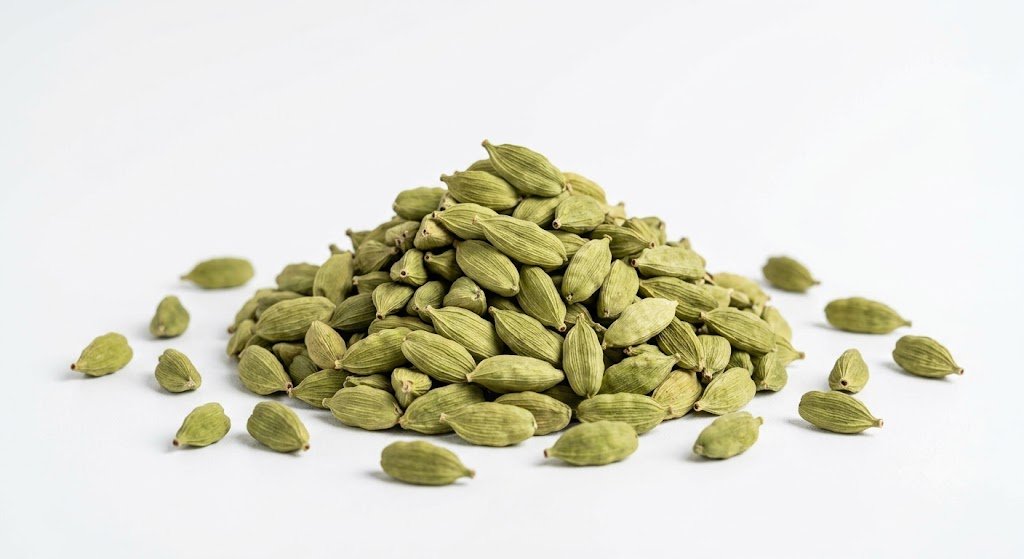

Cardamom is a highly nutrient-dense spice belonging to the ginger family (Zingiberaceae). Specifically, this large perennial plant is grown globally for its small, triangular seed pods containing highly aromatic dark seeds. This historic spice is widely celebrated as the “Queen of Spices” due to its complex aroma profile and immense therapeutic properties. Additionally, it features a beautifully complex, sweet, herbal, citrusy, and slightly minty flavor profile. For this reason, it has become a foundational culinary and functional food staple in many international markets.
Originally, the plant was native to the damp, tropical rainforests of the Western Ghats in Southwestern India. However, it was domesticated thousands of years ago during early agricultural trade eras. Later on, it spread rapidly across the globe through ancient maritime networks, Middle Eastern caravan routes, and European trade networks. Today, it is grown extensively across Guatemala, India, Tanzania, and Sri Lanka. Consequently, it is prized in comforting everyday curries, traditional Scandinavian baked goods, warming wellness teas, and modern digestive supplements.
Because it is packed with essential minerals, protective volatile oils, and a unique bioactive terpene called 1,8-cineole, this pod spice is highly valued. It offers incredible nutritional density alongside remarkable culinary versatility. Therefore, this comprehensive guide explores its history, nutritional profile, health benefits, traditional uses, cultivation methods, and practical ways to include it in your daily diet.
The History of Cardamom & Its Cultural Importance
This spice has a profound agricultural history rooted deeply in ancient royal luxury trade and holistic healing networks. Over time, it spread across the globe through continuous migration and trade.
Cardamom Through the Ages
- Ancient Ayurvedic Healing: Early human societies cultivated wild variants around 1500 BCE in South Asia. Specifically, this breakthrough provided a vital tool in traditional medical frameworks to balance internal metabolic fires and soothe respiratory discomfort.
- The Arabian Coffee Culture: Middle Eastern traders integrated the crushed pods deeply into traditional hospitality rituals centuries ago. Consequently, brewing the spice alongside dark roasted beans created Gahwa, a foundational beverage celebrating peace and community.
- The Scandinavian Connection: Historic Viking merchants encountered the exotic pods in Constantinople during the early Middle Ages. Therefore, they introduced it to Northern Europe, where it rapidly evolved into a primary baking spice for traditional festive breads.
- Modern Biochemical Validation: Global scientists isolated its primary active volatile components, including alpha-terpinyl acetate and limonene, in the late 20th century. As a result, it is heavily celebrated in contemporary gastroenterology research for shielding cellular tissue linings from intense digestive stress.
Botanical Description of Cardamom
Elettaria cardamomum belongs to the Zingiberaceae family. For instance, it is closely related to other vital functional roots like ginger, turmeric, and galangal.
Plant Characteristics
- Growth: It grows naturally as a large, clumping, evergreen perennial herbaceous plant. Usually, it reaches 2 to 4 meters in height and produces massive, reed-like green stalks from thick underground rhizomes.
- Leaves: The plant produces long, lanceolate, dark green leaves measuring 30 to 60 cm in length. In addition, these smooth leaves feature parallel veins and give off a clean, sweet fragrance when crushed.
- Flowers: It bears loose, elongated, trailing flowering stems that grow near the base of the plant. Typically, these stems display small, delicate white blossoms marked with striking violet or pink stripes.
- The Pod: It forms a small, smooth, oval, three-sided capsule measuring 1 to 2 cm in length. Furthermore, harvesting them green preserves a tough outer skin layer enclosing 15 to 20 small, sticky, intensely aromatic dark seeds.
Growing Conditions
This plant is a strict tropical rainforest understory crop. Therefore, it requires warm seasonal temperatures, uniform annual rainfall, and filter-dappled shade templates to develop maximum internal essential oil density.
- Ideal Temperature: It prefers warm growing climates between 18–35°C for optimal pod development. However, it is highly sensitive to intense, burning direct sunlight, dry seasonal droughts, and freezing soils.
- Soil Type: It thrives best in well-drained, loose organic loam rich in humic forest leaf debris. On the other hand, it cannot tolerate waterlogged roots or heavy, compacted wet clay beds.
- Propagation: It is regularly grown from structural rhizome divisions or high-quality seeds started in nursery beds. Specifically, keeping the soil damp is vital during the primary shooting phase.
- Harvesting Season: Farmers typically harvest the pods manually just before they fully ripen to yellow. Specifically, they clip the individual green capsules systematically over months before drying them in specialized curing chambers.
Nutritional Profile of Cardamom
This pod spice is naturally dense in unique gastrointestinal protecting elements. Furthermore, it contains high amounts of dietary fiber, essential iron, and protective minerals. As a result, it is a favorite among active individuals seeking to optimize their daily food tracking.
Nutrients (Per 100g Ground Whole Spice Serving)
| Nutrient | Amount | Health Benefits |
| Energy | 311 kcal | Natural source of concentrated, slow-releasing metabolic energy |
| Protein | 10.8g | Supplies basic structural plant building blocks for cells |
| Dietary Fiber | 28.0g | Massive fiber volume supporting exceptional digestive tracking |
| Manganese | 28.0mg | Massive mineral volume supporting optimal bone metabolism |
| Iron | 14.0mg | High mineral volume supporting healthy red blood cell production |
| Magnesium | 229mg | Supports deep muscle relaxation and nervous system health |
| Zinc | 7.5mg | Crucial trace mineral supporting robust immune cellular defense |
Note: The primary therapeutic compounds concentrate heavily within the internal dark seeds rather than the outer green hull. (Source: USDA FoodData Central)
Cardamom Benefits for Your Everyday Health
1. Promotes Elite Digestive Comfort
Packed with massive concentrations of active volatile oils, it directly stimulates the secretion of healthy gastric juices. Consequently, it assists the body in clearing uncomfortable post-meal bloating, cramps, and nausea efficiently.
2. Boosts Natural Detoxification
Features an exceptional ability to optimize metabolic fluid tracking. Because it acts as a mild natural diuretic, it helps the body flush away waste products through the urinary tract smoothly.
3. Supports Cardiovascular Wellness
Its natural active molecules work efficiently with protective cell enzymes. As a result, it assists the body in maintaining optimal blood circulation metrics and helps prevent blood lipid oxidation.
4. Enhances Oral Hygiene
The abundant matrix of active cineole compounds works closely with oral tissues. For example, it helps eliminate the specific bacteria responsible for bad breath and gum irritation naturally.
5. Enhances Meals Naturally
Brings a bright, sweet, citrus-herbal aroma, and unmistakable exotic depth to daily home cooking without introducing artificial synthetic additives.
Traditional & Modern Culinary Uses for Cardamom
1. Revitalizing Masala Chai Tea
First, crush two whole green cardamom pods, a slice of ginger, and a cinnamon stick. Then, simmer in two cups of boiling water for ten minutes before adding a splash of plant milk and raw honey.
2. Aromatic Rice and Grain Infusions
Dropping three lightly crushed whole pods straight into boiling brown rice or quinoa yields a beautiful baseline. As a result, you achieve an exotic, fragrant grain dish perfect for savory pairings.
3. Wholesome Whole Grain Baking
Stirring half a teaspoon of ground cardamom into your whole-grain bread or muffin batters allows the dough to absorb a beautiful, festive aroma and deep sweet-herbal taste.
4. Warming Vegetable Curries
Combining ground cardamom seeds with garlic, turmeric, cumin, and hot coconut oil creates an excellent paste that pairs beautifully with slow-simmered lentil stews.
How to Include Cardamom in Your Diet
- The Fresh Casing Rule: Always prioritize Whole Green Pods over pre-ground commercial powder; specifically, cardamom seeds lose their volatile oils incredibly fast once exposed to air, so cracking the pods right before cooking preserves maximum therapeutic value.
- Daily Fresh Breath Boost – Chew on the small dark seeds inside a single pod after heavy meals; specifically, this action instantly cleanses breath and stimulates digestive enzymes.
- Nutritious Smoothie Twists – Sprinkle a quarter teaspoon of freshly ground cardamom seeds straight into your morning fruit or green smoothies.
- Hearty Roasted Soups – Blend a pinch of ground cardamom into your roasted carrot or pumpkin soups to add a beautiful layer of complexity.
- Savory Dressing Whisks – Whisk ground cardamom with cold-pressed olive oil, fresh orange juice, and sea salt.
Side Effects & Precautions
While safe and highly beneficial for the general population in standard culinary amounts, certain precautions apply:
- Consuming enormous, highly concentrated therapeutic doses of isolated cardamom oil supplements may cause mild temporary digestive shifts or local skin changes in highly sensitive individuals.
- Therapeutic Guidance: Individuals managing active gallstone complications should enjoy the spice in normal culinary amounts rather than large therapeutic supplement extracts due to its ability to stimulate gallbladder activity.
- Always remove the outer green pod shells before grinding if you want a completely smooth flour blend, though the hulls can be saved to flavor brewing teas.
Ultimately, individuals seeking to maximize their daily health advantages must prioritize fresh-cracked whole green pods over stale pre-ground powders. (Source: Wikipedia: Cardamom)
Conclusion
In summary, Elettaria cardamomum is a nutrient-rich spice celebrated for its exceptional cineole profile, rapid digestive relief, and unparalleled culinary utility. From simple spiced teas to aromatic grain dishes and comforting curries, cardamom continues to reign as the queen of spices across the earth. Whether eaten as a fresh cracked seed or a vibrant ground powder, it delivers fantastic life-giving value to a balanced lifestyle.
Therefore, start introducing whole green cardamom pods into your weekly diet planning alongside target superfoods. Ultimately, you will enjoy its distinctively rich flavor and protective properties as part of a natural, healthy lifestyle.