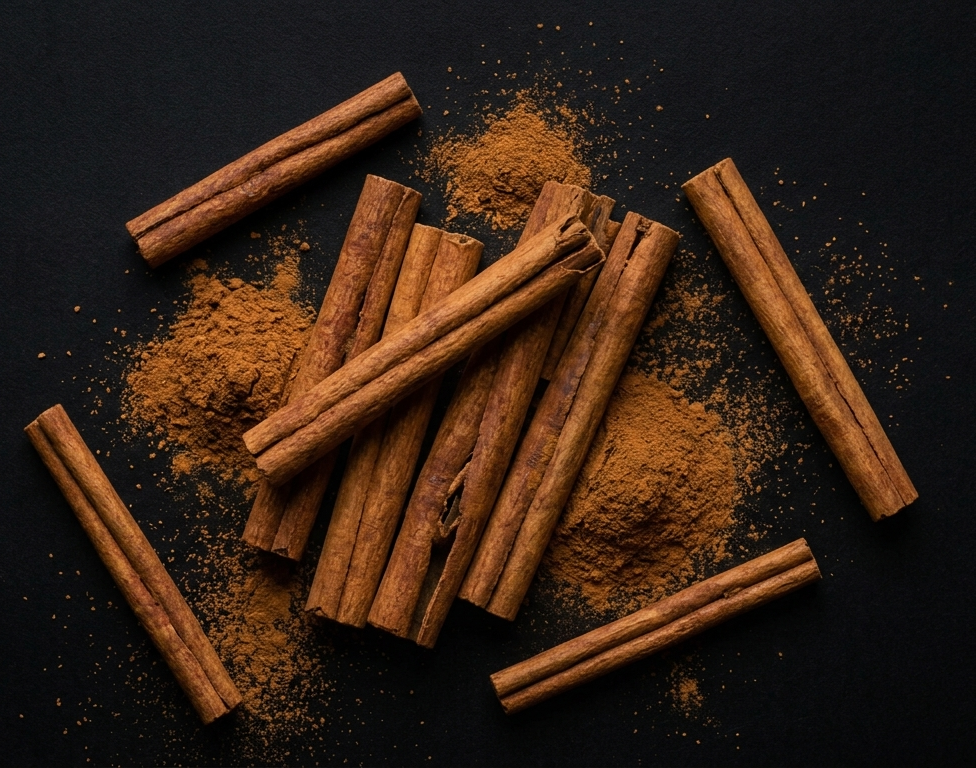
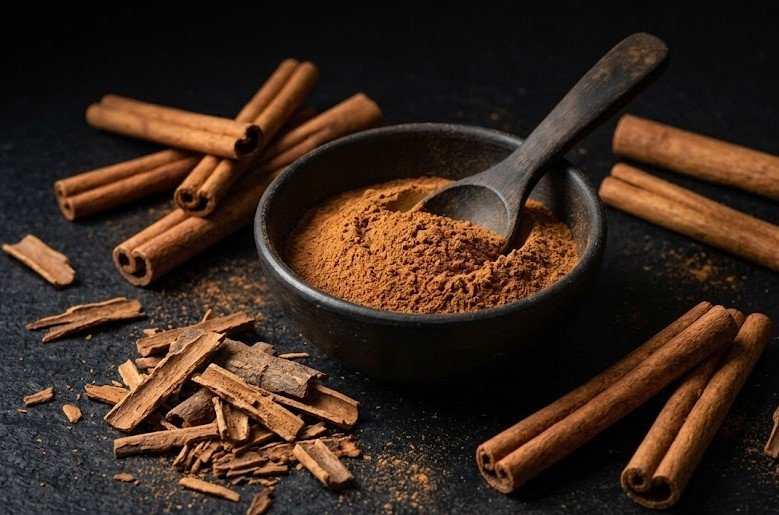

Cinnamon is a highly nutrient-dense spice belonging to the laurel family (Lauraceae). Specifically, this tropical evergreen tree is grown globally for its highly aromatic inner bark. This historic spice is widely celebrated for its remarkable ability to support healthy insulin metrics and optimize metabolic pathways. Additionally, it features a beautifully sweet, woody, and distinctly warm flavor profile. For this reason, it has become a foundational functional food staple in many international markets.
Originally, the plant was native to the island nation of Sri Lanka. However, it was domesticated thousands of years ago during early agricultural trade expansions. Later on, it spread rapidly across the globe through historic Egyptian, Roman, and Phoenician maritime trade routes. Today, it is grown extensively across Sri Lanka, Indonesia, China, and Vietnam. Consequently, it is prized in comforting breakfast porridges, aromatic spice blends, warming wellness teas, and modern therapeutic metabolic supplements.
Because it is packed with essential polyphenols, active volatile oils, and a unique compound called cinnamaldehyde, this bark spice is highly valued. It offers incredible nutritional density alongside remarkable culinary versatility. Therefore, this comprehensive guide explores its history, nutritional profile, health benefits, traditional uses, cultivation methods, and practical ways to include it in your daily diet safely.
The History of Cinnamon & Its Cultural Importance
This spice has a profound agricultural history rooted deeply in ancient royal trade network frameworks. Over time, it spread across the globe through continuous migration and trade.
Cinnamon Through the Ages
- Ancient Egyptian Rites: Early human societies imported the spice from distant lands as early as 2000 BCE. Specifically, embalmers highly valued its rich aromatic compounds and preservation qualities for sacred mummification rites.
- The Silk and Spice Roads: Mystical legends intentionally masked the true geographic origins of the bark for centuries. Consequently, secret trade monopolies allowed merchants to sell it to elite Roman aristocrats at astronomical price levels.
- Traditional Ayurvedic Practices: Ancient Eastern medical systems heavily integrated the warming properties of the inner bark. As a result, practitioners regularly utilized it to optimize sluggish circulatory systems and balance internal digestion.
- Modern Superfood Recognition: Global scientists highlighted its specific impacts on cellular glucose transporter pathways in the late 20th century. As a result, it is heavily celebrated in contemporary metabolic and longevity research fields.
Botanical Description of Cinnamon
Cinnamomum verum belongs to the Lauraceae family. For instance, it is closely related to other unique aromatic woody plants like bay leaves, camphor, and sassafras.
Plant Characteristics
- Growth: It grows naturally as a medium-sized, bushy, tropical evergreen tree. Usually, it reaches 10 to 15 meters in height if left unpruned, featuring smooth, thick bark.
- Leaves: The plant produces large, ovate, glossy green leaves. In addition, these leaves feature distinct parallel veins and give off a strong spicy fragrance when crushed.
- Flowers: It bears small, greenish-yellow blossoms arranged in loose clusters. Typically, these self-pollinating flowers give rise to small, dark purple berry fruits.
- The Bark: It forms a rough, dark outer layer on the main trunk structure. Furthermore, harvesting the delicate inner bark requires careful scraping and drying, which causes the bark to naturally roll into tight curls known as quills.
Growing Conditions
This plant is a tropical, coastal crop. Therefore, it requires warm seasonal temperatures, uniform annual rainfall, and rich, sandy soils to develop maximum essential oils.
- Ideal Temperature: It prefers warm growing climates between 25–32°C for optimal inner bark regeneration. However, it is highly sensitive to seasonal frosts and prolonged dry spells.
- Soil Type: It thrives best in deeply drained, loose sandy loam or silica-rich soils near coastal boundaries. On the other hand, it cannot tolerate waterlogged fields or heavy, compacted clay layers.
- Propagation: It is regularly grown from seeds or structural cuttings planted straight into nursery beds. Specifically, growers utilize a technique called coppicing to continually cut back stalks, encouraging dense shoots.
- Harvesting Season: Farmers typically harvest it during the seasonal monsoons when the bark slips off the wood easily. Specifically, they peel the tender inner layers immediately after cutting the shoots.
Nutritional Profile of Cinnamon
This bark spice is naturally dense in protective polyphenol compounds. Furthermore, it contains high amounts of dietary fiber, essential manganese, and active calcium tracking. As a result, it is a favorite among active individuals and families seeking metabolic wellness.
Nutrients (Per 100g Ground Whole Spice Serving)
| Nutrient | Amount | Health Benefits |
| Energy | 247 kcal | Natural source of slow-releasing metabolic energy |
| Protein | 4.0g | Supplies basic structural plant building blocks for cells |
| Dietary Fiber | 53.1g | Massive fiber volume supporting healthy gastrointestinal tracking |
| Manganese | 17.5mg | Massive mineral volume supporting optimal bone metabolism |
| Calcium | 1000mg | Crucial mineral for skeletal density and cellular signaling |
| Iron | 8.3mg | Essential mineral supporting healthy red blood cell production |
| Zinc | 1.8mg | Trace mineral supporting robust immune cell defense systems |
Note: The primary active organic compound, cinnamaldehyde, provides the distinct sweet-spicy aroma while driving its primary metabolic advantages. (Source: USDA FoodData Central)
Cinnamon Benefits for Your Everyday Health
1. Supports Stable Blood Sugar Management
Packed with massive concentrations of active polyphenols, it directly mimics insulin actions inside muscle cells. Consequently, it assists the body in clearing post-meal glucose spikes efficiently.
2. Provides Deep Antioxidant Defense
Features one of the highest ORAC (Oxygen Radical Absorbance Capacity) scores among all culinary spices. Because these compounds neutralize free radicals, they help shield vascular cells from premature aging.
3. Lowers Systemic Inflammation
Its natural cinnamaldehyde molecules work efficiently with cellular pathways. As a result, it assists the body in maintaining optimal, low-inflammatory markers in circulatory tissues.
4. Supports Cardiovascular Wellness
The abundant active compounds work closely with lipid tracking mechanisms. For example, it helps support healthy blood circulation metrics and arterial elasticity curves.
5. Enhances Meals Naturally
Brings a warm, sweet, comforting aroma, and rich satisfying depth to daily baking without requiring processed refined sugars.
Traditional & Modern Culinary Uses for Cinnamon
1. Soothing Spice Infusions
First, drop a single whole Ceylon quill into two cups of hot water. Then, simmer gently for ten minutes before adding a slice of fresh lemon for a clean morning beverage.
2. Wholesome Morning Oatmeal
Stirring half a teaspoon of the ground spice directly into cooking oats yields a beautiful aroma. As a result, you achieve a highly satisfying meal with naturally enhanced sweetness.
3. Hearty Roasted Root Vegetables
Combining the ground powder with cubed sweet potatoes, carrots, and a splash of olive oil creates a great blend. Consequently, baking them yields a beautifully carmelized side dish.
4. Aromatic Savory Stews
Dropping a whole quill straight into slow-simmered lentil stews allows the broth to absorb a subtle, exotic warmth that pairs beautifully with earthy pulses.
How to Include Cinnamon in Your Diet
- Daily Morning Boost – Dust a quarter teaspoon of ground cinnamon straight into your morning coffee or warm milk.
- The Ceylon Variety Rule – Always prioritize Ceylon Cinnamon over Cassia cinnamon for daily use; specifically, Ceylon contains negligible coumarin levels, making it safer for liver health.
- Metabolic Smoothies – Blend a half teaspoon of ground bark into your protein shakes to slow down carbohydrate absorption.
- Nutritious Fruit Topper – Sprinkle a light dusting over sliced crisp apples or fresh pears for a fast, fiber-dense snack.
- Warming Soup Base – Simmer a whole cinnamon stick inside your roasted pumpkin or butternut squash soups.
Side Effects & Precautions
While safe and highly beneficial for the general population, crucial variety distinctions apply:
- Coumarin Warning: Common commercial Cassia cinnamon contains notable amounts of coumarin, a compound that can cause liver strain in large doses. Therefore, regular consumers must switch to genuine Ceylon Cinnamon (true cinnamon) to avoid toxicity.
- Enormous therapeutic doses may interact with prescribed diabetes medications; consequently, individuals monitoring active blood sugar drops should coordinate with their physician.
- Inhaling the dry ground powder directly should be strictly avoided, as it can cause severe pulmonary irritation.
Ultimately, individuals seeking to maximize their daily health advantages must prioritize organic Ceylon varieties over common Cassia barks to protect their system. (Source: Wikipedia: Cinnamon)
Conclusion
In summary, Cinnamomum verum is a nutrient-rich spice celebrated for its exceptional polyphenol matrix, glucose management, and unparalleled culinary utility. From simple morning porridges to modern wellness teas and savory stews, cinnamon continues to reign as a vital foundational superfood across the earth. Whether eaten as a whole quill or a vibrant ground powder, it delivers fantastic life-giving value to a balanced lifestyle.
Therefore, start introducing authentic Ceylon cinnamon varieties into your weekly diet planning. Ultimately, you will enjoy its distinctively rich flavor and protective properties as part of a natural, healthy lifestyle.