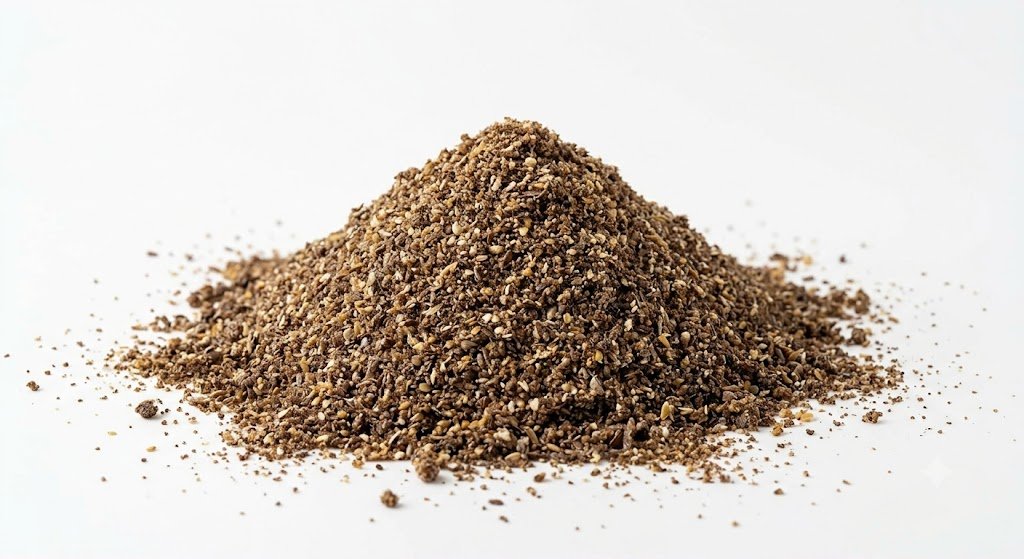
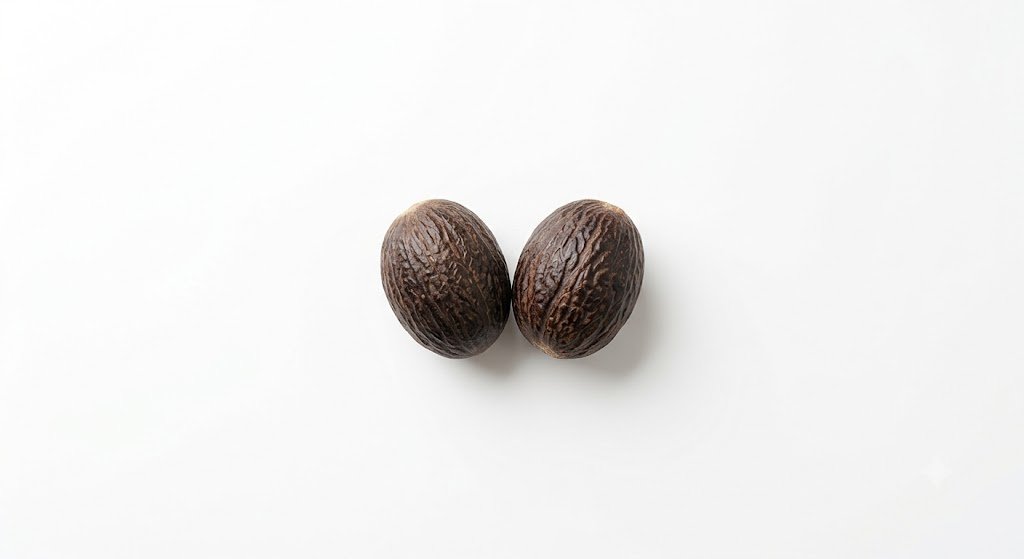

Nutmeg is a fragrant spice obtained from the seed of the evergreen Myristica fragrans tree, which belongs to the Myristicaceae family. People cherish this spice for its warm, sweet, and slightly nutty flavor. Furthermore, it has been valued for centuries in culinary traditions, wellness practices, and the global spice trade. Although the tree is natively grown in the Banda Islands of Indonesia, farmers now cultivate it in India, Sri Lanka, Grenada, and several other tropical regions. Cooks widely use it in desserts, baked goods, beverages, curries, and spice blends.
Packed with antioxidants, essential oils, dietary fiber, and beneficial plant compounds, this spice stands out for its distinctive aroma. This guide explores its history, nutritional profile, health benefits, traditional uses, cultivation methods, and practical ways to include it in your daily diet.
The History of Nutmeg and Its Cultural Importance
This spice has remained one of the world’s most prized commodities because it played a significant role in international trade for centuries.
Nutmeg in Ancient Traditions
-
Ancient Indonesia: The Banda Islands are the native home of this tree, and history historically knows them as the “Spice Islands.”
-
European Spice Trade: Europeans valued this spice heavily during the Middle Ages, often trading it for its weight in gold.
-
Indian Cuisine: Cooks use it frequently in spice blends, desserts, and festive recipes.
-
Traditional Wellness Practices: Healers incorporate it into culinary traditions across Asia and the Middle East.
Botanical Description of the Nutmeg Tree
Myristica fragrans belongs to the Myristicaceae family, and botanists classify it under the Myristica genus.
Plant Characteristics
-
Growth: It is an evergreen tree that reaches 10–20 meters in height.
-
Leaves: The plant features glossy, dark green, oval-shaped leaves.
-
Flowers: Small, pale yellow flowers produce a pleasant fragrance.
-
Fruit: Yellow, fleshy fruit splits open when mature to reveal a brown seed covered by a bright red aril known as mace.
Growing Conditions for Nutmeg
The tree thrives best in warm, humid tropical climates.
-
Ideal Temperature: Farmers look for 20–30°C for optimal growth.
-
Soil Type: Fertile, well-drained loamy soil rich in organic matter works best.
-
Propagation: Growers primarily propagate the plant from seeds.
-
Harvesting Season: Trees begin bearing fruit after 7–9 years, and farmers harvest mature fruits throughout the year in suitable climates.
Nutritional Profile of Nutmeg
Although people consume it in small quantities, it provides antioxidants, dietary fiber, and essential minerals.
Nutrients (Per 100g Serving)
| Nutrient | Amount | Health Benefits |
| Energy | 525 kcal | Provides energy |
| Dietary Fiber | 20.8g | Supports digestive health |
| Calcium | 184mg | Supports bone and teeth health |
| Iron | 3mg | Supports healthy blood formation |
| Magnesium | 183mg | Supports muscle and nerve function |
| Manganese | 2.9mg | Supports metabolism and bone health |
Note: People typically use this spice in very small culinary quantities. Consequently, its primary value comes from its aromatic essential oils and bioactive compounds rather than its calorie or nutrient contribution. (Source: USDA FoodData Central)
Health Benefits of Nutmeg
-
Provides Antioxidant Protection: It contains naturally occurring antioxidant compounds that protect cells from oxidative stress and support overall cellular health.
-
Supports Digestive Health: Cooks traditionally use it to enhance the flavor and digestibility of foods, and you can easily incorporate it into a balanced diet that supports digestive wellness.
-
Supports Heart Health: It contains beneficial plant compounds that contribute to cardiovascular wellness as part of a heart-conscious eating pattern.
-
Supports Bone Health: It provides calcium, magnesium, and manganese, which actively help maintain healthy bones and long-term skeletal wellness.
-
Supports Overall Wellness: Its aromatic compounds and essential nutrients make it a valuable addition to a nutritious diet.
-
Supports Relaxation: People traditionally use it in warm beverages and comforting recipes. Furthermore, you can enjoy it as part of a relaxing bedtime routine, though scientific evidence for specific clinical effects remains limited.
-
Enhances Flavor: It naturally adds warmth and sweetness to foods and beverages without added sugar, making it popular in both sweet and savory recipes.
Traditional Culinary Uses
-
Warm Milk: Add a small pinch of freshly grated seed to warm milk to create a fragrant bedtime beverage.
-
Baking: Bakers use it extensively in cakes, cookies, muffins, pies, and pastries.
-
Curries and Spice Blends: Chefs include it in garam masala, biryani masala, and rich gravies. [Learn more about Indian spice blends →] (internal link — replace with your own URL)
-
Soups and Sauces: It adds depth of flavor to creamy soups, white sauces, and vegetable dishes.
How to Include Nutmeg in Your Diet
-
Warm Milk: Add a pinch for flavor and aroma.
-
Desserts: Sprinkle it into cakes, cookies, custards, and puddings. [See our pumpkin spice recipes →] (internal link — replace with your own URL)
-
Curries and Gravies: Use it in spice blends and rich sauces.
-
Oatmeal and Smoothies: Enhance your breakfast dishes with a freshly grated pinch.
-
Baked Goods: Add it to breads, muffins, and festive recipes.
Side Effects and Precautions
While the spice remains generally safe when consumed in standard culinary amounts, excessive intake may cause:
-
Nausea or digestive discomfort
-
Dizziness, confusion, or drowsiness
-
Allergic reactions in rare cases
High doses can become toxic due to naturally occurring compounds such as myristicin; therefore, people should never consume large quantities intentionally. Pregnant or breastfeeding women, as well as individuals with specific medical conditions, must consult a healthcare professional before using it in medicinal amounts. (Source: Wikipedia: Myristicin)
Conclusion
Myristica fragrans is a fragrant and nutrient-rich spice celebrated for its warm flavor, aromatic essential oils, and culinary versatility. From enhancing desserts and baked goods to enriching curries, soups, and beverages, it has remained one of the world’s most cherished spices for centuries. Whether you grate it freshly into recipes or blend it into traditional spice mixes, it offers exceptional flavor and nutritional value as part of a balanced diet.
Start incorporating nutmeg into your favorite recipes today, and enjoy its comforting aroma and nutritional benefits as part of a healthy lifestyle.