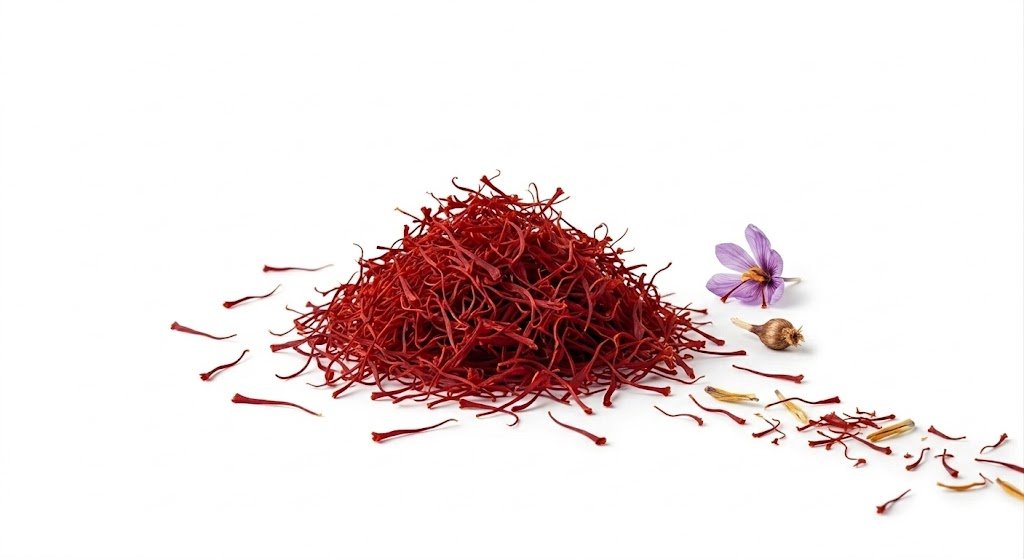

Saffron (Crocus sativus) is one of the world’s most valuable and prized spices, obtained from the dried red stigmas of the saffron crocus flower. Belonging to the iris family (Iridaceae), saffron is renowned for its vibrant golden color, delicate floral aroma, and distinctive flavor. Native to Southwest Asia and extensively cultivated in countries such as India (Kashmir), Iran, Spain, Greece, and Morocco, saffron has been treasured for centuries in culinary traditions, traditional wellness practices, and cultural ceremonies.
Packed with antioxidants, bioactive compounds, vitamins, and minerals, saffron is recognized for its culinary excellence and nutritional significance. This guide explores its history, nutritional profile, health benefits, traditional uses, cultivation methods, and practical ways to include it in your diet.
Historical Significance & Cultural Importance
Saffron has been one of the world’s most treasured spices for over 3,000 years and has held immense cultural, culinary, and economic value.
Saffron in Ancient Traditions
Ancient Persia: Widely used in royal cuisine, perfumes, and ceremonial practices.
Kashmiri Heritage: Cultivated for centuries and regarded as one of the finest saffron-producing regions in the world.
Greek & Roman Civilizations: Valued for its fragrance, color, and culinary importance.
Global Cuisine: Today, saffron remains a luxury spice used in premium dishes and desserts worldwide.
Botanical Description
Saffron belongs to the Iridaceae family and is classified under the Crocus genus.
Plant Characteristics
Growth: Small perennial flowering plant reaching 10–30 cm in height.
Leaves: Narrow, grass-like green leaves.
Flowers: Beautiful purple flowers with six petals.
Stigmas: Each flower produces three deep red stigmas, which are carefully hand-harvested and dried to produce saffron.
Cultivation & Growing Conditions
Saffron thrives in temperate climates with dry summers and cool winters.
Ideal Temperature: 15–25°C for optimal growth.
Soil Type: Well-drained sandy or loamy soil rich in organic matter.
Propagation: Grown from underground corms rather than seeds.
Harvesting Season: Flowers bloom in autumn, and the stigmas are hand-harvested early in the morning to preserve quality.
Nutritional Profile of Saffron
Although consumed in very small quantities, saffron contains beneficial plant compounds, antioxidants, vitamins, and minerals.
Nutrients in Saffron (Per 100g Serving)
| Nutrient | Amount | Health Benefits |
|---|---|---|
| Energy | 310 kcal | Provides energy |
| Dietary Fiber | 3.9g | Supports digestive health |
| Potassium | 1,724mg | Helps regulate blood pressure |
| Iron | 11.1mg | Supports healthy blood formation |
| Manganese | 28.4mg | Supports metabolism and bone health |
| Crocin & Safranal | Present | Bioactive compounds with antioxidant properties |
Note: Saffron is typically used in milligram quantities for cooking. Its primary nutritional value comes from bioactive compounds such as crocin, crocetin, and safranal rather than its calorie or mineral content.
Health Benefits of Saffron
1. Provides Antioxidant Protection
Saffron contains crocin, crocetin, safranal, and other antioxidant compounds.
These compounds help protect cells from oxidative stress.
2. Supports Mood and Emotional Well-Being
Saffron has been studied for its potential role in supporting mood as part of a healthy lifestyle.
It should not be considered a substitute for professional mental health care.
3. Supports Eye Health
Contains carotenoid compounds such as crocin that have been studied for supporting normal eye health.
Can be included as part of a nutrient-rich diet.
4. Supports Heart Health
Contains antioxidant compounds that contribute to cardiovascular wellness.
Can be incorporated into a heart-conscious eating pattern.
5. Supports Digestive Health
Traditionally used to enhance the flavor and aroma of foods while contributing beneficial plant compounds.
Can be part of a balanced diet.
6. Supports Overall Wellness
Its unique blend of antioxidants and aromatic compounds contributes to its long-standing nutritional and culinary value.
7. Enhances Flavor and Natural Color
Adds a rich golden color, delicate aroma, and refined flavor to a variety of dishes without artificial additives.
Traditional Uses of Saffron
1. Saffron Milk
Recipe: Soak a few saffron strands in warm milk before serving.
2. Rice Dishes
Usage: Added to biryanis, pulao, risotto, and paella for color and aroma.
3. Desserts
Recipe: Used in kheer, kulfi, ice cream, cakes, and traditional sweets.
4. Herbal Infusions
Usage: Steep a few saffron strands in warm water or tea for a fragrant beverage.
How to Include Saffron in Your Diet
Saffron Milk – Traditional warm beverage.
Rice Preparations – Add soaked saffron to biryani, pulao, or risotto.
Desserts – Enhance sweets, puddings, and baked goods.
Herbal Tea – Infuse a few strands in warm water or tea.
Smoothies – Blend a small amount into milk- or yogurt-based drinks.
Side Effects & Precautions
While saffron is generally safe when consumed in culinary amounts, excessive intake may cause:
- Digestive discomfort or nausea.
- Dizziness or headache in sensitive individuals.
- Allergic reactions in rare cases.
- High doses may be harmful and should not be consumed without medical supervision.
Pregnant or breastfeeding women and individuals taking medications should consult a healthcare professional before consuming saffron supplements or medicinal doses.
Conclusion
Saffron (Crocus sativus) is one of the world’s most treasured spices, celebrated for its vibrant color, delicate aroma, and exceptional culinary value. Rich in antioxidant compounds such as crocin and safranal, saffron contributes to overall wellness while enhancing the flavor and appearance of a wide range of dishes. Whether infused in milk, incorporated into rice dishes, desserts, or herbal beverages, saffron remains a symbol of luxury and quality in cuisines across the globe.
Start incorporating saffron into your favorite recipes and enjoy its exquisite flavor, natural color, and nutritional benefits as part of a healthy lifestyle.