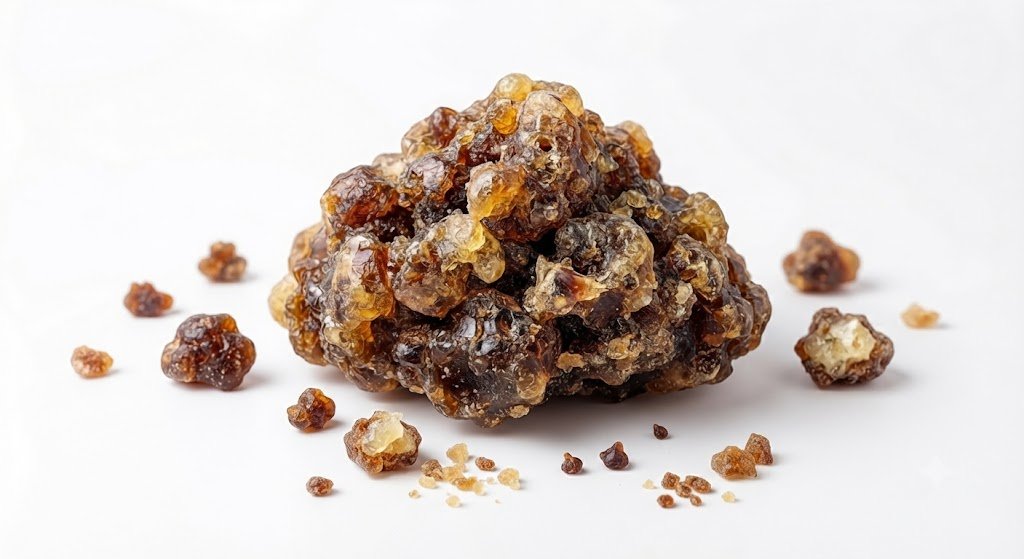

Asafoetida (Ferula assa-foetida), commonly known as Hing, is a pungent spice obtained from the dried latex of the roots of plants belonging to the Apiaceae family. Native to Iran, Afghanistan, and parts of Central Asia, asafoetida has been used for centuries as a culinary spice and traditional wellness ingredient. Although known for its strong aroma in its raw form, hing develops a rich, savory flavor when cooked, making it a popular seasoning in Indian, Middle Eastern, and Central Asian cuisines.
Rich in bioactive compounds, antioxidants, and aromatic resins, asafoetida is valued for its unique flavor and traditional culinary applications. This guide explores its history, nutritional profile, health benefits, traditional uses, cultivation, and practical ways to include it in your diet.
Historical Significance & Cultural Importance
Asafoetida has been prized for centuries as both a spice and a traditional wellness-supporting ingredient.
-
Persian and Central Asian Cultures: Used as a flavoring agent and valued in traditional food preparations.
-
Ayurvedic Practices: Incorporated into traditional Indian dietary systems for centuries.
-
Indian Cuisine: An essential ingredient in many vegetarian dishes, lentils, and spice tempering.
-
Traditional Households: Commonly used in recipes to enhance flavor and aroma.
Botanical Description
Asafoetida belongs to the Apiaceae family and is classified under the Ferula genus.
Plant Characteristics
-
Growth: Herbaceous perennial plant reaching 2–3 meters in height.
-
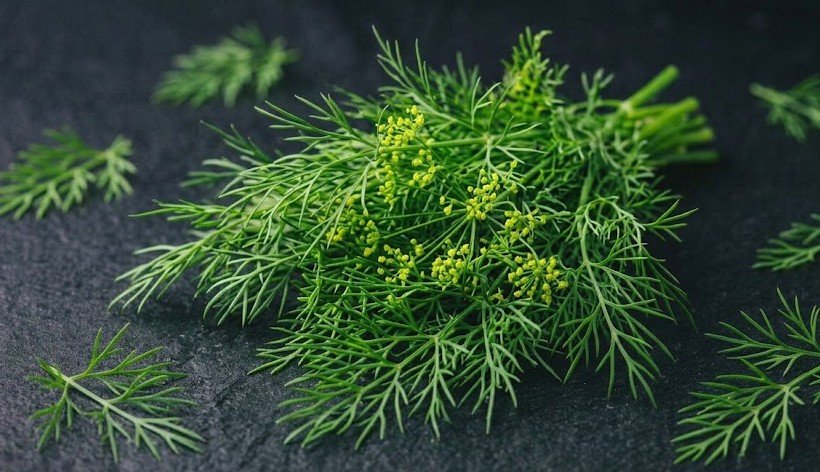
Leaves: Large, finely divided green leaves.
-
Flowers: Small yellow flowers arranged in umbrella-shaped clusters.
-
Resin: A dried gum resin obtained by making incisions in the roots and underground stems of mature plants.
Cultivation & Growing Conditions
Asafoetida grows naturally in dry, mountainous, and semi-arid regions.
-
Ideal Temperature: 15–30°C for optimal growth.
-
Soil Type: Well-drained sandy or loamy soil.
-
Propagation: Primarily grown from seeds.
-
Harvesting Season: Resin is collected from mature plants, typically after 4–5 years of growth.
Nutritional Profile of Asafoetida
Although used in small quantities, asafoetida contains beneficial plant compounds and trace minerals.
Nutrients (Per 100g Serving)
| Nutrient | Amount | Health Benefits |
| Energy | 297 kcal | Provides energy |
| Dietary Fiber | 4 g | Supports digestive health |
| Calcium | 690 mg | Supports bone and teeth health |
| Iron | 39 mg | Supports healthy blood formation |
| Potassium | 1,100 mg | Helps regulate blood pressure |
| Ferulic Acid & Resin Compounds | Present | Provide antioxidant properties |
Note: Asafoetida is typically consumed in very small amounts (often less than 1 gram per recipe), so its nutritional contribution comes primarily from its bioactive compounds and flavor rather than its macronutrient content.
Health Benefits
-
Supports Digestive Health: Asafoetida has traditionally been used to enhance the flavor and digestibility of meals and is commonly added to lentils and legumes in many cuisines.
-
Provides Antioxidant Protection: It contains naturally occurring antioxidant compounds that help protect cells from oxidative stress.
-
Supports Heart Health: It contains potassium and beneficial plant compounds that contribute to cardiovascular wellness as part of a balanced diet.
-
Supports Respiratory Wellness: It is traditionally used in various cultures as part of dietary practices that support respiratory comfort.
-
Enhances Flavor Naturally: It provides a rich umami-like flavor to dishes, making it especially popular in vegetarian cooking while helping reduce the need for excessive salt in some recipes.
Traditional Uses
-
Tempering (Tadka): Added to hot oil or ghee before cooking lentils, curries, and vegetables.
-
Lentil Dishes: Used in dals and legumes to enhance flavor and aroma.
-
Pickles: Included in traditional pickle recipes for flavor.
-
Spice Blends: Added to homemade spice mixes and seasoning powders.
How to Include Asafoetida in Your Diet
-
Tempering (Tadka): Add a pinch to hot oil or ghee before cooking.
-
Lentils and Beans: Enhances flavor in dals and legumes.
-
Vegetable Curries: Complements root vegetables and leafy greens.
-
Pickles & Spice Mixes: Adds a distinctive aroma and blends seamlessly into homemade masalas.
Side Effects & Precautions
While asafoetida is generally safe when used as a culinary spice, excessive consumption may cause:
-
Digestive discomfort or stomach irritation.
-
Heartburn in sensitive individuals.
-
Allergic reactions in rare cases.
-
Possible interactions with blood-thinning medications when consumed in large amounts.
-
Pregnant or breastfeeding women and individuals with specific medical conditions should consult a healthcare professional before using asafoetida in medicinal quantities.
Asafoetida (Ferula assa-foetida), commonly known as Hing, is a distinctive aromatic spice valued for its rich flavor and traditional culinary importance. Start incorporating a pinch of asafoetida into your cooking and enjoy its unique flavor and culinary benefits as part of a balanced and healthy diet.