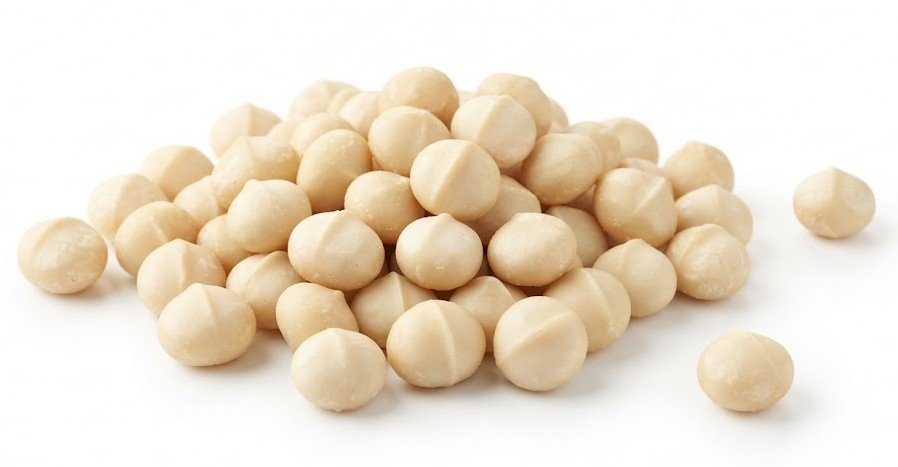


Almond (Prunus dulcis) is a nutrient-rich tree nut belonging to the rose family (Rosaceae). Renowned for its mild flavor, crunchy texture, and impressive nutritional profile, almonds are among the most popular nuts consumed worldwide. Native to the Middle East and Central Asia, almonds are now cultivated extensively in countries such as the United States, Spain, Australia, and India. They are valued for their healthy fats, protein, fiber, vitamins, minerals, and antioxidant compounds.
Packed with heart-healthy fats, plant-based protein, dietary fiber, and essential nutrients, almonds are recognized for their role in supporting overall health and wellness. This guide explores their history, nutritional profile, health benefits, traditional uses, cultivation methods, and practical ways to include them in your diet.
Historical Significance & Cultural Importance
Almonds have been cultivated for thousands of years and have held cultural, nutritional, and economic importance across civilizations.
Almond in Ancient Traditions
Middle Eastern Origins: Among the earliest domesticated nut crops, cultivated for over 4,000 years.
Ancient Mediterranean Civilizations: Widely consumed by Greeks and Romans as a nutritious food source.
Indian Traditions: Often soaked and consumed as part of daily diets and festive preparations.
Modern Nutrition: Recognized globally as a nutrient-dense snack and ingredient.
Botanical Description
Almonds belong to the Rosaceae family and are classified under the Prunus genus.
Plant Characteristics
Growth: Small deciduous tree reaching 4–10 meters in height.
Leaves: Long, narrow green leaves with serrated edges.
Flowers: Fragrant white or pale pink blossoms that appear before the leaves.
Fruit: A drupe with a leathery outer hull that encloses the hard shell and edible almond kernel.
Cultivation & Growing Conditions
Almond trees thrive in regions with warm, dry summers and mild winters.
Ideal Temperature: 15–30°C for optimal growth.
Soil Type: Well-drained sandy or loamy soil with good fertility.
Propagation: Usually grown through grafted saplings.
Harvesting Season: Typically harvested from late summer to early autumn when the outer hull splits open.
Nutritional Profile of Almond
Almonds are highly nutritious and provide healthy fats, protein, fiber, vitamins, and minerals.
Nutrients in Almond (Per 100g Serving)
| Nutrient | Amount | Health Benefits |
|---|---|---|
| Energy | 579 kcal | Provides sustained energy |
| Protein | 21.2g | Supports muscle growth and repair |
| Dietary Fiber | 12.5g | Supports digestive health |
| Vitamin E | 25.6mg | Provides antioxidant protection |
| Magnesium | 270mg | Supports muscle and nerve function |
| Calcium | 269mg | Supports bone and teeth health |
Health Benefits of Almond
1. Supports Heart Health
Almonds are rich in monounsaturated fats that support cardiovascular wellness.
Can be included as part of a heart-conscious diet.
2. Provides Antioxidant Protection
A rich source of vitamin E and other antioxidant compounds.
These nutrients help protect cells from oxidative stress.
3. Supports Digestive Health
Contains dietary fiber that promotes healthy digestion.
Supports gut health and regular bowel movements.
4. Supports Healthy Weight Management
The combination of protein, healthy fats, and fiber promotes satiety.
May help reduce hunger between meals.
5. Supports Bone Health
Provides calcium, magnesium, and phosphorus.
These minerals contribute to maintaining strong bones and teeth.
6. Supports Muscle and Nerve Function
Rich in magnesium, which plays a role in muscle contraction and nerve signaling.
Supports overall physical function.
7. Supports Healthy Skin
Vitamin E helps protect skin cells from oxidative stress.
Contributes to maintaining healthy skin as part of a balanced diet.
Traditional Uses of Almond
1. Soaked Almonds
Usage: Consumed after soaking overnight as part of traditional diets.
2. Almond Milk
Recipe: Blend soaked almonds with water and strain to prepare a plant-based beverage.
3. Almond Paste
Usage: Used in desserts, confectionery, and baked goods.
4. Almond Oil
Usage: Used in cooking, skincare, and traditional wellness practices.
How to Include Almond in Your Diet
Raw Almonds – Nutritious snack option.
Soaked Almonds – Popular breakfast addition.
Almond Milk – Dairy-free beverage alternative.
Smoothies and Yogurt – Add almonds for extra nutrition and texture.
Baked Goods – Use in cakes, cookies, and energy bars.
Side Effects & Precautions
While almonds are generally safe for most people, excessive consumption may cause:
- Digestive discomfort or bloating in sensitive individuals.
- Increased calorie intake due to their high energy density.
- Allergic reactions in individuals with tree nut allergies.
- Potential interactions with specific dietary restrictions requiring medical supervision.
Individuals with nut allergies should avoid almonds and seek medical advice.
Conclusion
Almond (Prunus dulcis) is a nutrient-dense tree nut that provides healthy fats, protein, dietary fiber, vitamins, minerals, and antioxidants. From supporting heart health and digestive wellness to contributing to bone strength and skin health, almonds offer numerous nutritional benefits. Whether consumed raw, soaked, blended into milk, or incorporated into recipes, almonds remain one of the most versatile and nutritious foods available.
Start incorporating almonds into your daily routine and enjoy their rich flavor and nutritional benefits as part of a healthy lifestyle.