
Dates (Phoenix dactylifera), also spelled date fruits, are nutrient-rich harvests. People celebrate dates for their natural sweetness, impressive nutritional value, medicinal significance, and cultural importance. Native to the Middle East and North Africa, date palms have been cultivated for over 6,000 years, making them one of the oldest fruit crops in human history. Today, these agricultural items are widely grown in countries such as Saudi Arabia, the United Arab Emirates, Egypt, Iran, Algeria, Tunisia, Iraq, and India.
Rich in dietary fiber, natural sugars, antioxidants, vitamins, and essential minerals, this produce is widely recognized for supporting energy levels, digestive health, heart health, bone strength, and overall wellness. This guide explores the history of the crop, its nutritional profile, health benefits, medicinal uses, cultivation, and delicious ways to enjoy the fruit.
Historical Significance & Cultural Importance of Dates
The fruit has played a vital role in the history, religion, and daily life of many civilizations, symbolizing prosperity, hospitality, nourishment, and abundance.
-
Mesopotamian Civilization: Date palms ranked among the earliest cultivated fruit trees and were valued as an essential source of nutrition.
-
Ancient Egypt: People consumed the produce both fresh and dried, and also used dates to prepare sweet beverages and baked foods.
-
Islamic Tradition: The harvest holds great religious significance and people traditionally eat dates to break the fast during Ramadan.
-
Indian Ayurveda: Traditional practitioners have valued the food as a nourishing fruit and included it in various wellness practices.
Botanical Description of Date Palms
The plant belongs to the Arecaceae family and is scientifically classified as Phoenix dactylifera.
Plant Characteristics of Dates
-
Growth: It is a tall palm tree reaching approximately 15–25 meters in height.
-
Leaves: The species features long, feather-like green fronds measuring up to 5 meters in length.
-
Flowers: Small cream-colored blooms grow in dense clusters.
-
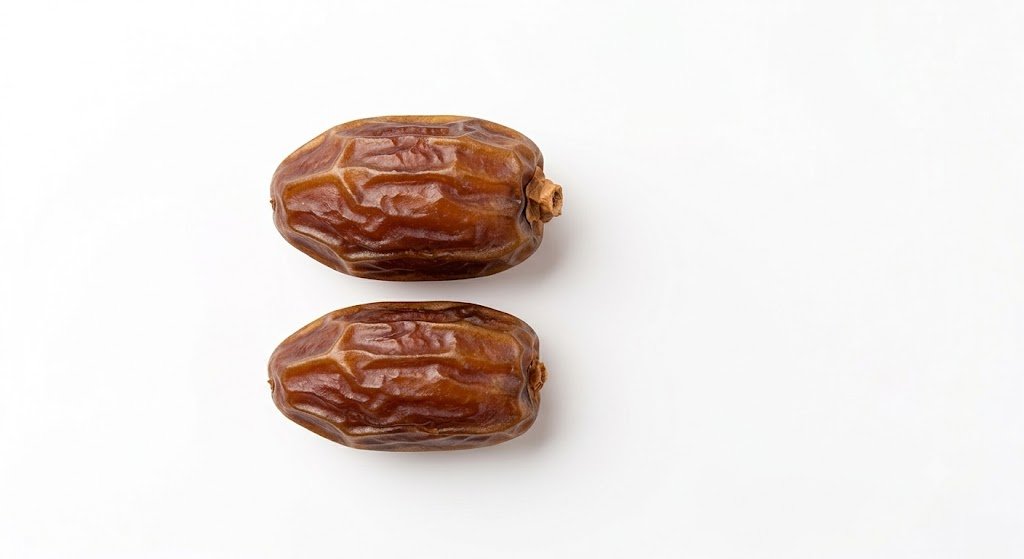
Fruit: The oval-shaped form features smooth skin that changes from yellow or red to golden brown or dark brown when fully ripe, enclosing a single elongated seed.
Cultivation & Growing Conditions
The crop thrives best in hot, arid climates with abundant sunshine and minimal rainfall.
-
Ideal Temperature: Farmers look for 25–40°C for optimal growth and fruit production.
-
Soil Type: Well-drained sandy or loamy soil with good moisture management works best.
-
Propagation: Growers commonly propagate dates through offshoots or tissue culture to preserve fruit quality.
-
Harvesting Season: Workers typically gather the produce from August to October, depending on the variety and growing region.
Nutritional Profile
Naturally rich in carbohydrates, dietary fiber, vitamins, minerals, and antioxidants, the item provides a dense energy source.
Nutrients (Per 100g Serving)
| Nutrient | Amount | Health Benefits |
| Calories | 277 kcal | Provides natural energy |
| Dietary Fiber | 6.7 g | Supports digestive health |
| Potassium | 696 mg | Supports heart and muscle function |
| Magnesium | 54 mg | Supports muscle and nerve function |
| Iron | 0.9 mg | Supports normal oxygen transport |
| Vitamin B6 | 0.2 mg | Supports brain and nervous system function |
| Natural Sugars | High | Provides quick energy |
Health Benefits of Dates
-
Provides Natural Energy: Naturally rich in glucose, fructose, and sucrose, dates make an excellent snack before or after physical activity to help replenish energy quickly.
-
Supports Digestive Health: High dietary fiber promotes regular bowel movements, maintains a healthy digestive system, and contributes to gut health as part of a balanced diet.
-
Promotes Heart Health: Potassium supports normal blood pressure regulation, fiber contributes to heart-healthy eating habits, and antioxidants help protect cells from oxidative stress.
-
Supports Bone Health: The harvest contains minerals such as magnesium, phosphorus, and calcium that contribute to healthy bones and overall skeletal health when included in a balanced diet.
-
Supports Brain Health: The fruit provides vitamin B6, which supports normal nervous system function, along with antioxidants that protect cells from oxidative stress.
Medicinal & Culinary Uses
-
Energy Smoothie: Blend 4–5 seedless portions with milk, banana, almonds, and oats for a naturally sweet energy drink.
-
Stuffed Snacks: Fill dates with almonds, walnuts, pistachios, or peanut butter for a healthy snack.
-
Nut Balls: Blend the produce with mixed nuts and seeds, then roll them into bite-sized energy balls.
-
Natural Syrup: Simmer the fruit in water until soft, blend, strain, and use date syrup as a natural sweetener in beverages and desserts.
Scientific Research
Several scientific studies highlight the value of this tropical produce:
-
The food is rich in dietary fiber, which supports digestive health.
-
It contains polyphenols and other antioxidants that help protect cells from oxidative stress.
-
It provides potassium, magnesium, and other essential nutrients that contribute to overall nutritional intake.
How to Include the Harvest in Your Diet
-
Fresh or Dried: Enjoy dates as a naturally sweet snack or convenient energy-rich food.
-
Smoothies & Bowls: Blend with milk, bananas, or yogurt, or add chopped pieces to oatmeal and cereals.
-
Desserts & Spreads: Use dates in cakes, cookies, puddings, energy bars, or blend into date paste and syrup for healthier recipes.
Side Effects & Precautions
While safe for most people, excessive consumption of dates may cause:
-
Increased calorie and natural sugar intake.
-
Mild digestive discomfort if consumed in very large quantities.
-
Individuals managing diabetes should monitor portion sizes as part of their overall carbohydrate intake.
-
Sticky sugars from dates may contribute to dental plaque if good oral hygiene is not maintained.
Enjoy this nutritious and energy-rich food as part of a balanced diet to support energy production, digestion, heart health, bone health, and overall wellness.