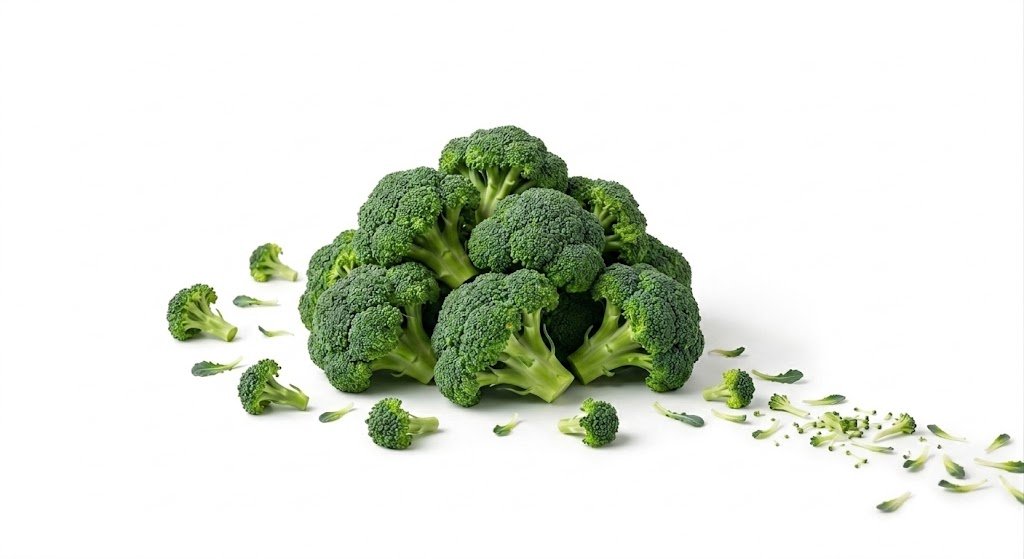

Broccoli is a nutrient-dense vegetable belonging to the cabbage family (Brassicaceae), grown for its edible flower heads, stalk, and leaves. Known for its mild, slightly bitter flavor and firm, tree-like structure, this vegetable has become a staple in kitchens worldwide. Native to the Mediterranean region, it descends from wild cabbage and was cultivated by the Romans over 2,000 years ago. Today it’s grown across Europe, North America, and Asia, and is prized in stir-fries, salads, soups, and side dishes.
Packed with vitamins, minerals, dietary fiber, and beneficial plant compounds, this cruciferous vegetable is valued for both its nutritional density and its culinary versatility. This guide explores its history, nutritional profile, health benefits, traditional uses, cultivation methods, and practical ways to include it in your diet.
The History of Broccoli & Its Cultural Importance
This vegetable has a long agricultural history rooted in the Mediterranean and later spread across the globe through migration and trade.
Broccoli Through the Ages
- Ancient Rome: Cultivated from wild cabbage by Roman farmers, who prized it as a delicacy.
- Italian Cuisine: Remained a regional specialty in Italy for centuries before spreading elsewhere in Europe.
- American Introduction: Brought to the United States by Italian immigrants in the early 20th century.
- Modern Popularity: Now one of the most widely consumed vegetables globally, valued for its nutrition and versatility.
Botanical Description
Brassica oleracea var. italica belongs to the Brassicaceae (mustard) family and is closely related to cauliflower, cabbage, and Brussels sprouts.
Plant Characteristics
- Growth: Cool-season annual reaching 60–90 cm in height.
- Leaves: Large, blue-green, lobed leaves surrounding a central stalk.
- Flower Head: Dense, tree-shaped cluster of tightly packed unopened flower buds, typically deep green in color.
- Stalk: Thick, edible stem that supports the flower head and is often cooked alongside it.
Growing Conditions
This vegetable is a cool-season crop that prefers moderate temperatures over intense heat.
- Ideal Temperature: 18–23°C for optimal head formation.
- Soil Type: Fertile, well-drained soil rich in organic matter, with a slightly acidic to neutral pH.
- Propagation: Grown from seed, typically started indoors and transplanted as seedlings.
- Harvesting Season: Ready to harvest 60–90 days after transplanting, before the flower buds open into yellow flowers.
Nutritional Profile of Broccoli
This vegetable is low in calories yet dense in vitamins, minerals, and fiber, making it a favorite among nutrition-conscious eaters.
Nutrients (Per 100g Raw Serving)
| Nutrient | Amount | Health Benefits |
|---|---|---|
| Energy | 34 kcal | Low-calorie source of energy |
| Protein | 2.8g | Supports tissue repair and growth |
| Dietary Fiber | 2.6g | Supports digestive health |
| Vitamin C | 89.2mg | Supports immune function and skin health |
| Vitamin K | 101.6µg | Supports bone health and blood clotting |
| Potassium | 316mg | Supports heart and muscle function |
| Calcium | 47mg | Supports bone and teeth health |
| Iron | 0.73mg | Supports healthy blood formation |
Note: Nutrient values vary slightly depending on growing conditions, freshness, and cooking method. (Source: USDA FoodData Central)
Health Benefits of Broccoli
1. Provides Antioxidant Protection Contains sulforaphane and other plant compounds that help protect cells from oxidative stress and support overall cellular health.
2. Supports Immune Function Its high vitamin C content contributes to a well-functioning immune system.
3. Supports Heart Health Contains fiber, potassium, and antioxidant compounds that contribute to cardiovascular wellness as part of a heart-conscious eating pattern.
4. Supports Bone Health Provides vitamin K and calcium that contribute to maintaining healthy bones and long-term skeletal wellness.
5. Supports Digestive Health Its fiber content helps support regular digestion and a healthy gut as part of a balanced diet.
6. Supports Healthy Blood Sugar Levels Its combination of fiber and low glycemic impact makes it a suitable addition to blood-sugar-conscious eating patterns.
7. Enhances Meals Naturally Adds texture, color, and mild flavor to a wide range of dishes without added fat or sugar.
Traditional & Modern Culinary Uses
1. Steamed or Blanched Lightly steaming preserves texture and nutrients, making it a simple side dish.
2. Stir-Fries Common in Asian-inspired cooking, paired with garlic, ginger, and soy-based sauces.
3. Soups and Purees Blended into creamy soups or purees for a nutrient-dense base.
4. Roasted Roasting with olive oil and seasoning brings out a deeper, slightly nutty flavor.
How to Include Broccoli in Your Diet
- Steamed Side Dish – Lightly steam and season with lemon and olive oil.
- Stir-Fries – Combine with other vegetables and a savory sauce.
- Salads – Add raw or blanched florets for crunch and nutrition.
- Soups and Purees – Blend into a creamy, nutrient-rich soup base.
- Roasted Dishes – Roast with garlic, olive oil, and a pinch of salt for a caramelized side.
Side Effects & Precautions
While generally safe and beneficial for most people when consumed in normal dietary amounts, this vegetable may cause:
- Bloating or gas, especially when eaten raw in large quantities
- Digestive discomfort in individuals sensitive to cruciferous vegetables
- Interference with certain thyroid medications due to its goitrogenic compounds if consumed in very large amounts
Individuals on blood-thinning medication should be mindful of its vitamin K content, as it can affect medication that relies on stable vitamin K intake, and should consult a healthcare professional if unsure. (Source: Wikipedia: Broccoli)
Conclusion
Brassica oleracea var. italica is a nutrient-rich vegetable celebrated for its mild flavor, dense nutritional profile, and culinary versatility. From simple steamed side dishes to vibrant stir-fries, soups, and roasted preparations, broccoli has become one of the most widely enjoyed vegetables in the world. Whether eaten raw, cooked, or blended into a dish, it offers exceptional nutritional value as part of a balanced diet.
Start incorporating broccoli into your favorite recipes and enjoy its versatility and nutritional benefits as part of a healthy lifestyle.