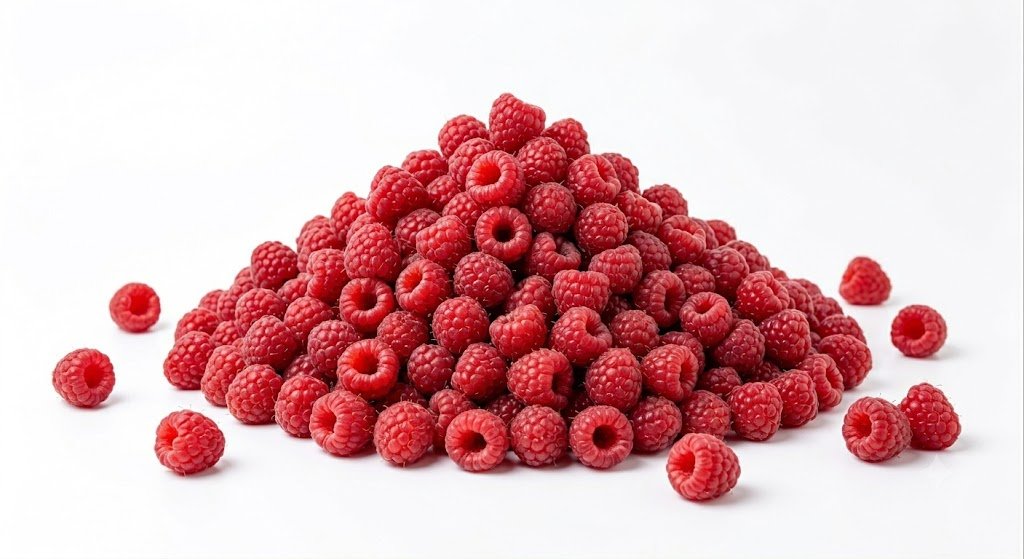

Raspberry is a highly nutrient-dense fruit belonging to the rose family (Rosaceae). Specifically, it is grown globally for its delicate, hollow, clustered aggregate berries. This unique fruit is widely celebrated for its striking crimson color and velvety texture. Additionally, it features a beautifully balanced sweet and distinctly tart flavor profile. For this reason, it has become a major superfood favorite in many international markets.
Originally, the fruit was native to Europe and northern Asia. However, it was domesticated centuries ago by early monastic communities. Later on, it spread rapidly across the globe through intentional agricultural selection and modern greenhouse breeding. Today, it is grown extensively across Europe, North America, and parts of Asia. Consequently, it is prized in morning porridge bowls, fresh parfaits, raw desserts, and healthy smoothies.
Because it is packed with vitamins, minerals, an exceptionally high volume of dietary fiber, and unique plant compounds, this aggregate fruit is highly valued by nutritionists. It offers incredible nutritional density alongside remarkable culinary versatility. Therefore, this comprehensive guide explores its history, nutritional profile, health benefits, traditional uses, cultivation methods, and practical ways to include it in your daily diet.
The History of Raspberry & Its Cultural Importance
This fruit has a legendary history rooted deeply in the ancient wild woodlands of Europe. Over time, it spread across the globe through continuous migration and trade.
Raspberry Through the Ages
- Ancient Wild Gathering: Early Greek and Roman populations gathered wild varieties from mountain slopes early on. Specifically, they valued the plant for its medicinal properties and refreshing fruit juices.
- Monastic Cultivation: Medieval monks successfully began domesticating the wild plants during the 4th century. Consequently, distinct garden cultivars began to emerge across Europe.
- Global Expansion: European colonists introduced their favored berry varieties to North America in the late 18th century. Therefore, it crossed with native wild variations to create robust commercial hybrids.
- Modern Superfood Status: The plant evolved into one of the most celebrated dietary functional foods globally. As a result, it is heavily featured in metabolic health and anti-inflammatory research.
Botanical Description of Raspberry
Rubus idaeus belongs to the Rosaceae family. For instance, it is closely related to other prized bramble fruits like blackberries, loganberries, and cloudberries.
Plant Characteristics
- Growth: It grows naturally as a perennial shrub characterized by biennial woody stems known as canes. Usually, these canes reach 1.5 to 2.5 meters in height and feature small, protective prickles.
- Leaves: The shrub produces compound green leaves featuring three to five distinctively wrinkled, oval leaflets. In addition, these leaves display a pale, silvery underside texture.
- Flowers: It bears clusters of small, white, inconspicuous flowers in the late spring. Typically, these blossoms rely heavily on wild honeybees for successful cross-pollination.
- The Fruit: It forms an aggregate fruit composed of numerous small, juicy drupelets clustered around a central core. Furthermore, when picked, the fruit detaches from its receptacle, leaving a completely hollow central cavity.
Growing Conditions
This fruit is a temperate crop. Therefore, it requires cool summer growing seasons and a distinct winter chilling period to set high-quality fruit.
- Ideal Temperature: It prefers moderate summer climates between 18–25°C for sweet ripening. However, it requires hundreds of winter chilling hours below 7°C to break plant dormancy.
- Soil Type: It thrives best in well-drained, deep loamy soil rich in organic matter. On the other hand, it cannot tolerate waterlogged roots or heavy, compacted clay.
- Propagation: It is regularly propagated through root cuttings or by separating natural suckers from established parent plants. Nevertheless, modern tissue culture is also widely used in commercial nurseries.
- Harvesting Season: Farmers typically harvest it during the summer and early autumn months. Specifically, they pick the fragile berries by hand when they slide off the central core effortlessly.
Nutritional Profile of Raspberry
This fruit is naturally exceptionally low in calories. Furthermore, it contains massive amounts of Dietary Fiber, Vitamin C, and protective antioxidant polyphenols. As a result, it is a favorite among low-glycemic snackers and digestive health seekers.
Nutrients (Per 100g Raw Serving)
| Nutrient | Amount | Health Benefits |
| Energy | 52 kcal | Low-calorie source of clean, carbohydrate cellular energy |
| Protein | 1.2g | Supplies foundational plant protein building blocks |
| Dietary Fiber | 6.5g | Exceptional fiber volume supporting healthy digestion tracking |
| Vitamin C | 26.2mg | Robust antioxidant source supporting systemic immunity |
| Vitamin K | 7.8µg | Supports proper blood clotting mechanics and bone metabolism |
| Folate (B9) | 21.0µg | Vital for proper DNA structure and healthy cell division |
| Manganese | 0.6mg | Assists in bone formation and carbohydrate metabolism |
| Water Content | 85.7g | Provides natural, refreshing structured cellular hydration |
Note: With an incredible 6.5 grams of fiber per serving, this berry ranks as one of the single highest fiber-dense whole foods available in nature. (Source: USDA FoodData Central)
Raspberry Benefits for Your Everyday Health
1. Promotes Ultimate Digestive Health
Boasting one of the highest dietary fiber profiles in the fruit kingdom, it actively encourages consistent bowel motility and provides superb prebiotic nourishment for helpful gut microbes.
2. Provides Deep Antioxidant Defense
Packed with immense concentrations of ellagitannins and anthocyanins, it actively shields delicate cellular structures from systemic oxidative stress.
3. Supports Stable Blood Sugar Management
Features a remarkably low glycemic index rating alongside high fiber content. Consequently, it assists the body in managing steady post-meal glucose curves and optimizing insulin sensitivity.
4. Supports Cardiovascular Wellness
Its unique plant pigments work efficiently to suppress low-grade inflammation in blood vessels. As a result, it assists the body in maintaining optimal, healthy blood pressure curves.
5. Supports Healthy Weight Management
The powerful combination of low caloric density and high volumetric fiber slows down digestion safely, keeping you feeling full and satisfied naturally.
6. Supports Immune Function
Providing a robust dose of Vitamin C per serving, it actively stimulates white blood cell activity to defend against environmental stress.
7. Enhances Meals Naturally
Brings a vibrant burst of brilliant red color, an exquisite velvety texture, and a pleasant tart contrast to daily breakfast bowls.
Traditional & Modern Culinary Uses for Raspberry
1. Fresh Raw Enjoyment
First, rinse the fragile fresh berries very gently under a slow stream of cool water. Then, enjoy them whole to fully appreciate their juicy structure and hollow shape.
2. Wholesome Breakfast Toppings
Stirring fresh berries directly into warm morning oatmeal, cold Greek yogurt, or chia seed puddings adds an immediate punch of tart flavor and natural color.
3. Nutrient-Dense Smoothies
Blending a cup of frozen raspberries with spinach, half a banana, and a plant-based milk base yields a beautifully rich, pink beverage packed with fiber.
4. Fresh Coulis and Purees
Mashing the raw berries with a small splash of lemon juice creates a vibrant, naturally tart coulis perfect for drizzling over clean desserts.
How to Include Raspberry in Your Diet
- Fresh Berry Snacking – Keep a container of chilled berries in the refrigerator for a quick, fiber-rich afternoon snack.
- Vibrant Fruit Salad – Mix red raspberries with fresh blueberries, blackberries, and chopped mint leaves.
- Superfood Morning Oats – Fold a handful of fresh fruit directly into your warm porridge during the final minute of cooking.
- High-Fiber Green Smoothie – Blend with fresh kale, half an avocado, and cold almond milk.
- Nutritious Trail Mix – Toss freeze-dried raspberries with raw pumpkin seeds, walnuts, and dark chocolate chips.
Side Effects & Precautions
While generally safe and highly beneficial for most people, certain precautions apply:
- Mild temporary digestive shifts or gas may manifest if massive quantities are consumed rapidly due to the sudden surge in dietary fiber.
- The fragile structure makes them highly susceptible to mold; therefore, they should be stored dry and washed only immediately before consumption.
- Trace pesticide considerations exist for conventionally grown crops; consequently, choosing certified organic varieties is highly recommended when possible.
Ultimately, individuals tracking strict macronutrient limits should celebrate this berry because its high fiber volume results in an exceptionally low net carbohydrate impact. (Source: Wikipedia: Raspberry)
Conclusion
In summary, Rubus idaeus is a nutrient-rich fruit celebrated for its massive fiber profile, low glycemic impact, and exceptional culinary utility. From simple raw snack handfuls to contemporary morning smoothies, fresh parfaits, and clean purees, raspberry provides an outstanding burst of flavor and wellness properties to global food cultures. Whether eaten fresh as a seasonal treat or blended into fitness recipes, it delivers fantastic life-giving value to a balanced lifestyle.
Therefore, start introducing fresh raspberries into your weekly fruit rotations. Ultimately, you will enjoy its distinct tart sweetness and protective properties as part of a natural, healthy lifestyle.