
Wheat is a highly nutrient-dense whole grain belonging to the grass family (Poaceae). Specifically, this plant is grown globally for its starchy, nutrient-packed edible kernels. This historic grain is widely celebrated for forming the structural backbone of global civilization. Additionally, it features a beautifully mild, warm, and highly versatile flavor profile. For this reason, it has become the absolute primary staple food in many international markets.
Originally, the grain was native to the Fertile Crescent region of the Middle East. However, it was domesticated over ten thousand years ago during the dawn of agriculture. Later on, it spread rapidly across the globe through early human migration and ancient trade networks. Today, it is grown extensively across North America, Europe, and Asia. Consequently, it is prized in daily flatbreads, fresh artisanal loaves, traditional pastas, and healthy breakfast cereals.
Because it is packed with complex carbohydrates, plant proteins, dietary fiber, and essential B vitamins, this whole grain is highly valued. It offers incredible nutritional density alongside remarkable culinary versatility. Therefore, this comprehensive guide explores its history, nutritional profile, health benefits, traditional uses, cultivation methods, and practical ways to include it in your daily diet.
The History of Wheat & Its Cultural Importance
This grain has a monumental agricultural history rooted deeply in the cradle of civilization. Over time, it spread across the globe through continuous migration and trade.
Wheat Through the Ages
- The Agricultural Revolution: Early human societies domesticated wild emmer and einkorn variants around 9000 BCE. Specifically, this breakthrough allowed nomadic tribes to settle into permanent civilizations.
- Ancient Egyptian Granaries: The Nile Valley became a massive production hub for classical empires. Consequently, historic cities relied entirely on large scale storage grids to prevent famines.
- The Global Expansion: European settlers introduced unique winter and spring cultivars to the Americas and Australia. Therefore, vast prairie fields transformed into international breadbaskets.
- Modern Popularity: The plant evolved into the single most widely cultivated and economically vital food crop on earth. As a result, it is heavily celebrated in daily nutritional tracking across continents.
Botanical Description of Wheat
Triticum aestivum belongs to the Poaceae family. For instance, it is closely related to other vital cereal crops like barley, rye, oats, and rice.
Plant Characteristics
- Growth: It grows naturally as a hollow-stemmed annual cereal grass. Usually, it reaches 0.6 to 1.2 meters in height and features a bright green color that turns golden as it matures.
- Leaves: The plant produces long, flat, narrow green leaves. In addition, these leaves feature parallel veins and securely clasp the main stalk.
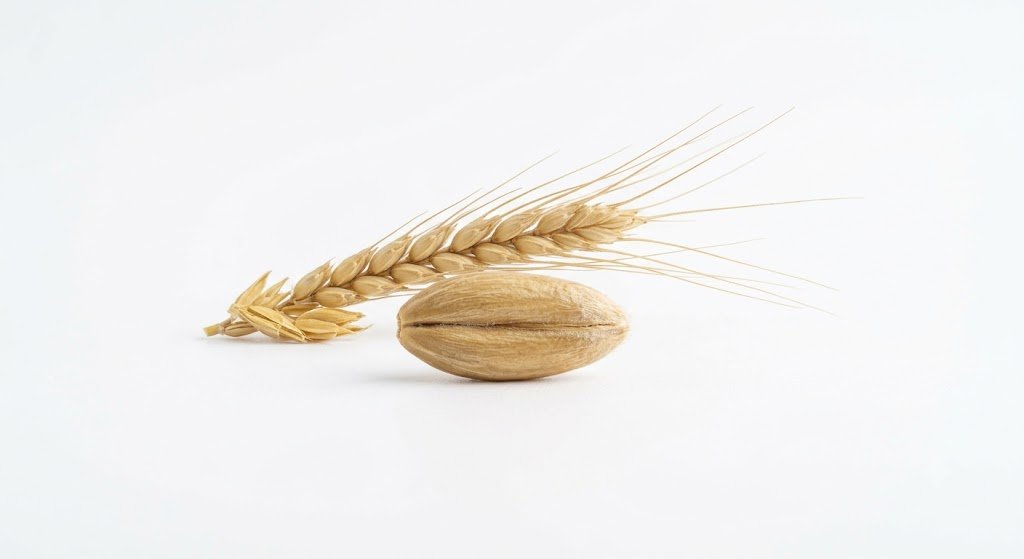
- Inflorescence: It bears a dense, compact, upright terminal structure known technically as a spike or ear. Typically, this head holds multiple small spikelets protected by bristly hairs called awns.
- The Kernel: It forms a small, dry, oval seed known as a caryopsis. Furthermore, this kernel consists of three distinct parts, including the fiber-rich outer bran, the nutrient-dense germ, and the starchy endosperm.
Growing Conditions
This grain is a resilient, temperate crop. Therefore, it requires moderate seasonal temperatures and uniform sunlight to set high-quality kernels.
- Ideal Temperature: It prefers moderate climates between 15–23°C for optimal growth. However, winter varieties require a temporary period of cold to successfully trigger heading.
- Soil Type: It thrives best in deep, well-drained loamy or clay loam soil. On the other hand, it cannot tolerate waterlogged fields or highly acidic dirt.
- Propagation: It is regularly grown from high-quality seeds sown directly into wide open fields. Specifically, farmers time the planting based on seasonal autumn or early spring moisture.
- Harvesting Season: Farmers typically harvest it during the mid-summer months. Specifically, they cut the crop when the entire field transitions into a bright golden-brown color.
Nutritional Profile of Wheat
This grain is naturally dense in complex energy sources. Furthermore, it contains high amounts of dietary fiber, essential minerals, and plant-based protein. As a result, it is a favorite among active individuals and families seeking sustained stamina.
Nutrients (Per 100g Raw Whole Grain Serving)
| Nutrient | Amount | Health Benefits |
| Energy | 339 kcal | Sustained source of clean, slow-releasing carbohydrate energy |
| Protein | 13.2g | Rich plant protein density supporting structural cellular repair |
| Dietary Fiber | 12.2g | Massive fiber volume supporting gastrointestinal tracking |
| Manganese | 3.9mg | Essential trace mineral supporting optimal bone metabolism |
| Phosphorus | 288mg | Crucial mineral for structural integrity of bone tissue |
| Thiamine (B1) | 0.38mg | Vital for converting food into usable cellular energy |
| Zinc | 2.6mg | Crucial mineral for robust immune cell defence systems |
Note: Processing this grain into refined white flour strips away the bran and germ, which effectively removes over 80% of its natural fiber and micronutrients. (Source: USDA FoodData Central)
Wheat Benefits for Your Everyday Health
1. Promotes Elite Digestive Health
Boasting over 12 grams of dietary fiber per serving, the whole grain encourages consistent bowel motility. In addition, it provides excellent prebiotic fuel for helpful gut microbes.
2. Provides Sustained Energy Release
Packed with complex carbohydrates, it releases glucose gradually into the blood. Consequently, it assists the body in maintaining long-lasting physical stamina without sudden drops.
3. Supports Cardiovascular Wellness
The abundant dietary fiber works in perfect synergy with internal plant lignans. As a result, it assists the body in maintaining optimal, healthy cholesterol curves.
4. Supports Healthy Weight Management
Because the high fiber content of the whole kernel slows down digestion, it keeps you feeling full. Therefore, it naturally reduces the urge to overeat between daily meals.
5. Supports Metabolic Health
Rich in essential magnesium and B vitamins, it works closely with cellular enzymes. Consequently, it promotes healthy carbohydrate and fat metabolism pathways.
6. Lowers Chronic Inflammation
Contains notable amounts of natural betaine and antioxidant minerals. These specialized compounds help reduce inflammation markers in metabolic tissues.
7. Enhances Meals Naturally
Brings a rich, nutty depth, complex aroma, and satisfying texture to daily home baking without requiring artificial texturizers.
Traditional & Modern Culinary Uses for Wheat
1. Daily Whole Flatbreads (Chapatis/Rotis)
First, mix whole wheat flour with water to form a smooth dough. Then, roll it into thin rounds and cook on a hot skillet for a foundational meal side.
2. Artisanal Whole Grain Sourdough
Combining the coarse stone-ground flour with natural wild yeasts yields a dense bread. As a result, you achieve an elite texture and superior nutrient absorption.
3. Savory Whole Grain Salads
Boiling the whole wheat berries until they become tender provides a beautiful, chewy texture. For instance, you can toss them with fresh herbs, lemon juice, and olive oil.
4. Traditional Porridges (Dalia)
Cracking the raw kernels into smaller pieces allows them to soften beautifully in hot milk or broths, creating a comforting breakfast dish.
How to Include Wheat in Your Diet
- Daily Whole Flatbreads – Switch completely from refined white flour to stone-ground whole wheat flour for daily meals.
- Hearty Grain Salad – Toss boiled wheat berries with roasted vegetables, parsley, and a light dressing.
- Morning Cracked Porridge – Cook broken wheat pieces with hot water and spices for a clean breakfast.
- Nutritious Home Baking – Use whole wheat pastry flour when making homemade biscuits or muffins.
- Wholesome Soup Thickeners – Drop a handful of cooked wheat grains directly into your simmering vegetable broths.
Side Effects & Precautions
While safe and highly beneficial for the general population, certain precautions apply:
- Gluten Sensitivities: Individuals diagnosed with celiac disease or non-celiac gluten sensitivity must avoid this grain entirely to prevent severe intestinal inflammation.
- Mild temporary bloating or gas may manifest if large amounts are introduced suddenly to a low-fiber diet.
- Refined variants should be strictly monitored, as highly processed white flours cause rapid blood sugar spikes.
Ultimately, individuals seeking to maximize their daily health advantages must prioritize whole wheat over refined white varieties to protect their digestive system. (Source: Wikipedia: Wheat)
Conclusion
In summary, Triticum aestivum is a nutrient-rich whole grain celebrated for its exceptional complex carbohydrates, fiber profile, and unparalleled culinary utility. From simple daily flatbreads to modern artisanal loaves and cracked morning porridges, wheat continues to reign as the ultimate foundational food across the earth. Whether eaten as a whole grain or a rustic stone-ground flour, it delivers fantastic life-giving value to a balanced lifestyle.
Therefore, start introducing whole wheat variants into your weekly diet planning. Ultimately, you will enjoy its distinctively nutty flavor and protective properties as part of a natural, healthy lifestyle.