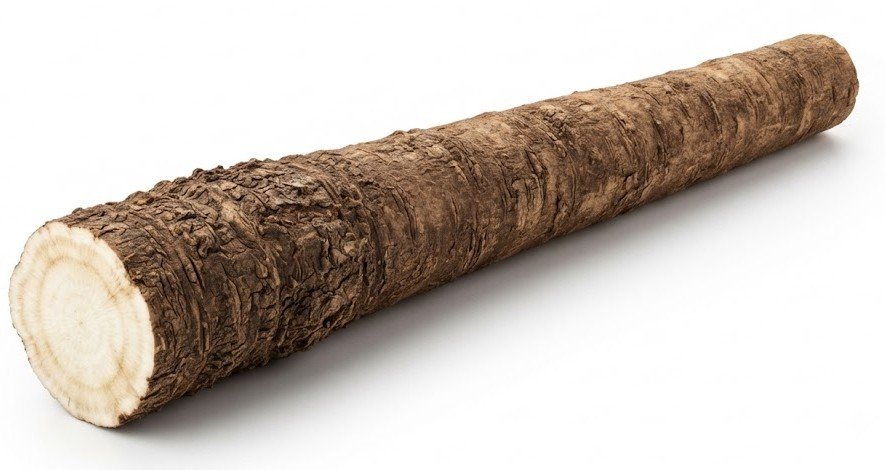

Burdock root boasts a loyal following among herbalists, skin-health advocates, and traditional wellness seekers alike. This remarkable biennial plant packs powerful inulin, antioxidants, and anti-inflammatory compounds into every serving. Research supports its health benefits far beyond typical weed-patch hype.
Let us examine what this plant genuinely achieves for skin clarification, blood purification support, and digestive wellness. Furthermore, we will cover areas where science needs more human trials and how to consume it safely.
What Is Burdock Root?
Burdock (Arctium lappa), also known as great burdock or beggar’s buttons, is a robust biennial plant belonging to the daisy family (Asteraceae). It is native to temperate regions of Europe and Asia and has long served traditional culinary and herbal practices worldwide. Its large heart-shaped leaves, vibrant purple thistle-like flowers, and deep taproot house the active phytochemicals.
A single serving of the sliced root delivers complex carbohydrates rather than heavy fats or proteins. Active plant compounds like inulin, arctiin, lignans, and diverse phenolic antioxidants drive its distinct therapeutic activity and detoxifying properties.
How Burdock Root Supports Health and Disease Prevention
Skin Clarification and Dermal Support
This stands as the root’s most famous benefit, particularly regarding chronic blemishes and complexion radiance.
-
The Mechanism: Bioactive compounds help enhance blood circulation to peripheral tissues while supporting lymphatic drainage and the elimination of metabolic waste.
-
The Research: Dermatological and traditional evaluations demonstrate that consistent herbal support helps clear stubborn skin conditions by reducing systemic oxidative stress and soothing irritation.
Digestive Health and Prebiotic Support
Gastrointestinal wellness and gut microbiome balance rely heavily on fermentable dietary fibers and prebiotic nourishment.
-
The Mechanism: High concentrations of inulin act as a soluble prebiotic fiber, feeding beneficial bifidobacteria in the large intestine and supporting overall gut motility.
-
The Research: Nutritional science indicates that regular intake fosters a balanced intestinal microbiome, which in turn improves nutrient absorption and immune function.
Blood Purification and Detoxification Support
Metabolic cleansing and liver support are classic pillars of traditional herbalism that modern science continues to validate.
-
The Mechanism: Active lignans and antioxidant polyacetylenes protect hepatic cells from toxic injury and assist the body’s natural filtration pathways.
-
The Research: Laboratory studies confirm that root extracts exhibit hepatoprotective activity, scavenging free radicals and supporting natural detoxification enzymes.
Powerful Antioxidant and Anti-inflammatory Protection
Systemic wellness depends heavily on continuous cellular defense against oxidative damage and chronic inflammation.
-
The Mechanism: Abundant phenolic acids, quercetin, and luteolin neutralize harmful reactive oxygen species and suppress inflammatory pathways.
-
The Research: Pharmacological evaluations show that consistent consumption helps lower systemic inflammatory markers, protecting tissues from long-term oxidative wear.
How to Add Burdock Root to Your Diet
The nutrient-dense root is versatile, functioning as both a whole food and a concentrated supplement:
-
Culinary preparation: Slice, peel, or grate fresh root to sauté in stir-fries, simmer in soups, or braise alongside other root vegetables like carrots.
-
Herbal tea infusions: Steep dried sliced root in hot water for several minutes to create an earthy, mineral-rich tonic.
-
Standardized extract capsules: Take capsules or liquid tinctures daily according to product labeling for concentrated antioxidant support.
-
Start moderately: Begin with small culinary portions or a single cup of tea to allow your digestive system to adapt comfortably to the high inulin content.
Safety Considerations for Burdock Root
The root is generally safe for culinary and supplement use, but specific factors require attention:
-
Allergic Reactions (Asteraceae Family): Individuals with known allergies to plants in the daisy family (such as ragweed, chrysanthemums, or marigolds) may experience cross-reactivity.
-
Mild Diuretic Effect: Because the root possesses natural diuretic properties, excessive consumption can increase urination frequency.
-
Medication Interactions: The supplement can interact with blood thinners and diabetes medications due to its potential effects on blood clotting and glucose levels. Consult a healthcare professional before combining them.
-
Pregnancy and Breastfeeding: Because clinical safety data remains limited regarding strong uterine stimulation effects, pregnant or nursing individuals should avoid concentrated supplements.
The Bottom Line
The earthy taproot backs up its traditional reputation with a solid research base, especially regarding skin clarification, prebiotic gut support, and antioxidant protection. Distinguishing between raw wild foraging—which risks misidentification with toxic lookalikes—and safely sourced commercial preparations remains the biggest variable in enjoying it safely.
Done right, it makes a cleansing, therapeutic, and nourishing addition to a broader wellness lifestyle. It offers no standalone miracle cure, but it remains one of the most uniquely purifying roots in the natural world.