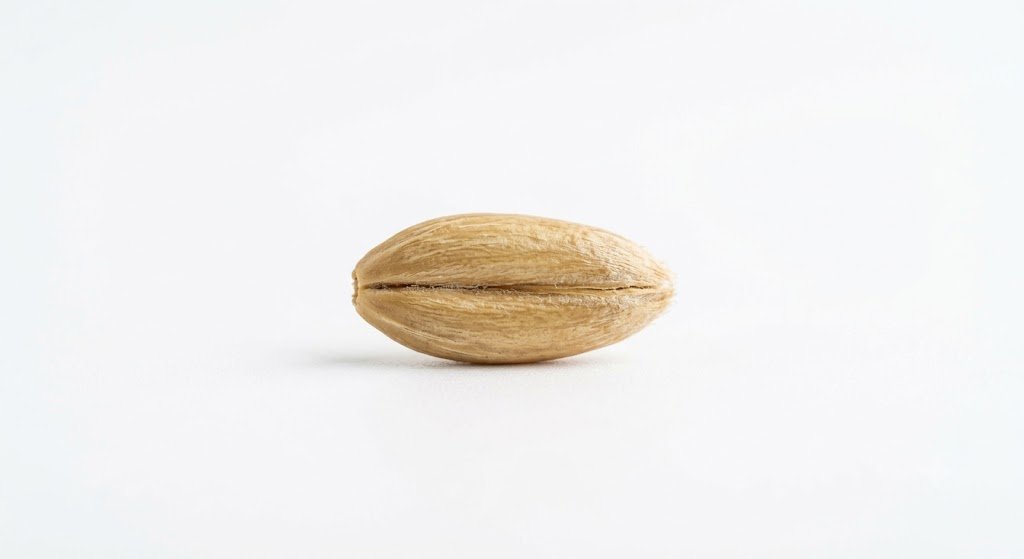
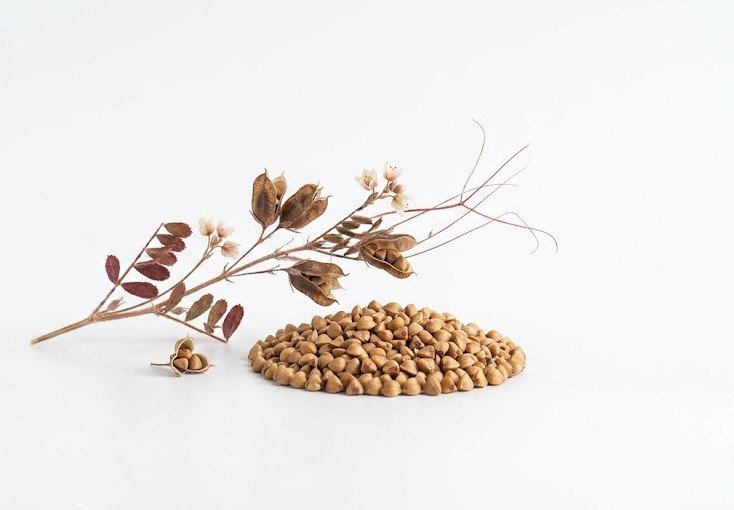

Buckwheat is a highly nutrient-dense pseudocereal belonging to the knotweed family (Polygonaceae). Specifically, this plant is grown globally for its triangular, nutrient-packed edible seeds. Despite its confusing name, this ancient crop is completely unrelated to true wheat. Additionally, it features a beautifully rich, nutty, and distinctly earthy flavor profile. For this reason, it has become a premier gluten-free health food staple in many international markets.
Originally, the grain was native to the ancient regions of Southeast Asia and Inland China. However, it was domesticated thousands of years ago during early agricultural expansions. Later on, it spread rapidly across Central Asia, Russia, and Europe through historic migration and trade networks. Today, it is grown extensively across Russia, China, Ukraine, and parts of North America. Consequently, it is prized in traditional European kasha porridges, Japanese soba noodles, gluten-free pancakes, and healthy salad bowls.
Because it is packed with plant-based protein, massive dietary fiber, unique antioxidants like rutin, and essential minerals, this pseudocereal is highly valued by international nutritionists. It offers incredible nutritional density alongside remarkable culinary versatility. Therefore, this comprehensive guide explores its history, nutritional profile, health benefits, traditional uses, cultivation methods, and practical ways to include it in your daily diet.
The History of Buckwheat & Its Cultural Importance
This crop has a profound agricultural history rooted deeply in ancient temperate climates. Over time, it spread across the globe through continuous migration and trade.
Buckwheat Through the Ages
- Ancient Asian Cultivation: Early human societies domesticated wild variants around 6000 BCE in Inland China. Specifically, this hardy crop provided a reliable food source capable of thriving in poor mountain soils.
- The Eurasian Journey: Traveling merchants introduced the seeds to the Middle East and Eastern Europe during the Middle Ages. Consequently, it quickly became a foundational winter staple across northern climates.
- The European Heritage: Central and Eastern European communities integrated the roasted groats deeply into their culinary traditions. Therefore, traditional dishes like kasha became a primary comfort food for vast populations.
- Modern Superfood Revival: Global scientists highlighted its superior antioxidant profile and lack of gluten in the late 20th century. As a result, it is heavily celebrated in contemporary allergen-free and metabolic wellness research.
Botanical Description of Buckwheat
Fagopyrum esculentum belongs to the Polygonaceae family. For instance, it is closely related to other unique, tart garden crops like rhubarb and sorrel rather than true grasses.
Plant Characteristics
- Growth: It grows naturally as a fast-growing, erect, highly branching annual herbaceous plant. Usually, it reaches 60 to 100 cm in height and features hollow, slightly red stems.
- Leaves: The plant produces broad, heart-shaped or triangular green leaves. In addition, these leaves are arranged alternately along the upper stems.
- Flowers: It bears dense, branching clusters of tiny, fragrant white or pale pink blossoms. Typically, these beautiful flowers open continuously over weeks, relying heavily on honeybees for cross-pollination.
- The Seed: It forms a distinct, three-sided, triangular seed that resembles a miniature beech nut. Furthermore, this kernel is protected by a tough, dark brown or black inedible outer hull.
Growing Conditions
This crop is a remarkably resilient, short-season plant. Therefore, it requires minimal inputs and can thrive in poor, acidic soils where true cereal grains fail completely.
- Ideal Temperature: It prefers moderate growing climates between 18–25°C for optimal seed development. However, it is highly sensitive to intense, burning summer heatwaves and early frost.
- Soil Type: It thrives best in well-drained, loose sandy or loamy soil. On the other hand, it cannot tolerate waterlogged fields or highly compacted, wet clay.
- Propagation: It is regularly grown from seeds sown directly into open fields during mid-summer. Specifically, its rapid growth naturally smothers out competing weeds without requiring chemical sprays.
- Harvesting Season: Farmers typically harvest it only 10 to 12 weeks after planting. Specifically, they cut the crop when the majority of the triangular seeds turn dark brown.
Nutritional Profile of Buckwheat
This pseudocereal is naturally dense in highly bioavailable plant proteins. Furthermore, it contains high amounts of unique soluble fiber, essential magnesium, and protective antioxidants. As a result, it is a favorite among active athletes and wellness seekers.
Nutrients (Per 100g Raw Whole Serving)
| Nutrient | Amount | Health Benefits |
| Energy | 343 kcal | Sustainable source of clean, slow-releasing metabolic energy |
| Protein | 13.2g | Well-balanced amino acid profile supporting tissue repair |
| Dietary Fiber | 10.0g | High fiber volume supporting healthy gastrointestinal tracking |
| Magnesium | 231mg | Supports deep muscle relaxation and nervous system health |
| Copper | 1.1mg | Essential trace mineral supporting optimal cardiovascular function |
| Iron | 2.2mg | Supports healthy oxygen transport throughout the bloodstream |
| Phosphorus | 347mg | Crucial mineral for structural integrity of bone tissue |
Note: The plant protein in this seed contains an exceptionally high volume of lysine, an amino acid that is often highly limited in true cereal grains. (Source: USDA FoodData Central)
Buckwheat Benefits for Your Everyday Health
1. Completely Gluten-Free by Nature
Because it is not a true grain, it contains absolutely no gluten proteins. Consequently, it serves as a highly nutritious and safe alternative for individuals managing celiac disease.
2. Supports Stable Blood Sugar Management
Features an exceptionally low glycemic response profile alongside a unique soluble carbohydrate called D-chiro-inositol. Because this compound assists insulin pathways, it helps avoid rapid glucose spikes.
3. Provides Deep Antioxidant Defense
Packed with immense concentrations of rutin and quercetin. Specifically, these specialized polyphenol compounds help reinforce delicate blood vessels and shield cells from acute oxidative stress.
4. Promotes Elite Digestive Health
Boasting over 10 grams of dietary fiber per serving, the whole groat encourages consistent bowel motility. In addition, it provides excellent prebiotic nourishment for helpful gut microbes.
5. Supports Cardiovascular Wellness
The abundant rutin works in perfect synergy with internal magnesium. As a result, it assists the body in maintaining optimal, healthy blood pressure curves and cholesterol metrics.
6. Supports Healthy Weight Management
Because the high fiber and protein matrix slows down digestion, it keeps you feeling full. Therefore, it naturally reduces the urge to overeat between daily meals.
7. Enhances Meals Naturally
Brings a rich, deeply nutty, and slightly roasted depth to daily home baking without introducing heavy starches.
Traditional & Modern Culinary Uses for Buckwheat
1. Traditional European Roasted Kasha
First, toast the raw green groats in a dry pan until they become highly aromatic. Then, simmer in water or vegetable broth until they fluff up into a classic, savory porridge base.
2. Authentic Japanese Soba Noodles
Combining pure buckwheat flour with water yields a dense, dark dough. Consequently, you can cut thin, high-protein noodles that pair beautifully with cold broths and fresh herbs.
3. Gluten-Free Savory Pancakes (Galettes)
Whisking the dark flour with cold water and a pinch of salt creates a smooth batter. As a result, you can cook thin, crispy crepes on a hot griddle for a historic French breakfast.
4. Wholesome Whole Grain Bowls
Tossing cooled, boiled unroasted groats with fresh cucumbers, cherry tomatoes, and a light dressing allows you to pack a dense, macro-balanced lunch.
How to Include Buckwheat in Your Diet
- Daily Base Swap – Replace white rice or refined couscous completely with fluffy cooked buckwheat groats.
- Nutritious Morning Porridge – Simmer roasted groats with almond milk, chopped walnuts, and cinnamon.
- Gluten-Free Home Baking – Substitute a portion of standard flour with dark buckwheat flour when making rustic breads.
- Vibrant Power Salads – Mix cold cooked groats with roasted root vegetables, parsley, and olive oil.
- Crunchy Granola Toppers – Toast raw green groats with seeds and spices to scatter over morning yogurt bowls.
Side Effects & Precautions
While safe and highly beneficial for the general population, certain precautions apply:
- Mild temporary gas or abdominal shifting may manifest if massive quantities are introduced suddenly to a low-fiber diet.
- Allergic Sensitivities: Rare individuals can develop specific occupational or dietary sensitivities to the crop’s proteins upon prolonged exposure.
- Raw green groats require a thorough wash before boiling to remove excess surface starches that can cause a slimy texture.
Ultimately, individuals seeking to maximize their daily health advantages must prioritize whole groats over highly refined commercial cereal flakes to protect their system. (Source: Wikipedia: Buckwheat)
Conclusion
In summary, Fagopyrum esculentum is a nutrient-rich pseudocereal celebrated for its exceptional gluten-free profile, cardiovascular support, and unparalleled culinary utility. From simple everyday roasted kasha to authentic soba noodles and savory griddle crepes, buckwheat continues to reign as a vital foundational food across the earth. Whether eaten as a whole groat or a versatile flour, it delivers fantastic life-giving value to a balanced lifestyle.
Therefore, start introducing whole buckwheat varieties into your weekly diet planning. Ultimately, you will enjoy its distinctively rich flavor and protective properties as part of a natural, healthy lifestyle.