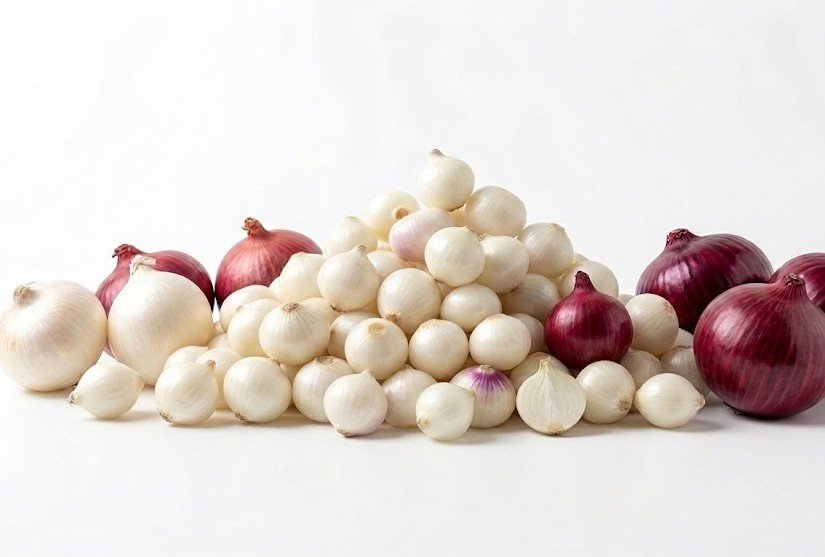

Rich in antioxidants, vitamins, minerals, and beneficial plant compounds, onions are recognized for their nutritional value and versatility in cooking. This guide explores their history, nutritional profile, health benefits, traditional uses, cultivation methods, and practical ways to include them in your diet.
Historical Significance & Cultural Importance
Onions have been cultivated for over 5,000 years and have held importance in food, trade, and traditional practices.
Onion in Ancient Traditions
Ancient Egypt: Considered a symbol of eternity and consumed by workers building monuments.
Greek & Roman Civilizations: Used as both food and a traditional health-supporting ingredient.
Indian Cuisine: An essential component of countless regional dishes and spice blends.
Global Agriculture: One of the most economically important vegetable crops worldwide.
Botanical Description
Onions belong to the Amaryllidaceae family and are classified under the Allium genus.
Plant Characteristics
Growth: Herbaceous biennial plant commonly grown as an annual crop.
Leaves: Hollow, tubular green leaves.
Flowers: Small white flowers arranged in spherical clusters.
Bulb: Underground swollen bulb composed of concentric fleshy layers covered by a papery outer skin.
Cultivation & Growing Conditions
Onions grow well in a variety of climates and are cultivated throughout the year in many regions.
Ideal Temperature: 13–25°C for optimal growth.
Soil Type: Fertile, well-drained loamy soil rich in organic matter.
Propagation: Grown from seeds, seedlings, or sets.
Harvesting Season: Typically harvested 90–150 days after planting, depending on the variety and climate.
Nutritional Profile of Onion
Onions are low in calories and provide valuable vitamins, minerals, and antioxidants.
Nutrients in Onion (Per 100g Serving)
| Nutrient | Amount | Health Benefits |
|---|---|---|
| Energy | 40 kcal | Provides natural energy |
| Dietary Fiber | 1.7g | Supports digestive health |
| Vitamin C | 7.4mg | Supports immunity and skin health |
| Potassium | 146mg | Helps regulate blood pressure |
| Folate | 19mcg | Supports cell growth and development |
| Quercetin | Present | Antioxidant that supports cellular health |
Health Benefits of Onion
1. Supports Heart Health
Onions contain antioxidants such as quercetin and beneficial plant compounds.
Can be included as part of a heart-conscious diet.
2. Provides Antioxidant Protection
Rich in flavonoids and sulfur-containing compounds.
These compounds help protect cells from oxidative stress.
3. Supports Immune Function
Provides vitamin C and other antioxidants that contribute to normal immune system function.
Supports overall wellness.
4. Supports Digestive Health
Contains dietary fiber that promotes healthy digestion.
Supports gut health and regular bowel movements.
5. Supports Healthy Blood Sugar Management
Onions contain compounds that have been studied for their role in glucose metabolism.
Can be included as part of a balanced diet.
6. Supports Bone Health
Contains nutrients and plant compounds that contribute to overall skeletal wellness.
Supports long-term bone health as part of a nutritious diet.
7. Supports Overall Nutrition
Low in calories yet rich in flavor and beneficial nutrients.
Adds nutritional value to a wide variety of meals.
Traditional Uses of Onion
1. Raw Onion
Usage: Consumed fresh in salads, sandwiches, and side dishes.
2. Onion Curry Base
Recipe: Finely chopped onions sautéed with spices form the base of many curries and gravies.
3. Onion Soup
Usage: A classic dish prepared with caramelized onions and broth.
4. Pickled Onions
Recipe: Preserved in vinegar, salt, and spices for a tangy accompaniment.
How to Include Onion in Your Diet
Raw Onions – Add to salads and sandwiches.
Curries and Gravies – Essential flavor base in many cuisines.
Soups and Stews – Enhances taste and nutritional value.
Stir-Fries – Common ingredient in vegetable and meat dishes.
Pickled Onions – Flavorful accompaniment to meals.
Side Effects & Precautions
While onions are generally safe for most people, excessive consumption may cause:
- Digestive discomfort or bloating in sensitive individuals.
- Heartburn or acid reflux in some people.
- Eye irritation during chopping due to sulfur compounds.
- Allergic reactions in rare cases.
Individuals with specific digestive conditions may benefit from moderating onion intake.
Conclusion
Onion (Allium cepa) is a versatile and nutrient-rich vegetable that provides antioxidants, vitamins, minerals, and dietary fiber. From supporting heart health and immune function to contributing to digestive wellness and overall nutrition, onions offer numerous benefits as part of a balanced diet. Whether consumed raw, cooked, pickled, or incorporated into soups and curries, onions remain an indispensable ingredient in kitchens around the world.
Start incorporating onions into your daily meals and enjoy their flavor, versatility, and nutritional benefits as part of a healthy lifestyle.