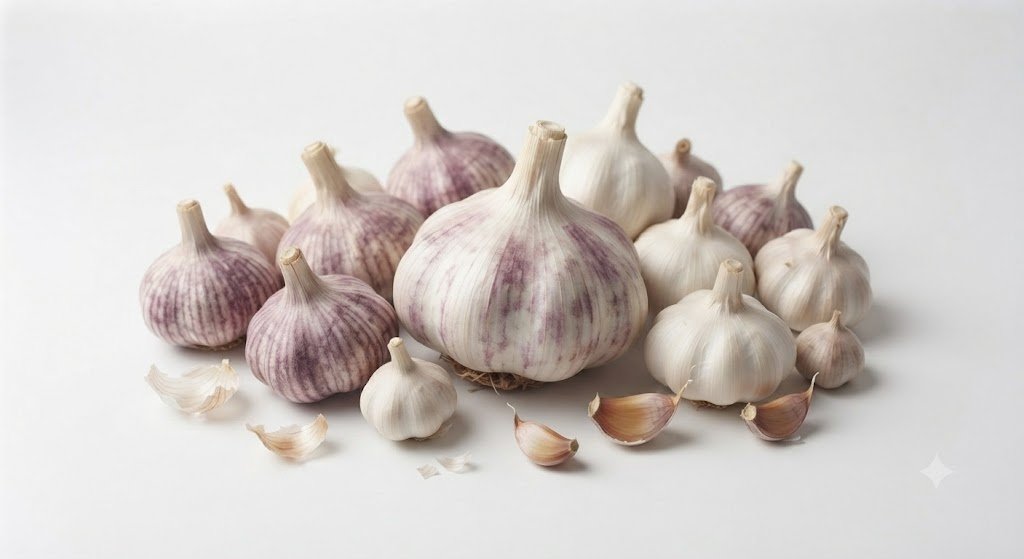

Beyond enhancing the taste of food, garlic contains powerful bioactive compounds that may support heart health, immunity, blood sugar control, and overall wellness. The key compound responsible for many of garlic’s health benefits is allicin, which is formed when fresh garlic is chopped, crushed, or chewed. People can consume the bulb raw, cooked, roasted, aged, pickled, or in supplement form. It remains one of the most researched functional foods due to its potential role in disease prevention and health promotion.
Nutritional Profile of Garlic
According to official data, 100 grams of raw garlic contains approximately:
-
Calories: 149 kcal
-
Protein: 6.4 grams
-
Carbohydrates: 33.1 grams
-
Dietary Fiber: 2.1 grams
-
Total Fat: 0.5 grams
-
Sugars: 1 gram
Key Vitamins & Minerals
-
Vitamins: Vitamin C, Vitamin B6, Folate, Thiamin, and Niacin.
-
Minerals: Manganese, Selenium, Phosphorus, Calcium, Potassium, Iron, and Copper.
Per Clove (Approximately 3 grams): Supplying 4 to 5 kcal, 0.2 grams of protein, and 1 gram of carbohydrates with negligible fat, the vegetable is low in calories yet rich in beneficial sulfur compounds and antioxidants that contribute to its health-promoting properties.
Evidence-Based Health Benefits of Garlic
Numerous scientific studies have investigated the effects of the plant on various aspects of health.
-
Supports Heart Health: The bulb may help improve cardiovascular health by lowering blood pressure, reducing LDL cholesterol levels, and improving blood vessel function, with several studies suggesting that regular intake contributes to a reduced risk of heart disease when combined with a lifestyle routine.
-
May Help Lower Blood Pressure: Research indicates that concentrated preparations may significantly reduce blood pressure in people with hypertension, as sulfur compounds help relax blood vessels and improve circulation.
-
Helps Manage Cholesterol Levels: Consistent intake appears to offer modest benefits for cholesterol management by helping lower total and LDL cholesterol levels.
-
Strengthens the Immune System: The crop contains compounds that support immune cell function and enhance the body’s ability to fight infections, meaning individuals who consume it regularly often experience fewer colds and shorter illness durations.
-
Rich in Antioxidants: Natural antioxidants help protect cells from oxidative stress and free radical damage, contributing to healthy aging and a lower risk of chronic diseases.
-
Supports Blood Sugar Control: Research suggests that the item may improve insulin sensitivity and help regulate blood sugar levels, benefiting individuals with prediabetes or type 2 diabetes when combined with medical care and a healthy diet.
-
May Improve Athletic Performance: Historically used to reduce fatigue and enhance physical performance, modern studies suggest it may improve exercise capacity, although more research is needed.
-
Supports Brain Health: Antioxidants may protect brain cells from oxidative damage, with preliminary research indicating that specific compounds support cognitive health and healthy aging.
-
Possesses Antimicrobial Properties: Laboratory studies show that natural antibacterial, antiviral, and antifungal properties can inhibit the growth of various harmful microorganisms.
Side Effects and Precautions
While generally safe when consumed as part of a balanced diet, excessive intake may trigger certain reactions.
-
Digestive Discomfort: Large amounts may cause heartburn, gas, bloating, nausea, and stomach irritation, particularly for people with sensitive digestive systems.
-
Garlic Breath and Body Odor: Sulfur compounds can produce strong breath and body odor, especially after consuming raw segments.
-
Blood-Thinning Effects: Mild blood-thinning properties mean individuals taking anticoagulant medications or preparing for surgery should consult a healthcare professional before consuming large amounts or taking supplements.
-
Allergic Reactions: Although uncommon, allergies can occur, leading to skin reactions, digestive symptoms, or respiratory issues.
-
Medication Interactions: Supplements may interact with blood-thinning drugs, blood pressure medications, certain HIV treatments, and diabetes therapies.
-
Pregnancy and Breastfeeding: Food amounts are generally considered safe during pregnancy and breastfeeding.
Recommended Intake & Ways to Consume Garlic
Most scientific studies use the equivalent of 1 to 2 fresh cloves daily (approximately 3 to 6 grams), which is generally considered sufficient to obtain potential health benefits.
-
Raw Garlic: Crush or chop the cloves and allow them to sit for 10 minutes before eating to maximize allicin formation.
-
Roasted Garlic: Roasting creates a milder flavor and softer texture while retaining many beneficial compounds.
-
In Cooking: Add minced portions to soups, curries, stir-fries, sauces, marinades, and vegetable dishes, or use fresh paste as a savory base.
-
Supplements: Available as powder, oil, aged extract, or capsules (consult a healthcare professional before using supplements regularly).
Ultimately, garlic stands out as one of the most powerful functional foods available. Rich in sulfur compounds, antioxidants, vitamins, and minerals, it offers potential benefits for heart health, immunity, blood pressure management, cholesterol control, and overall wellness. Incorporating 1 to 2 fresh cloves into your daily routine is a simple way to enhance flavor and nutrition while practicing moderation and consistency.