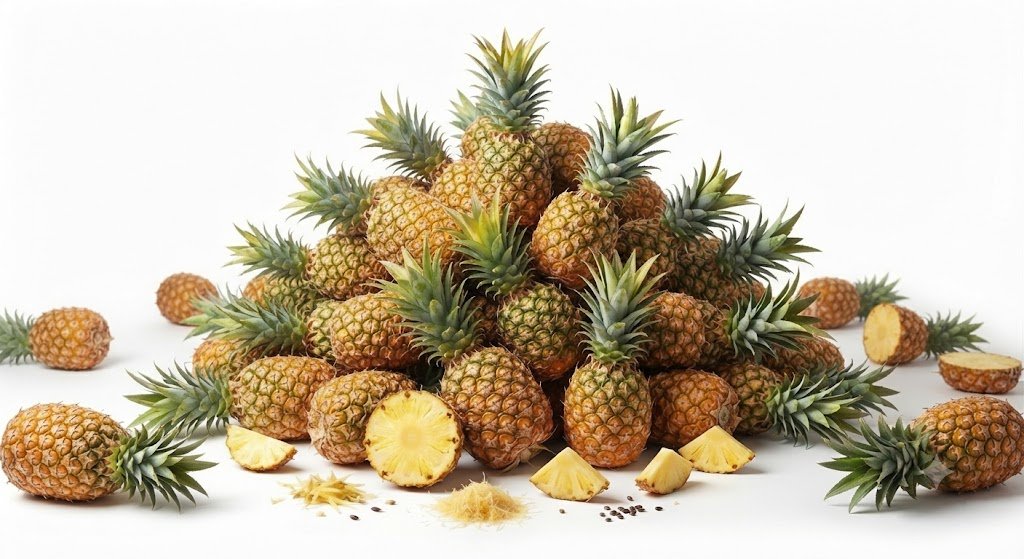

Pineapple (Ananas comosus) is a tropical fruit celebrated for its sweet-tangy flavor, vibrant aroma, and exceptional nutritional value. Native to South America, particularly the regions of southern Brazil and Paraguay, humans have cultivated this crop for centuries, and it is now grown across tropical and subtropical regions worldwide.
Rich in vitamin C, manganese, dietary fiber, antioxidants, and the natural enzyme bromelain, experts widely recognize this tropical produce for supporting digestion, immunity, heart health, and overall wellness. Furthermore, this guide explores its history, nutritional profile, health benefits, medicinal uses, cultivation, and delicious ways to enjoy the harvest.
Historical Significance & Cultural Importance
The fruit has long symbolized hospitality, prosperity, and friendship in many cultures. Following its introduction to Europe in the 15th century, society regarded it as one of the world’s most prized tropical foods.
-
South American Tradition: Indigenous communities cultivated the plant for food, traditional remedies, and beverages.
-
Caribbean Culture: The item became a symbol of hospitality and was often offered to honored guests.
-
European History: During the 17th and 18th centuries, the harvest represented luxury and wealth due to its rarity.
-
Traditional Medicine: Various cultures have historically utilized the fruit to support digestion and general wellness.
Botanical Description
The species belongs to the Bromeliaceae family and scientists scientifically classify the plant as Ananas comosus.
Plant Characteristics
-
Growth: A perennial herbaceous plant growing approximately 1–1.5 meters in height.
-
Leaves: Long, narrow, thick, and spiny fronds featuring a waxy green surface.
-
Flowers: Small purple or reddish blooms arranged in a compact cluster.
-
Fruit: A large multiple fruit with golden-yellow flesh, rough patterned skin, and a leafy crown.
Cultivation & Growing Conditions
The crop thrives best in warm tropical climates characterized by plenty of sunshine and well-drained soil.
-
Ideal Temperature: Farmers look for 22–32°C to ensure optimal growth and fruit production.
-
Soil Type: Well-drained sandy loam featuring a slightly acidic pH works best.
-
Propagation: Growers commonly propagate the plant using crowns, slips, suckers, or ratoons.
-
Harvesting Season: Workers typically gather the produce 15–24 months after planting, depending on the climate and variety.
Nutritional Profile
Naturally rich in elements, the item provides essential vitamins, minerals, enzymes, and antioxidants that support overall health.
Nutrients (Per 100g Serving)
| Nutrient | Amount | Health Benefits |
| Vitamin C | 47.8 mg | Supports immunity and collagen production |
| Manganese | 0.93 mg | Supports bone health and metabolism |
| Dietary Fiber | 1.4 g | Promotes healthy digestion |
| Potassium | 109 mg | Supports heart and muscle function |
| Vitamin B6 | 0.11 mg | Supports brain and nervous system health |
| Bromelain | Naturally Present | Protein-digesting enzyme that aids digestion |
Health Benefits
-
Supports Digestive Health: Rich in bromelain—a protein-digesting enzyme—alongside dietary fiber, the food helps break down proteins, promotes regular bowel movements, and improves overall digestive comfort as part of a balanced diet.
-
Strengthens the Immune System: Packed with vitamin C, the produce supports normal immune function, while antioxidants help protect cells from oxidative stress and support the body’s natural defense mechanisms.
-
Supports Heart Health: Potassium contributes to maintaining normal blood pressure, antioxidants support cardiovascular wellness, and fiber contributes to a heart-healthy diet.
-
Promotes Healthy Skin: Vitamin C supports collagen production, and antioxidants help protect skin cells from environmental stress, ensuring that regular consumption contributes to healthy-looking skin.
-
Supports Bone Health: Serving as an excellent source of manganese, the item provides an essential mineral required for normal bone development, healthy metabolism, and connective tissues.
Medicinal & Culinary Uses
-
Fresh Juice: Blend fresh chunks with chilled water and a squeeze of lime to create a refreshing natural beverage for hydration.
-
Smoothie: Combine the fruit with yogurt, banana, and coconut water to prepare a nutritious breakfast smoothie.
-
Herbal Drink: Simmer the outer peel with ginger and cinnamon to prepare a traditional fruit-infused beverage.
-
Face Mask: Mix mashed portions with honey and yogurt to prepare a homemade face mask (always perform a patch test before applying, as natural acids may irritate sensitive skin).
Scientific Research
Several scientific studies highlight the value of this tropical produce:
-
Bromelain has been widely studied for its protein-digesting properties and its potential role in supporting digestion.
-
The food serves as an excellent source of vitamin C, which contributes directly to normal immune function and collagen formation.
-
Antioxidants naturally present in the harvest help protect cells from oxidative stress and support overall health.
How to Include the Harvest in Your Diet
-
Fresh Fruit: Enjoy raw pieces as a naturally sweet snack.
-
Fresh Juice: Drink freshly prepared juice without added sugar.
-
Fruit Salad: Mix the harvest with mango, papaya, kiwi, and berries.
-
Smoothies: Blend it with yogurt or coconut water.
-
Grilled Portions: Serve warm slices alongside savory dishes or desserts.
-
Salsa & Desserts: Combine diced fruit with tomatoes, onions, cilantro, and lime, or add it to yogurt, cakes, puddings, and frozen treats.
Side Effects & Precautions
While safe for most people, excessive consumption may cause:
-
Mouth irritation due to the presence of bromelain and natural fruit acids.
-
Mild digestive discomfort if eaten in very large quantities.
-
Allergic reactions in individuals sensitive to the fruit.
-
Increased acidity or heartburn in susceptible individuals.
Ultimately, this produce stands out as one of the world’s most nutritious tropical fruits, offering an excellent source of vitamin C, manganese, dietary fiber, antioxidants, and the unique enzyme bromelain. Whether enjoyed fresh, as juice, in smoothies, salads, desserts, or savory dishes, it provides a delicious and nutritious addition to a balanced diet, supporting digestion, immunity, skin health, heart health, and overall wellness.