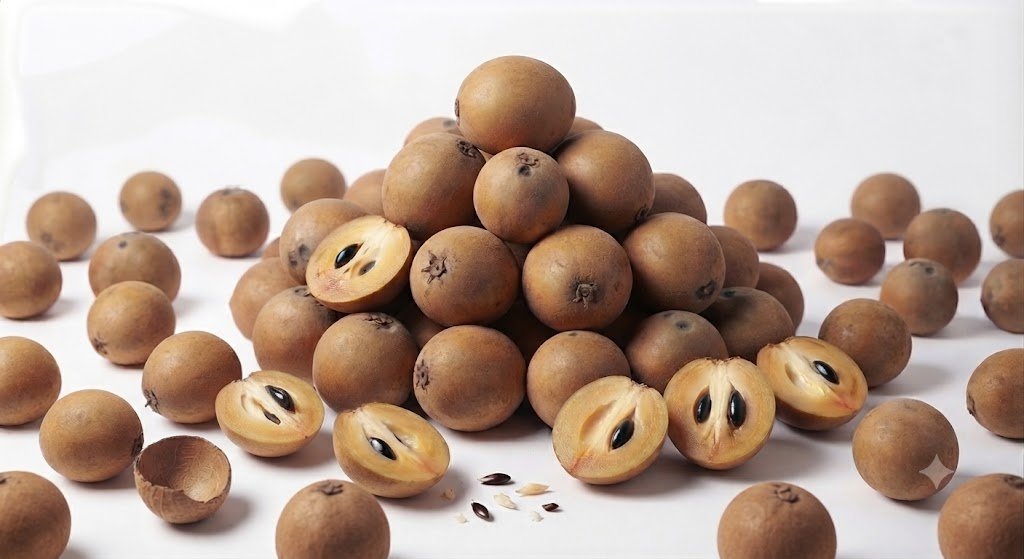

Sapota, commonly known as chikoo or sapodilla, is a delicious tropical fruit prized for its naturally sweet flavor, soft texture, and impressive nutritional value. Scientifically known as Manilkara zapota, this fruit is native to southern Mexico, Central America, and the Caribbean. Today, it is widely cultivated in India, Sri Lanka, Thailand, the Philippines, and other tropical regions, where people enjoy sapota as both a fresh fruit and an ingredient in various desserts and beverages.
Rich in dietary fiber, vitamin C, potassium, antioxidants, and natural sugars, sapota is widely recognized for supporting digestion, energy levels, immune function, and overall wellness. Furthermore, this guide explores the history of sapota, its nutritional profile, health benefits, medicinal uses, cultivation, and delicious ways to enjoy sapota.
Historical Roots and Global Spread of Sapota
People have cultivated sapota for centuries, and societies value it not only for its nutritious fruit but also for the chicle obtained from the sapota tree, which was historically used to manufacture natural chewing gum.
-
Mayan Civilization: Ancient populations valued the sapota tree for its sweet fruit and chicle latex, which they traditionally used as chewing gum.
-
Indian Agriculture: Chikoo became one of India’s most popular tropical fruits following its introduction, and farmers cultivate sapota extensively in states like Maharashtra, Gujarat, Karnataka, Tamil Nadu, and Andhra Pradesh.
-
Traditional Medicine: Traditional wellness practices in various cultures have historically incorporated different parts of the sapota tree.
-
Tropical Cuisine: Across many tropical countries, residents commonly use sapota in smoothies, milkshakes, desserts, jams, and fruit salads.
Botanical Overview of Sapota
The sapota plant belongs to the Sapotaceae family, and botanists scientifically classify sapota as Manilkara zapota.
Plant Characteristics of Sapota
-
Growth: The evergreen sapota tree grows approximately 8–20 meters in height.
-
Leaves: The plant features glossy, dark green, oval-shaped leaves arranged alternately.
-
Flowers: Small, bell-shaped white blooms appear on the branches.
-
Fruit: The sapota harvest yields a round or oval-shaped fruit featuring rough brown skin and soft, sweet brown flesh containing shiny black seeds.
Cultivation & Growing Conditions for Sapota
Sapota grows best in warm tropical and subtropical climates characterized by plenty of sunshine.
-
Ideal Temperature: Farmers look for 25–35°C to ensure healthy growth and optimal sapota fruit production.
-
Soil Type: Well-drained sandy loam or loamy soil featuring a slightly acidic to neutral pH works best.
-
Propagation: Growers primarily propagate sapota through grafting, air layering, or budding to secure better fruit quality.
-
Harvesting Season: Depending on the variety and region, sapota trees may produce fruit almost year-round, while local harvesting peaks vary by location.
Nutritional Profile of Sapota
Naturally rich in elements, sapota provides an excellent source of natural carbohydrates, dietary fiber, vitamins, minerals, and antioxidants.
Nutrients (Per 100g Serving)
| Nutrient | Amount | Health Benefits |
| Calories | 83 kcal | Provides natural energy |
| Dietary Fiber | 5.3 g | Supports digestive health |
| Vitamin C | 14.7 mg | Supports immunity and collagen production |
| Potassium | 193 mg | Supports heart and muscle function |
| Calcium | 21 mg | Supports healthy bones and teeth |
| Iron | 0.8 mg | Supports normal oxygen transport |
| Magnesium | 12 mg | Supports muscle and nerve function |
Health Benefits of Sapota
-
Supports Digestive Health: Rich in dietary fiber, sapota promotes regular bowel movements, supports a healthy digestive system, and contributes to digestive comfort when included in a balanced diet.
-
Provides Natural Energy: Because it is naturally rich in carbohydrates and fruit sugars, sapota makes a satisfying snack for active individuals, helping replenish energy levels after physical activity.
-
Supports Immune Function: Vitamin C contributes to the normal functioning of the immune system, while antioxidants help protect cells from oxidative stress and support overall wellness as part of a nutritious diet.
-
Promotes Heart Health: Potassium supports normal blood pressure regulation, fiber contributes to a heart-healthy eating pattern, and antioxidants support cardiovascular wellness.
-
Supports Skin Health: Vitamin C contributes to collagen formation, while antioxidants help protect skin cells from free radical damage, ensuring that essential nutrients support healthy-looking skin.
Medicinal & Culinary Uses of Sapota
-
Fresh Sapota Smoothie: Blend ripe sapota with chilled milk or yogurt and a few ice cubes to create a creamy, naturally sweet smoothie.
-
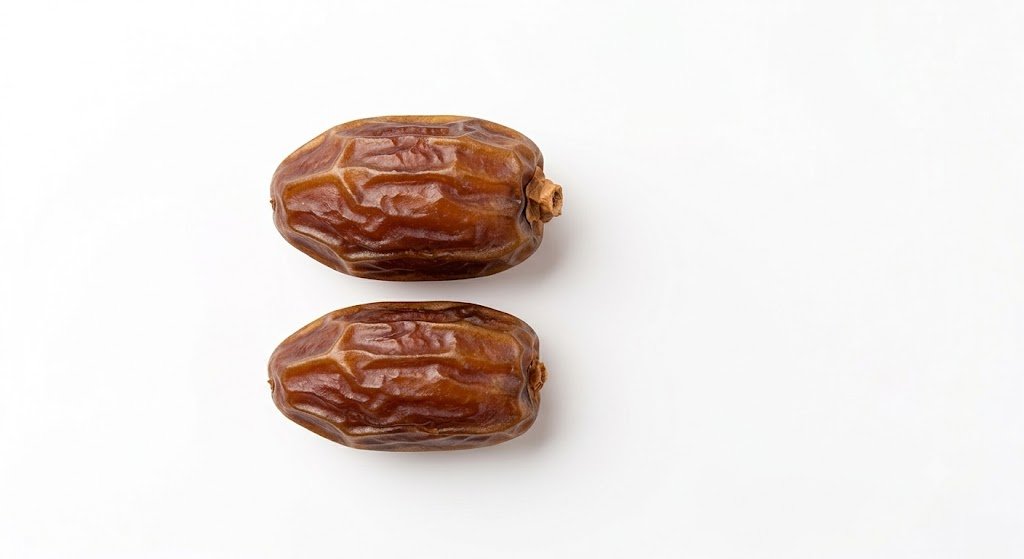
Sapota Milkshake: Blend peeled sapota with milk, dates, and a pinch of cardamom to prepare a nutritious beverage.
-
Fresh Sapota Fruit Bowl: Combine chopped sapota with banana, apple, pomegranate, and nuts to assemble a wholesome fruit bowl.
-
Sapota Face Pack: Mash ripe sapota with honey and yogurt to prepare a hydrating homemade face pack, though individuals should perform a patch test before applying it to the skin.
Scientific Research on Sapota
Several scientific studies highlight the value of this tropical produce:
-
Sapota contains polyphenols and other antioxidant compounds that actively help protect cells from oxidative stress.
-
Its dietary fiber supports digestive health as part of a balanced diet.
-
The fruit provides essential vitamins and minerals that contribute to overall nutritional intake.
How to Include Sapota in Your Diet
-
Fresh Sapota: Enjoy ripe fruit as a healthy snack.
-
Sapota Milkshake: Blend it with milk for a creamy beverage.
-
Smoothies: Combine sapota with banana, oats, or yogurt.
-
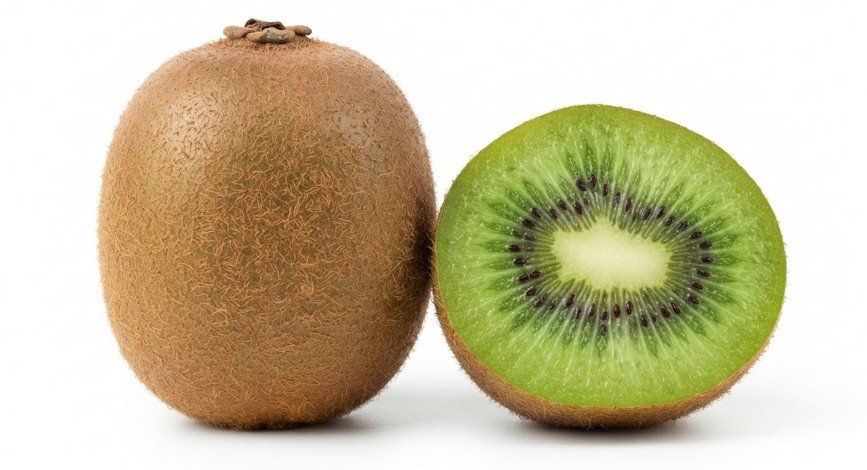
Fruit Salad: Mix it with apples, grapes, pomegranate, and kiwi.
-
Desserts: Use sapota in ice cream, puddings, custards, or yogurt.
-
Jam: Prepare homemade sapota jam for spreads and desserts.
Side Effects & Precautions
Although sapota is safe for most people, excessive consumption may cause:
-
Mild digestive discomfort if individuals eat sapota in very large quantities.
-
Increased sugar intake due to its natural sweetness.
-
Unripe sapota contains tannins that may trigger a dry or bitter sensation in the mouth.
-
Additionally, individuals managing diabetes should consume sapota in moderation as part of their overall carbohydrate intake.
Ultimately, sapota, or chikoo, stands out as one of the most nutritious tropical fruits, offering a delicious combination of natural sweetness, dietary fiber, vitamins, minerals, and antioxidants. Whether eaten fresh, blended into milkshakes, added to fruit salads, or enjoyed in desserts, sapota serves as a flavorful addition to a balanced diet. Its nutritional value makes sapota an excellent choice for supporting digestion, energy levels, immunity, heart health, and overall wellness.