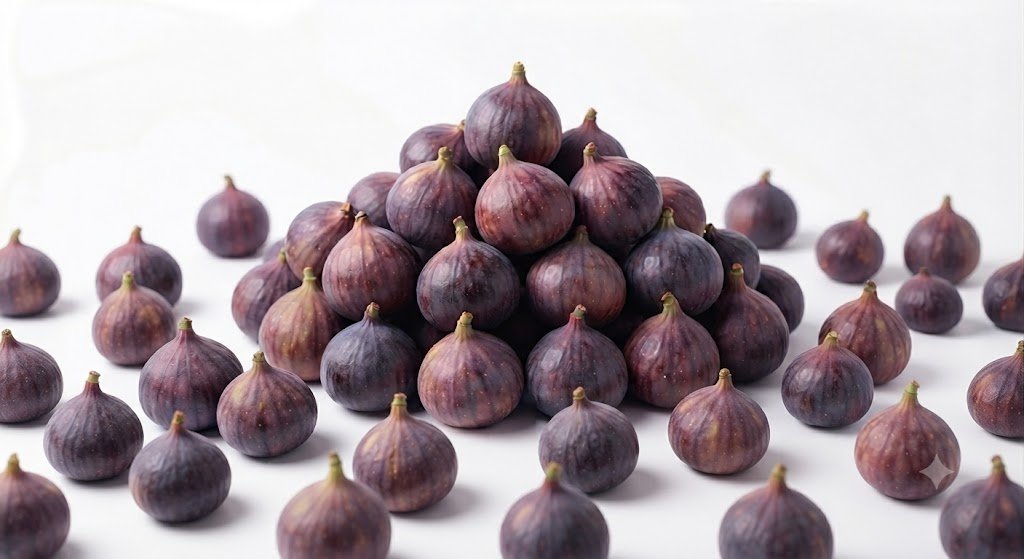

Fig (Ficus carica), also known as the Common Fig, is a nutrient-rich fruit cherished for its naturally sweet taste, soft texture, and remarkable nutritional value. Native to the Mediterranean region and Western Asia, humans have cultivated figs for over 11,000 years, establishing them as one of the oldest domesticated fruit crops in human history. Today, agricultural producers widely grow figs across Europe, Asia, the Middle East, North Africa, and the Americas.
Rich in dietary fiber, antioxidants, vitamins, minerals, and beneficial plant compounds, experts widely recognize figs for supporting digestive health, heart health, bone strength, skin health, and overall wellness. Furthermore, this guide explores their history, nutritional profile, health benefits, medicinal uses, cultivation, and delicious ways to enjoy figs.
Historical Significance & Cultural Importance
Figs have played an important role in human civilization for thousands of years. Consequently, societies often regard them as symbols of abundance, fertility, wisdom, and prosperity.
-
Ancient Egypt: Farmers cultivated figs as a valuable food source, and priests frequently used them in religious ceremonies.
-
Greek Civilization: Athenians considered figs a symbol of prosperity and strength; furthermore, athletes and philosophers commonly consumed them.
-
Roman Empire: Romans highly prized figs and enjoyed them fresh, dried, and preserved in honey.
-
Islamic Tradition: Sacred texts mention figs; therefore, people have long appreciated them as a blessed fruit.
-
Indian Ayurveda: Traditional practitioners have historically used figs to support digestion and overall vitality.
Botanical Description
The fig belongs to the Moraceae family and scientists scientifically classify it as Ficus carica.
Plant Characteristics
-
Growth: The species grows as a deciduous tree or large shrub reaching approximately 3–10 meters in height.
-
Leaves: The plant features large, deeply lobed, rough-textured green leaves.
-
Flowers: Tiny flowers develop inside an enclosed fruit structure known as the syconium.
-
Fruit: The harvest yields a pear-shaped fruit featuring thin skin and soft, sweet flesh containing hundreds of tiny edible seeds.
Cultivation & Growing Conditions
Fig trees thrive in warm, dry climates characterized by long sunny days and well-drained soil.
-
Ideal Temperature: Farmers look for 20–30°C to ensure healthy growth and optimal fruit production.
-
Soil Type: Well-drained loamy or sandy loam soil with a slightly acidic to neutral pH works best.
-
Propagation: Growers commonly propagate trees through hardwood cuttings, layering, or grafting.
-
Harvesting Season: Workers typically gather the produce from June to September, depending on the variety and growing region.
Nutritional Profile of Fig
Fresh figs are packed with dietary fiber, vitamins, minerals, and antioxidants while naturally remaining sweet.
Nutrients (Per 100g Serving)
| Nutrient | Amount | Health Benefits |
| Calories | 74 kcal | Provides natural energy |
| Dietary Fiber | 2.9 g | Supports digestive health |
| Potassium | 232 mg | Supports heart and muscle function |
| Calcium | 35 mg | Supports healthy bones and teeth |
| Magnesium | 17 mg | Supports muscle and nerve function |
| Vitamin C | 2 mg | Supports immunity and collagen formation |
| Iron | 0.4 mg | Supports normal oxygen transport |
Health Benefits
-
Supports Digestive Health: Rich in dietary fiber, figs promote regular bowel movements, help maintain a healthy digestive system, and support gut health as part of a balanced diet.
-
Promotes Heart Health: Potassium helps maintain normal blood pressure, dietary fiber contributes to heart-healthy eating patterns, and antioxidants help protect cells from oxidative stress.
-
Supports Bone Health: Figs contain calcium, magnesium, and phosphorus, which contribute to healthy bones, provide essential minerals for maintaining skeletal strength, and make a nutritious addition to any diet.
-
Supports Healthy Skin: Antioxidants help protect skin cells from environmental stress, vitamins and minerals contribute to healthy-looking skin, and vitamin C supports collagen production.
-
Provides Natural Energy: Because figs naturally contain carbohydrates and fruit sugars, they make an excellent snack for active lifestyles by delivering sustained energy alongside fiber and nutrients.
Medicinal & Culinary Uses
-
Fresh Fig Smoothie: Blend fresh figs with yogurt, banana, and milk to create a creamy, nutrient-rich smoothie.
-
Soaked Dried Figs: Soak 2–3 dried figs overnight, then enjoy them in the morning as part of a balanced breakfast.
-
Fig and Nut Bowl: Combine chopped figs with almonds, walnuts, oats, and yogurt for a wholesome snack.
-
Fig Face Mask: Mash ripe figs with honey and yogurt to prepare a hydrating homemade face mask (always perform a patch test before applying it to the skin).
Scientific Research
Several scientific studies have highlighted the nutritional value of figs:
-
Figs serve as an excellent source of dietary fiber, which directly supports digestive health.
-
They contain polyphenols and flavonoids that possess beneficial antioxidant properties.
-
Regular consumption of fruits such as figs contributes significantly to overall diet quality and nutritional intake.
How to Include Fig in Your Diet
-
Fresh Figs: Enjoy them plain as a naturally sweet snack.
-
Dried Figs: Add them to breakfast bowls or trail mixes.
-
Smoothies: Blend them with milk, yogurt, or bananas.
-
Fruit Salad: Mix them with grapes, apples, pears, and berries.
-
Desserts: Incorporate them into cakes, puddings, tarts, and yogurt parfaits.
-
Homemade Jam: Prepare fig preserves to spread on toast and desserts.
Side Effects & Precautions
Although figs are safe for most people, excessive consumption may cause:
-
Mild digestive discomfort due to their high fiber content.
-
Increased natural sugar intake if consumed in large quantities.
-
Allergic reactions in individuals sensitive to figs or natural latex.
-
Additionally, dried figs are more calorie-dense than fresh figs; therefore, people should enjoy them in moderation.
Ultimately, the fig stands out as one of the oldest and most nutritious fruits in the world, offering an excellent source of dietary fiber, vitamins, minerals, antioxidants, and natural sweetness. Whether enjoyed fresh, dried, blended into smoothies, added to breakfast bowls, or used in desserts, figs provide a versatile and nutritious addition to any balanced diet, supporting digestion, heart health, bone strength, skin health, and overall wellness.