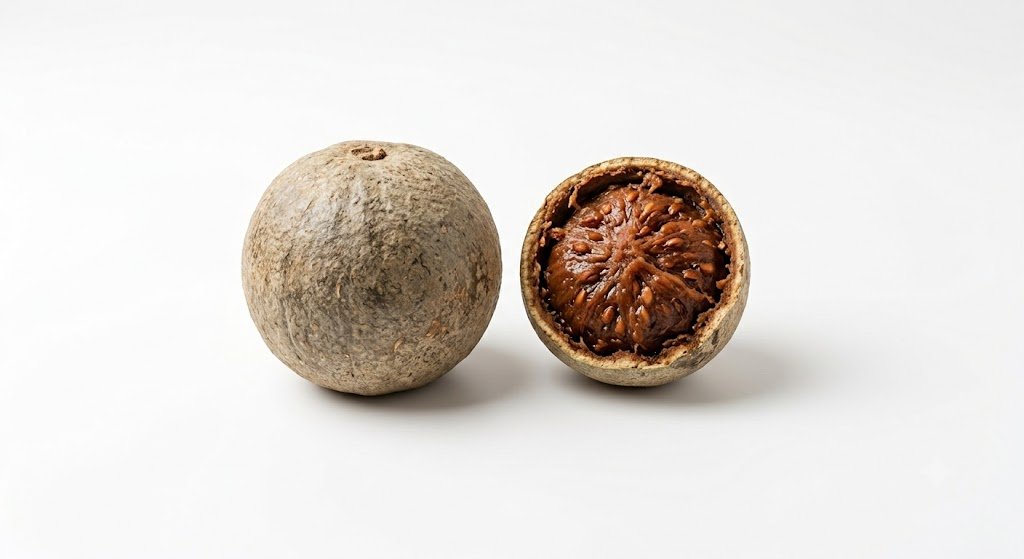

Wood Apple (Limonia acidissima), also known as Elephant Apple, Kaitha, Kavath, or Monkey Fruit, is a nutrient-rich tropical fruit. People value it for its distinctive aroma, hard woody shell, and numerous traditional uses. Native to the Indian subcontinent and Sri Lanka, this crop has been cultivated for centuries. Furthermore, farmers grow it widely across India, Bangladesh, Myanmar, Thailand, and other parts of Southeast Asia.
Rich in dietary fiber, vitamin C, calcium, potassium, antioxidants, and beneficial plant compounds, this produce is widely recognized for supporting digestive health, immunity, heart health, and overall wellness. This guide explores its history, nutritional profile, health benefits, medicinal uses, cultivation, and delicious ways to enjoy this harvest.
Historical Significance & Cultural Importance
The fruit has held an important place in traditional agriculture, cuisine, and wellness practices across South Asia for centuries, as people appreciate it for both its nutritional value and its versatility.
-
Indian Ayurveda: Healers have traditionally used this crop in various preparations to support digestive health and overall well-being.
-
Sri Lankan Tradition: Consumers use the harvest widely in beverages, desserts, and traditional recipes.
-
Southeast Asian Cuisine: People enjoy this produce fresh or blend it into drinks and preserves in several countries.
-
Rural Agriculture: Farmers value the hardy tree for its drought tolerance and ability to thrive in dry regions.
Botanical Description of the Plant
The plant belongs to the Rutaceae family and is scientifically classified as Limonia acidissima.
Plant Characteristics
-
Growth: It is a deciduous tree growing approximately 6–12 meters in height.
-
Leaves: The plant features small, aromatic compound leaves with a citrus-like fragrance.
-
Flowers: Small greenish-white flowers bloom in clusters.
-
Fruit: The round shape features a hard, woody shell enclosing aromatic brown pulp filled with small edible seeds.
Cultivation & Growing Conditions
The crop grows well in tropical and subtropical climates and is highly tolerant of drought.
-
Ideal Temperature: Farmers look for 25–35°C for healthy growth and fruit production.
-
Soil Type: Well-drained sandy loam or loamy soil with a slightly acidic to neutral pH works best.
-
Propagation: Growers commonly propagate it through seeds, budding, or grafting.
-
Harvesting Season: Workers typically gather it from October to February, depending on the region.
Nutritional Profile of the Fruit
Naturally low in complications, the produce provides dietary fiber, vitamins, minerals, and naturally occurring antioxidants that contribute to a balanced diet.
Nutrients (Per 100g Serving)
| Nutrient | Amount | Health Benefits |
| Calories | 134 kcal | Provides natural energy |
| Dietary Fiber | 3.7 g | Supports digestive health |
| Vitamin C | 8 mg | Supports immunity and collagen production |
| Calcium | 130 mg | Supports healthy bones and teeth |
| Potassium | 240 mg | Supports heart and muscle function |
| Iron | 0.6 mg | Supports normal oxygen transport |
| Antioxidants | Naturally Present | Help protect cells from oxidative stress |
Health Benefits
-
Supports Digestive Health: Rich in dietary fiber, it promotes regular bowel movements and healthy digestion as part of a balanced diet.
-
Strengthens the Immune System: Vitamin C supports normal immune function, while antioxidants protect cells from oxidative stress.
-
Supports Heart Health: Potassium assists in maintaining normal blood pressure, and dietary fiber alongside antioxidants contributes to cardiovascular wellness.
-
Supports Bone Health: Calcium contributes to healthy bones and teeth, providing essential minerals for normal skeletal function.
-
Provides Natural Energy: It naturally contains carbohydrates for sustained energy, making it a satisfying food for active lifestyles.
Medicinal & Culinary Uses
-
Fresh Juice: Scoop out the ripe pulp, blend it with chilled water, and sweeten it lightly with jaggery or honey if desired.
-
Smoothie: Combine ripe pulp with yogurt, banana, and a pinch of cardamom for a creamy beverage.
-
Chutney: Mix ripe portions with mint, coriander, green chili, and spices to prepare a tangy condiment.
-
Dessert: Combine the pulp with milk, jaggery, and crushed nuts to create a traditional sweet treat.
Scientific Research
Several scientific studies highlight the value of this tropical produce:
-
It contains naturally occurring polyphenols and antioxidants that help protect cells from oxidative stress.
-
The dietary fiber acts as a good source for supporting digestive health.
-
It supplies vitamins and minerals that contribute to overall nutritional intake.
How to Include It in Your Diet
-
Fresh Pulp: Scoop and enjoy the ripe fruit directly.
-
Beverages: Drink freshly prepared juice as a refreshing drink.
-
Smoothies: Blend it with yogurt or milk.
-
Chutneys & Jams: Serve alongside traditional meals or prepare homemade preserves using ripe pulp.
-
Desserts: Utilize it in puddings, milk-based sweets, and frozen treats.
Side Effects & Precautions
While safe for most people, excessive consumption may cause:
-
Mild digestive discomfort if consumed in large quantities.
-
Increased natural sugar intake from ripe fruit.
-
Rare allergic reactions in sensitive individuals.
Consume only fully ripe fruit, as unripe portions feature a very hard shell and a sour, astringent pulp. Enjoy this unique tropical food as part of a balanced diet to support digestion, immunity, heart health, and overall wellness.