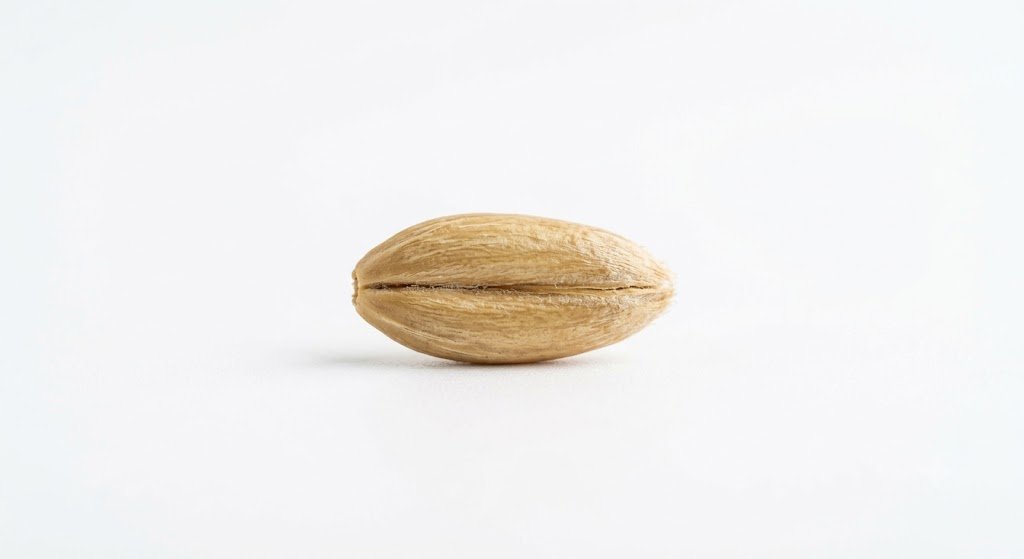

Oats are a highly nutrient-dense whole grain belonging to the grass family (Poaceae). Specifically, the plant is grown globally for its starchy, fiber-rich edible seeds. This unique grain is widely celebrated for its comforting texture and slow-digesting properties. Additionally, it features a beautifully mild, nutty, and highly adaptable flavor profile. For this reason, it has become a major breakfast favorite in many international markets.
Originally, the grain was native to the fertile regions of the Mediterranean and Western Asia. However, it was domesticated much later than wheat or barley. Later on, it spread rapidly across northern Europe due to its exceptional tolerance for cool, wet climates. Today, it is grown extensively across Europe, North America, and parts of Asia. Consequently, it is prized in morning porridges, healthy granola bars, baked breads, and modern plant-based milk alternatives.
Because it is packed with vitamins, minerals, unique soluble fibers, and beneficial plant compounds, this whole grain is highly valued by nutritionists. It offers incredible nutritional density alongside remarkable culinary versatility. Therefore, this comprehensive guide explores its history, nutritional profile, health benefits, traditional uses, cultivation methods, and practical ways to include it in your daily diet.
The History of Oats & Its Cultural Importance
This grain has a unique agricultural history rooted deeply in cool, temperate climates. Over time, it spread across the globe through continuous migration and trade.
Oats Through the Ages
- Ancient Weed Status: Early Greek and Roman civilizations initially viewed the plant as a troublesome weed growing inside primary wheat fields.
- Northern Cultivation: Germanic and Celtic tribes recognized its extreme hardiness early on. Specifically, they valued it as a foundational dietary staple capable of surviving harsh winter climates.
- The Scottish Legacy: It became completely central to Scottish agriculture and culture centuries ago. Consequently, traditional oatcakes and savory porridges became legendary staples of daily survival.
- Modern Superfood Status: The plant evolved into one of the most praised functional grains globally. As a result, it is heavily celebrated in modern cardiovascular and digestive wellness research.
Botanical Description of Oats
Avena sativa belongs to the Poaceae family. For instance, it is closely related to other vital cereal grains like wheat, barley, rye, and rice.
Plant Characteristics
- Growth: It grows naturally as an erect, annual cereal grass plant. Usually, it reaches 0.6 to 1.5 meters in height and features hollow, jointed green stems.
- Leaves: The plant produces flat, elongated, linear green leaves. In addition, these leaves have a slightly rough surface texture and wrap securely around the stem base.
- Inflorescence: It bears a loose, open, branching flower cluster known technically as a panicle. Typically, this delicate structure sways in the wind, holding numerous hanging spikelets.
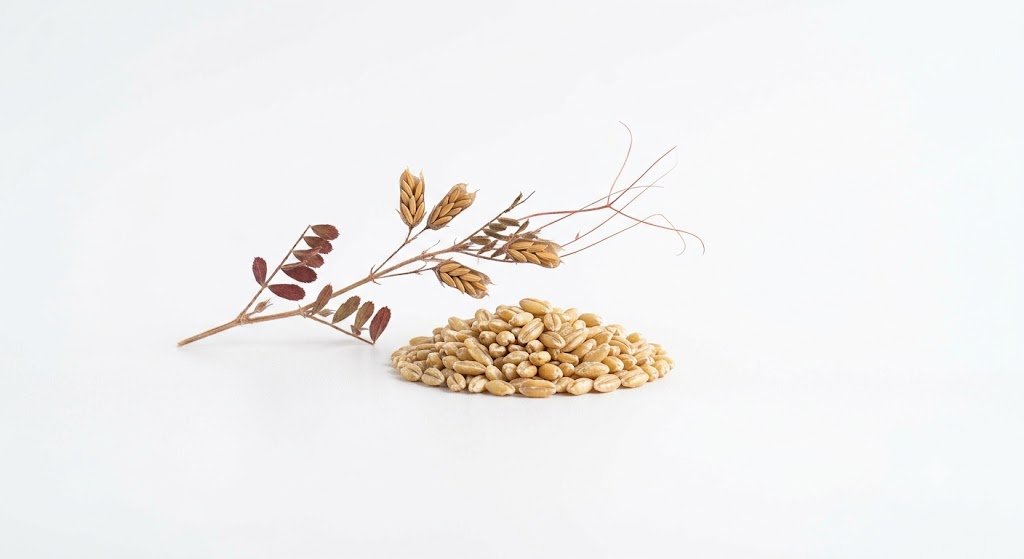
- The Grain: It forms a slender, elongated seed securely enclosed within tough outer protective layers called hulls. Furthermore, when these hulls are removed, the remaining nutrient-rich kernel is called an oat groat.
Growing Conditions
This grain is a hardy, cool-season crop. Therefore, it requires moderate summer temperatures and regular moisture to set high-quality kernels.
- Ideal Temperature: It prefers cool, moist growing climates between 15–22°C for optimal grain development. However, it is highly sensitive to intense, prolonged summer heatwaves.
- Soil Type: It thrives best in well-drained, fertile loamy or clay loam soil. On the other hand, it can tolerate acidic conditions significantly better than wheat or barley can.
- Propagation: It is regularly grown from seeds sown directly into open field beds during early spring or autumn. Nevertheless, uniform moisture is essential during the primary germination phase.
- Harvesting Season: Farmers typically harvest it during the late summer months. Specifically, they cut the crop when the golden seed heads turn dry and snap easily under light pressure.
Nutritional Profile of Oats
This grain is naturally dense in complex carbohydrates. Furthermore, it contains high amounts of unique soluble fiber and essential B vitamins. As a result, it is a favorite among energy-seeking athletes and health-conscious families.
Nutrients (Per 100g Raw Whole Serving)
| Nutrient | Amount | Health Benefits |
| Energy | 389 kcal | Sustainable source of rich, slow-releasing carbohydrate energy |
| Protein | 16.9g | High plant protein density supporting structural cellular repair |
| Dietary Fiber | 10.6g | Rich in beta-glucan fiber to support metabolic metrics |
| Thiamine (B1) | 0.76mg | Vital for nerve function and converting food into cellular energy |
| Iron | 4.72mg | Essential mineral supporting healthy hemoglobin production |
| Magnesium | 177mg | Supports deep muscle relaxation and nervous system health |
| Zinc | 3.97mg | Crucial trace mineral for robust immune cellular defense systems |
Note: Oats are naturally gluten-free; however, trace cross-contamination can occur during standard agricultural processing unless certified gluten-free varieties are selected. (Source: USDA FoodData Central)
Oats Benefits for Your Everyday Health
1. Lowers Cholesterol Levels Effectively
Packed with immense concentrations of beta-glucan, a specialized soluble fiber, it actively forms a gel-like matrix in the gut. Consequently, it assists the body in binding and safely eliminating excess cholesterol.
2. Supports Stable Blood Sugar Management
Features a low glycemic response profile. Because the complex carbohydrate structures break down gradually into the bloodstream, it prevents sudden, sharp insulin spikes.
3. Provides Deep Antioxidant Protection
Contains a unique group of antioxidants called avenanthramides. Specifically, these specialized compounds help reduce inflammation in arterial walls and support healthy blood flow.
4. Promotes Elite Digestive Health
Boasting a rich combination of soluble and insoluble fibers, it encourages consistent bowel motility. In addition, it provides excellent prebiotic nourishment for helpful gut microbes.
5. Supports Long-Lasting Satiety
The unique water-binding capacity of its beta-glucan fiber expands in the stomach. As a result, it keeps you feeling full and satisfied for longer periods between meals.
6. Supports Cardiovascular Wellness
Its unique blend of dietary fiber, minerals, and avenanthramides works closely together. Therefore, it assists the body in maintaining optimal, healthy blood pressure curves.
7. Enhances Breakfasts Naturally
Brings a rich, comforting creaminess and hearty structure to morning meals without requiring artificial thickeners or sweeteners.
Traditional & Modern Culinary Uses for Oats
1. Classic Morning Porridge
First, simmer rolled or steel-cut oats in hot water or milk. Then, stir gently until the fibers absorb the liquid completely into a creamy mixture.
2. Wholesome Homemade Granola
Tossing the whole flakes with raw nuts, cold-pressed oil, and clean spices before baking creates a beautifully crunchy, golden breakfast food.
3. Nutritious Whole Flour Alternative
Grating or pulsing the raw flakes inside a dry blender yields a smooth, gluten-free flour perfect for healthy baking recipes.
4. Refreshing Plant-Based Milk
Blending the soaked whole kernels with clean water and straining the liquid results in a creamy, sustainable dairy alternative.
How to Include Oats in Your Diet
- Creamy Breakfast Bowl – Cook with almond milk, topping the warm porridge with fresh berries and chia seeds.
- Convenient Overnight Jars – Soak rolled oats in yogurt and milk inside a sealed jar overnight to enjoy cold the next morning.
- Superfood Fruit Smoothies – Drop two tablespoons of raw flakes directly into your blender for a thick carbohydrate boost.
- Savory Dinner Porridge – Cook the grain in vegetable broth, finishing with sautéed spinach, mushrooms, and a dash of black pepper.
- Wholesome Energy Bites – Mix raw flakes with natural peanut butter, flaxseeds, and honey, rolling them into convenient snack balls.
Side Effects & Precautions
While generally safe and highly beneficial for most people, certain precautions apply:
- Mild temporary bloating or gas may manifest in individuals whose digestive tracts are unaccustomed to high volumes of incoming dietary fiber.
- Gluten Cross-Sensitivity: Individuals diagnosed with severe celiac disease must look carefully for certified gluten-free labels to avoid agricultural cross-contamination.
- Excessive intake of highly processed instant varieties should be monitored, as they often contain significant amounts of added chemical sugars and sodium.
Ultimately, individuals seeking to maximize their daily wellness benefits should choose steel-cut oats or rolled oats over instant packs to enjoy the least refined grain structure. (Source: Wikipedia: Oats)
Conclusion
In summary, Avena sativa is a nutrient-rich whole grain celebrated for its exceptional beta-glucan profile, heart support, and incredible culinary utility. From simple morning porridges to modern plant milks, savory hashes, and clean energy bites, oats provide an outstanding burst of nutrition and wellness properties to global food cultures. Whether eaten hot on a winter morning or blended cold into fitness recipes, it delivers fantastic life-giving value to a balanced lifestyle.
Therefore, start introducing whole oats into your weekly kitchen rotations. Ultimately, you will enjoy its comforting texture and protective properties as part of a natural, healthy lifestyle.