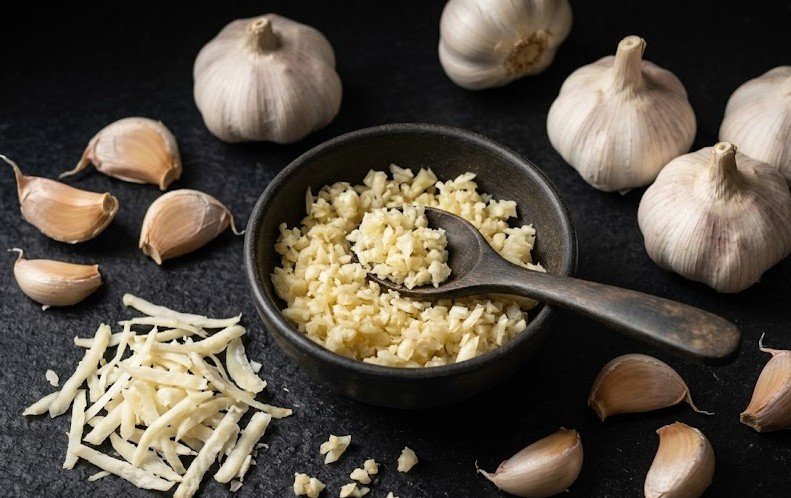

Garlic is a highly nutrient-dense bulbous spice belonging to the amaryllis family (Amaryllidaceae). Specifically, this perennial plant is grown globally for its compound underground bulbs consisting of individual cloves. This historic spice is widely celebrated for its robust antimicrobial properties and its profound impact on cardiovascular health metrics. Additionally, it features a beautifully pungent, sharp, and deeply savory flavor profile. For this reason, it has become a foundational culinary and functional food staple in many international markets.
Originally, the plant was native to the ancient regions of Central Asia and northeastern Iran. However, it was domesticated thousands of years ago during the dawn of early human agriculture. Later on, it spread rapidly across the globe through historic Mediterranean maritime trade networks and ancient silk trade systems. Today, it is grown extensively across China, India, and parts of Europe and the Americas. Consequently, it is prized in classic slow-simmered sauces, vibrant stir-fries, savory marinades, and modern therapeutic cardiovascular supplements.
Because it is packed with essential minerals, unique sulfur compounds, and a dynamic precursor called alliin, this bulb spice is highly valued. It offers incredible nutritional density alongside remarkable culinary versatility. Therefore, this comprehensive guide explores its history, nutritional profile, health benefits, traditional uses, cultivation methods, and practical ways to include it in your daily diet.
The History of Garlic & Its Cultural Importance
This spice has a monumental agricultural history rooted deeply in ancient military and labor tracking frameworks. Over time, it spread across the globe through continuous migration and trade.
Garlic Through the Ages
- The Pyramid Builder Fuel: Ancient Egyptian administrators documented distributing the raw bulbs to massive construction labor forces. Specifically, this practice prevented widespread disease and maintained physical stamina.
- Olympic and Military Rations: Greek and Roman commanders regularly fed the cloves to soldiers before long military campaigns. Similarly, early athletes utilized it as a performance-enhancing agent before entering arenas.
- Traditional Healing Integration: Ancient Eastern medical manuals heavily featured the potent properties of the fresh bulb. As a result, practitioners relied on it to counter seasonal cold spells and clear internal systemic blockages.
- Modern Biochemical Discovery: Global scientists isolated its primary sulfur-driven active molecule, allicin, in the mid-20th century. Consequently, it is heavily celebrated in contemporary immunology and heart health research fields.
Botanical Description of Garlic
Allium sativum belongs to the Amaryllidaceae family. For instance, it is closely related to other unique, aromatic bulb crops like onions, leeks, shallots, and chives.
Plant Characteristics
- Growth: It grows naturally as an erect annual or biennial herbaceous plant. Usually, it reaches 45 to 60 cm in height, producing linear, flat green leaves that form a central pseudostem.
- Flowers: It bears dense, spherical flower heads displaying tiny pink or white blossoms on a tall flower stalk. Typically, these stalks are cut back early by farmers as edible garlic scapes.
- The Bulb: It forms a compound bulb structure securely wrapped in multiple layers of papery white, pink, or purple skin. Furthermore, each complete bulb safely encases 10 to 20 individual segmented cloves.
- The Clove: Slicing open a raw clove reveals a crisp, pale cream-colored internal flesh. Specifically, this flesh contains separate chemical compartments that mix together to create allicin only when structurally crushed or damaged.
Growing Conditions
This plant is a hardy, temperate crop. Therefore, it requires a distinct period of cold seasonal winter exposure to successfully trigger proper bulb segmentation.
- Ideal Temperature: It prefers cool early growing climates between 10–20°C for optimal leaf development. However, it requires warm summer templates to properly dry out the mature outer papery skins.
- Soil Type: It thrives best in well-drained, loose sandy loam or silty loam soil rich in organic matter. On the other hand, it cannot tolerate waterlogged fields or heavy clay that deforms developing bulbs.
- Propagation: It is regularly grown from individual cloves planted manually into field rows during late autumn. Specifically, farmers position the root end facing down to establish structural stability before winter freezes.
- Harvesting Season: Farmers typically harvest it during the mid-summer months. Specifically, they pull up the entire bulb when the lower green leaves turn yellow-brown and begin to drop.
Nutritional Profile of Garlic
This bulb spice is naturally dense in active trace elements. Furthermore, it contains high amounts of essential minerals, unique organic sulfur compounds, and protective vitamins. As a result, it is a favorite among active individuals and families seeking immune resilience.
Nutrients (Per 100g Fresh Raw Cloves Serving)
| Nutrient | Amount | Health Benefits |
| Energy | 149 kcal | Natural source of concentrated, slow-releasing metabolic energy |
| Protein | 6.4g | High plant protein density supporting structural cellular repair |
| Dietary Fiber | 2.1g | Supplies trace fiber pathways for overall gastrointestinal health |
| Manganese | 1.7mg | Essential trace mineral supporting optimal bone metabolism |
| Vitamin B6 | 1.2mg | Vital for normal neurotransmitter functions and energy cycles |
| Vitamin C | 31.2mg | Robust trace vitamin supporting immune defense mechanisms |
| Selenium | 14.2µg | Critical antioxidant trace mineral for healthy thyroid metabolism |
Note: The primary active organic compound, allicin, does not actually exist in intact cloves; it forms instantly via enzyme reactions when the cells are crushed. (Source: USDA FoodData Central)
Garlic Benefits for Your Everyday Health
1. Supports Cardiovascular Wellness
Packed with massive concentrations of active sulfur compounds, it actively helps relax smooth vascular muscle structures. Consequently, it assists the body in maintaining optimal, healthy blood pressure curves and arterial health.
2. Strengthens Immune Cell Defenses
Features an exceptionally high volume of natural organosulfur compounds. Because these compounds stimulate white blood cell production, they help shorten the duration of seasonal winter cold spells.
3. Delivers Deep Antioxidant Action
Its natural active molecules work efficiently with protective internal cellular enzymes. As a result, it assists the body in neutralizing chronic free radicals and shielding cellular structures from oxidative damage.
4. Maintains Healthy Cholesterol Balance
The abundant volatile elements work closely with liver enzyme tracking models. For example, it helps support healthy balances of low-density lipoproteins without altering protective high-density profiles.
5. Enhances Meals Naturally
Brings a deep, savory, complex aroma, and unparalleled rich depth to daily home cooking without requiring artificial synthetic flavor enhancers.
Traditional & Modern Culinary Uses for Garlic
1. Aromatic Flavor Foundations
First, crush three fresh garlic cloves thoroughly and let them rest for ten minutes. Then, sauté gently in warm olive oil with chopped onions to build a foundational base for Mediterranean sauces.
2. Rich Roasted Garlic Spread
Cutting the top off a whole bulb exposes the internal cloves. Consequently, drizzling it with cold-pressed avocado oil and roasting at 200°C yields a soft, sweet, spreadable paste.
3. Invigorating Warm Broths
Simmering multiple crushed cloves in a pot of vegetable broth along with fresh ginger creates a clean soup. As a result, you achieve a comforting tonic perfect for seasonal immune support.
4. Zesty Raw Dressing Twists
Grating half a fresh raw clove straight into a blend of olive oil, lemon juice, and sea salt provides a sharp bite that pairs beautifully with fresh green salads.
How to Include Garlic in Your Diet
- The Crush and Rest Rule: Always crush, mince, or chop your fresh garlic and let it sit for 10 minutes before cooking; specifically, this crucial pause allows the enzyme alliinase to fully produce active allicin, which heat otherwise destroys instantly.
- Daily Base Boost – Stir a fresh minced clove into your homemade bean dips or hummuses to maximize raw therapeutic intake.
- Hearty Roasted Greens – Toss fresh minced garlic with chopped broccoli or kale before stir-frying.
- Nutritious Bread Toppings – Rub a raw peeled clove directly onto hot, toasted whole-grain sourdough slices.
- Savory Soup Thickeners – Blend roasted sweet garlic directly into your simmering vegetable lentil purees.
Side Effects & Precautions
While safe and highly beneficial for the general population, certain precautions apply:
- Consuming large amounts of raw cloves on an empty stomach may cause mild temporary heartburn or minor stomach lining irritation.
- Therapeutic Guidance: Garlic displays natural mild anti-platelet activity; therefore, individuals monitoring active blood-thinning therapies should consult their physician before taking high-dose isolated garlic oil supplements.
- Cooking the cloves whole without crushing them completely prevents allicin development, rendering the spice far less therapeutic.
Ultimately, individuals seeking to maximize their daily health advantages must utilize the crush-and-rest method before cooking to protect their system. (Source: Wikipedia: Garlic)
Conclusion
In summary, Allium sativum is a nutrient-rich bulb spice celebrated for its exceptional allicin capability, cardiovascular defense, and unparalleled culinary utility. From simple everyday aromatic bases to modern roasted spreads and immune broths, garlic continues to reign as a vital foundational superfood across the earth. Whether eaten as a raw zesty clove or a mellow roasted paste, it delivers fantastic life-giving value to a balanced lifestyle.
Therefore, start introducing fresh garlic varieties into your weekly diet planning using the proper prep method. Ultimately, you will enjoy its distinctively rich flavor and protective properties as part of a natural, healthy lifestyle.