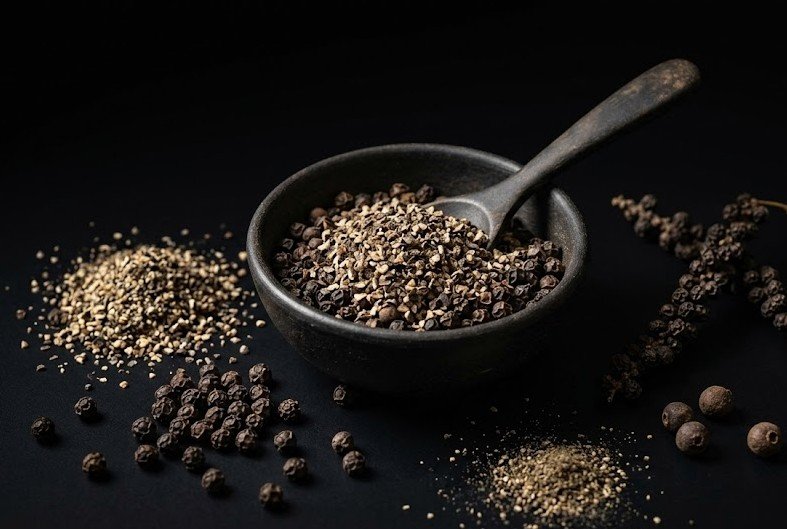

Black pepper is a highly nutrient-dense spice belonging to the pepper family (Piperaceae). Specifically, this climbing woody vine is grown globally for its small, spherical, pungent stone fruits known as peppercorns. This historic spice is widely celebrated for its profound ability to dramatically boost the bio-availability of other vital nutrients. Additionally, it features a beautifully sharp, piney, and intensely warming flavor profile. For this reason, it has become a foundational culinary and functional food staple in many international markets.
Originally, the plant was native to the lush, tropical Malabar Coast of southwestern India. However, it was domesticated thousands of years ago during early agricultural periods. Later on, it spread rapidly across the globe through ancient Roman maritime networks and historic spice routes. Today, it is grown extensively across Vietnam, Brazil, Indonesia, and India. Consequently, it is prized in comforting hot stews, savory marinades, everyday table shakers, and modern therapeutic wellness formulations.
Because it is packed with essential minerals, protective volatile oils, and a unique alkaloid compound called piperine, this fruit spice is highly valued. It offers incredible nutritional density alongside remarkable culinary versatility. Therefore, this comprehensive guide explores its history, nutritional profile, health benefits, traditional uses, cultivation methods, and practical ways to include it in your daily diet.
The History of Black Pepper & Its Cultural Importance
This spice has a monumental agricultural history rooted deeply in global economics and early exploration frameworks. Over time, it spread across the globe through continuous migration and trade.
Black Pepper Through the Ages
- The Black Gold Currency: Ancient Mediterranean administrators highly valued the dried peppercorns as a luxury asset. Specifically, historic armies and kings regularly utilized it like physical gold to pay massive ransoms.
- Pharaonic Preservation Rites: Early human societies imported the spice across long ocean routes to ancient Egypt. Consequently, archaeologists discovered peppercorns tucked securely inside the nostrils of mummies like King Ramesses II.
- The Age of Discovery Catalyst: European explorers launched historical maritime voyages strictly to bypass hostile land trade monopolies. Therefore, the search for this sharp berry directly driven the global mapping of new continents.
- Modern Bioavailability Science: Global scientists isolated its primary active alkaloid, piperine, in the late 20th century. As a result, it is heavily celebrated in contemporary pharmacology for maximizing nutrient absorption curves.
Botanical Description of Black Pepper
Piper nigrum belongs to the Piperaceae family. For instance, it is completely separate from chili peppers or bell peppers, which belong to the nightshade botanical branch.
Plant Characteristics
- Growth: It grows naturally as a perennial, woody climbing vine. Usually, it reaches 4 meters or more in height by using aerial roots to anchor onto support trees or poles.
- Leaves: The plant produces large, alternate, heart-shaped green leaves. In addition, these glossy leaves feature smooth margins and display clear parallel vein architectures.
- Flowers: It bears tiny, pendulous flower spikes holding numerous minuscule blossoms. Typically, these pendulous green strands rely on heavy humidity and rainfall to successfully self-pollinate.
- The Fruit: It forms dense hanging clusters of small green berries that turn bright red when ripening. Furthermore, harvesting them at different maturity phases yields black, green, or white pepper options.
Growing Conditions
This plant is a strict tropical rainforest crop. Therefore, it requires warm seasonal temperatures, abundant annual rainfall, and filter-dappled shade templates to set high-quality berries.
- Ideal Temperature: It prefers warm growing climates between 23–32°C for optimal vine extension. However, it is highly sensitive to dry drafts, cold spells, and freezing soils.
- Soil Type: It thrives best in well-drained, loose volcanic or loamy soil rich in humic organic matter. On the other hand, it cannot tolerate waterlogged roots or heavy, compacted clay beds.
- Propagation: It is regularly grown from structural vine cuttings rooted safely in nursery beds before field transplanting. Specifically, providing adequate climbing trellises is vital for growth.
- Harvesting Season: Farmers typically harvest the green berries just before they fully ripen to red. Specifically, they sun-dry them until the outer skin wrinkles and turns a dark black color.
Nutritional Profile of Black Pepper
This fruit spice is naturally dense in unique bio-enhancing organic compounds. Furthermore, it contains high amounts of essential minerals, dietary fiber, and protective vitamins. As a result, it is a favorite among active individuals seeking to optimize their daily food tracking.
Nutrients (Per 100g Ground Whole Spice Serving)
| Nutrient | Amount | Health Benefits |
| Energy | 251 kcal | Natural source of slow-releasing metabolic energy |
| Protein | 10.4g | Supplies basic structural plant building blocks for cells |
| Dietary Fiber | 25.3g | Massive fiber volume supporting exceptional digestive tracking |
| Manganese | 5.6mg | Massive mineral volume supporting optimal bone metabolism |
| Iron | 28.9mg | High mineral volume supporting healthy red blood cell production |
| Calcium | 443mg | Crucial mineral for skeletal density and cellular signaling |
| Vitamin K | 163µg | Vital vitamin supporting healthy blood clotting pathways |
Note: The primary active alkaloid, piperine, gives the spice its signature biting pungency while safely modifying gut metabolic pathways. (Source: USDA FoodData Central)
Black Pepper Benefits for Your Everyday Health
1. Boosts Nutrient Absorption Drastically
Packed with massive concentrations of active piperine, it temporarily downregulates metabolic enzymes in the liver and gut. Consequently, it assists the body in increasing the bio-availability of compounds like turmeric’s curcumin by up to 2000 percent.
2. Stimulates Robust Digestion
Features a high capacity to trigger local sensory systems. Because it signals the stomach to increase hydrochloric acid secretion, it helps smooth out the breakdown of complex proteins.
3. Provides Deep Antioxidant Defense
Its natural piperine molecules work efficiently with protective internal cellular loops. As a result, it assists the body in neutralizing chronic free radicals and shielding cellular structures from oxidative stress.
4. Supports Healthy Weight Management
The abundant matrix of active volatile oils works closely with metabolic tissues. For example, it helps support natural thermogenic energy pathways and limits the expansion of new fat cell pathways.
5. Enhances Meals Naturally
Brings a sharp, bold heat, woody aroma, and unmistakable savory finish to daily home cooking without introducing artificial synthetic additives.
Traditional & Modern Culinary Uses for Black Pepper
1. Fresh Cracked Accent Seasonings
First, fill a manual spice mill with whole organic black peppercorns. Then, twist freshly cracked flakes directly onto finished hot meals to preserve volatile aromatics.
2. Traditional Cacio e Pepe Pasta
Combining freshly toasted black pepper flakes with hot pasta water and Pecorino Romano cheese yields a beautiful emulsion. As a result, you achieve a world-famous, creamy Italian classic.
3. Warming Winter Broths
Simmering whole peppercorns inside a pot of hot vegetable broth along with fresh garlic creates a clean soup base. Consequently, it acts as an excellent, throat-soothing daily tonic.
4. Nutritious Turmeric Pairings
Stirring a pinch of freshly ground black pepper alongside turmeric into your morning golden milks allows the body to fully utilize the therapeutic plant compounds.
How to Include Black Pepper in Your Diet
- The Fresh Whole Peppercorn Rule: Always buy whole peppercorns and crack them fresh at the table; specifically, pre-ground commercial pepper loses its active volatile oils and therapeutic piperine content over months on shelves.
- The Bio-enhancer Habit: Add a tiny pinch of fresh pepper to any meal containing turmeric, green tea, or berries to maximize nutrient capture.
- Zesty Roasted Vegetables – Toss fresh cracked pepper with olive oil and root vegetables before baking.
- Hearty Morning Bowls – Sprinkle a light dusting over sliced fresh avocados or savory hot oatmeal.
- Nutritious Dressing Bases – Whisk fresh pepper into cold-pressed olive oil, apple cider vinegar, and sea salt.
Side Effects & Precautions
While safe and highly beneficial for the general population, certain precautions apply:
- Consuming enormous amounts of dry ground pepper in a single sitting may cause mild temporary throat tickling or stomach lining irritation.
- Medication Note: Because piperine dramatically alters how the body absorbs external compounds, individuals taking critical prescribed pharmaceutical therapies should monitor concentrated piperine supplement intake.
- Spraying or dropping dry pepper near the face should be avoided, as it triggers intense local nasal irritation and sneezing loops.
Ultimately, individuals seeking to maximize their daily health advantages must prioritize fresh-cracked whole peppercorns over stale pre-ground alternatives. (Source: Wikipedia: Black Pepper)
Conclusion
In summary, Piper nigrum is a nutrient-rich spice celebrated for its exceptional piperine capability, nutrient bio-enhancement, and unparalleled culinary utility. From simple table seasonings to classic Italian pastas and warming winter broths, black pepper continues to reign as the ultimate king of spices across the earth. Whether eaten as a fine powder or a bold cracked flake, it delivers fantastic life-giving value to a balanced lifestyle.
Therefore, start introducing fresh-cracked black pepper varieties into your weekly diet planning alongside target superfoods. Ultimately, you will enjoy its distinctively rich flavor and protective properties as part of a natural, healthy lifestyle.