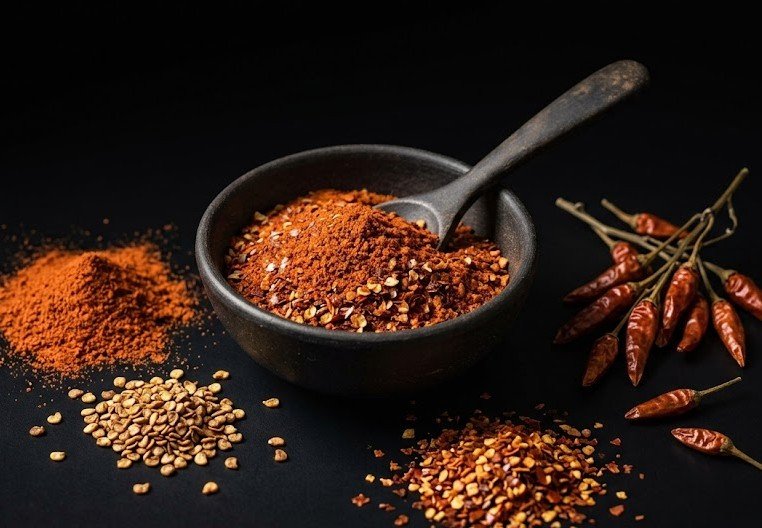

Cayenne pepper is a highly nutrient-dense spice belonging to the nightshade family (Solanaceae). Specifically, this sub-tropical herbaceous plant is grown globally for its elongated, fiery red chili fruits. This historic spice is widely celebrated for its remarkable ability to stimulate thermogenesis (heat production in the body) and optimize cardiovascular blood flow. Additionally, it features a beautifully sharp, intense, and deeply pungent flavor profile. For this reason, it has become a foundational culinary and functional food staple in many international markets.
Originally, the plant was native to the ancient tropical regions of Central and South America. However, it was domesticated thousands of years ago by early indigenous farming civilizations. Later on, it spread rapidly across the globe through early Spanish exploration networks and historic global maritime spice routes. Today, it is grown extensively across India, China, Mexico, and the United States. Consequently, it is prized in vibrant hot sauces, comforting winter stews, spicy marinades, and modern therapeutic thermogenic supplements.
Because it is packed with essential vitamins, active carotenoids, and a unique bioactive alkaloid called capsaicin, this fruit spice is highly valued. It offers incredible nutritional density alongside remarkable culinary versatility. Therefore, this comprehensive guide explores its history, nutritional profile, health benefits, traditional uses, cultivation methods, and practical ways to include it in your daily diet.
The History of Cayenne Pepper & Its Cultural Importance
This spice has a profound agricultural history rooted deeply in ancient native American trading structures. Over time, it spread across the globe through continuous migration and trade.
Cayenne Pepper Through the Ages
- Ancient Mesoamerican Origins: Archaeological findings confirm that early human societies cultivated the wild variants around 5000 BCE in Mexico. Specifically, this breakthrough provided a vital daily digestive aid for early indigenous communities.
- The Colombian Exchange Catalyst: Spanish explorers encountered the fiery pods while searching for black peppercorns in the 15th century. Consequently, they quickly distributed the seeds across Europe, Africa, and Asian port cities.
- South Asian Integration: The crop integrated into traditional regional cooking frameworks with astonishing speed. Therefore, it established itself as a premier everyday source of heat and culinary depth for vast populations.
- Modern Thermogenic Science: Global scientists isolated its primary active molecule, capsaicin, in the late 20th century. As a result, it is heavily celebrated in contemporary metabolic tracking and natural pain relief research fields.
Botanical Description of Cayenne Pepper
Capsicum annuum belongs to the Solanaceae family. For instance, it is closely related to other vital garden crops like tomatoes, eggplants, bell peppers, and potatoes.
Plant Characteristics
- Growth: It grows naturally as a small, branching, perennial herbaceous shrub that is typically cultivated as an annual in temperate zones. Usually, it reaches 0.5 to 1 meter in height and features smooth green stems.
- Leaves: The plant produces alternate, simple, ovate green leaves. In addition, these leaves feature smooth margins and terminate in a sharp, pointed tip.
- Flowers: It bears solitary, small white or greenish-white blossoms arranged at leaf junctions. Typically, these self-pollinating flowers give rise to long, hanging fruit pods.
- The Fruit: It forms a slender, elongated, tapered pod measuring 10 to 25 cm in length. Furthermore, the pod changes color from deep green to a striking, brilliant red when fully mature, encasing numerous flat cream-colored seeds.
Growing Conditions
This plant is a sun-loving, warm-season crop. Therefore, it requires warm seasonal temperatures, abundant sunshine, and moderate moisture to develop maximum internal capsaicin density.
- Ideal Temperature: It prefers warm growing climates between 21–30°C for optimal fruit development. However, it is highly sensitive to cool drafts, heavy frosts, and waterlogged soils.
- Soil Type: It thrives best in well-drained, loose sandy loam or loamy soil rich in organic matter. On the other hand, it cannot tolerate highly compacted, wet clay that rots delicate root structures.
- Propagation: It is regularly grown from seeds started indoors in nursery trays and then transplanted into open field beds during late spring. Specifically, uniform solar heat is vital during the primary ripening phase.
- Harvesting Season: Farmers typically harvest the pods when they turn completely firm and red. Specifically, they clip the fruits manually and sun-dry them before grinding them into a fine powder.
Nutritional Profile of Cayenne Pepper
This fruit spice is naturally dense in unique heat-generating compounds. Furthermore, it contains high amounts of protective antioxidant vitamins, essential minerals, and dietary fiber. As a result, it is a favorite among active individuals seeking to optimize their daily metabolic tracking.
Nutrients (Per 100g Ground Whole Spice Serving)
| Nutrient | Amount | Health Benefits |
| Energy | 318 kcal | Natural source of concentrated, slow-releasing metabolic energy |
| Protein | 12.0g | Supplies basic structural plant building blocks for cells |
| Dietary Fiber | 27.2g | Massive fiber volume supporting exceptional digestive tracking |
| Vitamin A | 41610 IU | Massive vitamin volume supporting optimal vision and skin health |
| Vitamin C | 76.4mg | High vitamin volume supporting robust immune cellular defense |
| Vitamin E | 29.8mg | Powerful fat-soluble antioxidant protecting cell membranes |
| Potassium | 2014mg | Regulates healthy fluid balances and cardiovascular metrics |
Note: The primary active alkaloid, capsaicin, concentrates heavily within the internal white placental ribs of the fruit, generating its intense heat signature. (Source: USDA FoodData Central)
Cayenne Pepper Benefits for Your Everyday Health
1. Safely Boosts Metabolic Rate
Packed with massive concentrations of active capsaicin, it directly stimulates the body’s sympathetic nervous system. Consequently, it assists the body in increasing thermogenic energy expenditure and burning extra calories naturally.
2. Supports Cardiovascular Wellness
Features an exceptional ability to promote healthy blood circulation metrics. Because it helps dilate blood vessels and clear arterial resistance, it assists the body in maintaining optimal blood pressure curves.
3. Promotes Elite Digestive Comfort
Its natural capsaicin molecules work efficiently with stomach lining cells. Contrary to popular myths, it helps stimulate the secretion of protective gastric juices and increases local blood flow to shield the digestive tract.
4. Provides Deep Antioxidant Defense
Contains notable amounts of Vitamin C, Vitamin E, and beta-carotene. Specifically, these specialized compounds work in perfect synergy to neutralize free radicals and protect tissues from oxidative damage.
5. Reduces Cellular Appetite Signalling
The abundant volatile elements work closely with internal satiety hormones. For example, incorporating a small amount into early morning meals helps reduce the urge to overeat throughout the day.
Traditional & Modern Culinary Uses for Cayenne Pepper
📝 1. Vibrant Hot Sauce Bases
First, blend fresh cayenne chilies with garlic, sea salt, and white vinegar. Then, age the mixture briefly before straining it to create a classic, zesty hot sauce perfect for daily meals.
2. Aromatic Warming Stews
Combining a pinch of ground cayenne powder with cumin, garlic, and hot olive oil yields a beautiful baseline. As a result, you achieve a rich, warming depth that pairs perfectly with hearty bean dishes.
3. Invigorating Morning Tonics
Stirring a tiny pinch of ground cayenne alongside fresh lemon juice into warm water creates a clean morning beverage. Consequently, it acts as an excellent, circulation-boosting daily tonic.
4. Spicy Dark Chocolate Blends
Adding a minuscule dusting of the red powder to melted dark chocolate allows the sweet and spicy flavors to blend beautifully, creating an ancient Mayan-style treat.
How to Include Cayenne Pepper in Your Diet
- The Tiny Pinch Rule: Start with a very small amount (a mere sixteenth of a teaspoon) and increase your tolerance gradually; specifically, the body naturally builds a tolerance to capsaicin over time without losing metabolic benefits.
- Daily Base Boost – Whisk a pinch of cayenne into your homemade oil-and-vinegar salad dressings to maximize metabolic activity.
- Hearty Roasted Root Vegetables – Toss ground cayenne with sweet potatoes, olive oil, and sea salt before baking.
- Nutritious Soup Booster – Drop a pinch of the spice into your simmering lentil soups to add a beautiful layer of clean heat.
- Spicy Dry Rubs – Combine cayenne with smoked paprika, garlic powder, and black pepper to season plant proteins.
Side Effects & Precautions
While safe and highly beneficial for the general population, certain precautions apply:
- Consuming excessive amounts of the ground spice in a single sitting may cause mild temporary stomach burning, sweating, or local digestive irritation.
- Handling Warning: Raw cayenne oils adhere strongly to skin tissues; therefore, always wash your hands thoroughly with soap after handling fresh chilies, and strictly avoid touching your eyes.
- Individuals managing active stomach ulcers or severe acid reflux complications should monitor their intake of high-heat spices carefully.
Ultimately, individuals seeking to maximize their daily health advantages must prioritize small, regular culinary doses over massive isolated capsule forms. (Source: Wikipedia: Cayenne Pepper)
Conclusion
In summary, Capsicum annuum is a nutrient-rich spice celebrated for its exceptional capsaicin profile, metabolic activation, and unparalleled culinary utility. From simple everyday hot sauces to morning tonics and warming stews, cayenne pepper continues to reign as a vital foundational superfood across the earth. Whether eaten as a fresh chili or a vibrant ground powder, it delivers fantastic life-giving value to a balanced lifestyle.
Therefore, start introducing a pinch of cayenne pepper into your weekly diet planning alongside target superfoods. Ultimately, you will enjoy its distinctively rich heat and protective properties as part of a natural, healthy lifestyle.