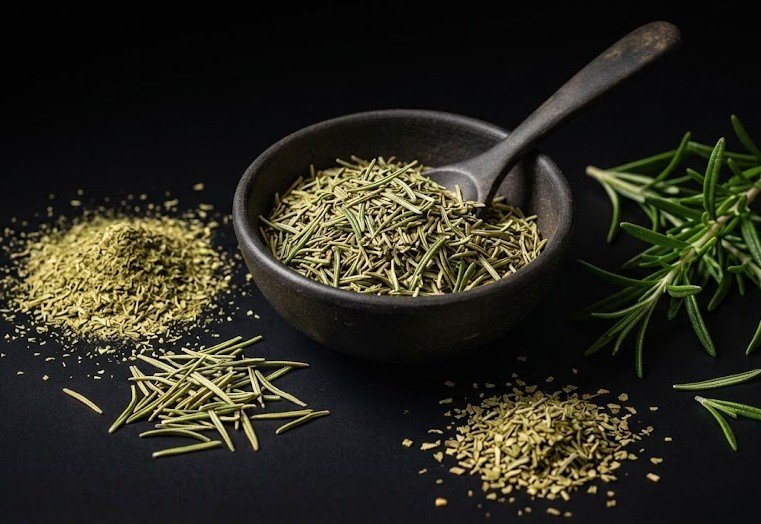

Rosemary is a highly nutrient-dense aromatic herb belonging to the mint family (Lamiaceae). Specifically, this woody, perennial shrub is grown globally for its fragrant, needle-like green leaves. This historic herb is widely celebrated for its remarkable ability to enhance cognitive performance, optimize memory retention, and deliver dense cellular protection. Additionally, it features a beautifully bold, pine-like, woodsy, and slightly citrusy flavor profile. For this reason, it has become a foundational culinary and functional food staple in many international markets.
Originally, the plant was native to the rocky, sun-drenched cliffs of the Mediterranean basin. However, it was domesticated thousands of years ago during early classical civilizations. Later on, it spread rapidly across Europe, Asia, and the Americas through ancient maritime trade networks and monastic garden systems. Today, it is grown extensively across Spain, France, Tunisia, and the United States. Consequently, it is prized in rustic roasted dishes, comforting herbal infusions, infused cooking oils, and modern therapeutic cognitive supplements.
Because it is packed with essential volatile oils, active diterpenes, and a unique bioactive polyphenol called rosmarinic acid, this herb is highly valued. It offers incredible nutritional density alongside remarkable culinary versatility. Therefore, this comprehensive guide explores its history, nutritional profile, health benefits, traditional uses, cultivation methods, and practical ways to include it in your daily diet.
The History of Rosemary & Its Cultural Importance
This herb has a profound agricultural history rooted deeply in ancient classical mythology and memory tracking frameworks. Over time, it spread across the globe through continuous migration and trade.
Rosemary Through the Ages
- The Herb of Remembrance: Ancient Greek and Roman scholars regularly wore wreaths of the fresh herb around their brows while studying. Specifically, this historic practice was believed to sharpen mental clarity and reinforce long-term memory pathways.
- Monastic Apothecary Gardens: Medieval monks distributed the plant across Northern Europe during Charlemagne’s agricultural reforms. Consequently, it quickly became a core component in early European apothecary remedies and protective clearing rituals.
- The Queen of Hungary’s Water: Renaissance alchemists formulated early distilled elixirs featuring the fresh leaves to treat paralysis and gout. Therefore, it achieved legendary status across royal courts as an unmatched anti-aging beauty tonic.
- Modern Cognitive Science: Global scientists isolated its primary active molecules, carnosic acid and rosmarinic acid, in the late 20th century. As a result, it is heavily celebrated in contemporary neurological research for shielding brain cell pathways from oxidative damage.
Botanical Description of Rosemary
Salvia rosmarinus belongs to the Lamiaceae family. For instance, it is closely related to other vital aromatic culinary crops like thyme, oregano, basil, sage, and lavender.
Plant Characteristics
- Growth: It grows naturally as an erect, highly branching, evergreen woody perennial shrub. Usually, it reaches 1 to 2 meters in height and develops tough, scaly gray bark on mature branches.
- Leaves: The plant produces narrow, linear, needle-like leaves measuring 2 to 4 cm in length. In addition, these dark green leaves feature a leathery texture on top and a white, downy underside packed with oil glands.
- Flowers: It bears small, delicate, two-lipped blossoms arranged in dense clusters along the upper stalks. Typically, these blossoms open in beautiful shades of pale blue, white, or purple, relying heavily on honeybees for pollination.
- The Root System: It forms a deeply penetrating, fibrous, and highly resilient root architecture. Furthermore, this structural setup allows the plant to anchor securely into rocky soils and survive prolonged dry spells.
Growing Conditions
This plant is a rugged, maritime crop. Therefore, it requires abundant daily sunshine, excellent drainage, and moderate temperatures to develop maximum internal essential oil density.
- Ideal Temperature: It prefers warm growing climates between 20–30°C for optimal leaf development. However, mature, well-established plants display excellent tolerance to winter drafts, provided the soil remains completely dry.
- Soil Type: It thrives best in well-drained, loose sandy loam or rocky calcareous soil with a neutral to alkaline pH. On the other hand, it cannot tolerate waterlogged roots or heavy, compacted wet clay that triggers root rot.
- Propagation: It is regularly grown from structural stem cuttings rooted safely in sandy nursery beds rather than seeds. Specifically, growers prioritize trimming the tips regularly to encourage dense, bushy foliage production.
- Harvesting Season: Farmers typically harvest the leaves continuously throughout the active spring and summer months. Specifically, they clip the tender green shoots manually and bundle them for fresh sale or air-drying.
Nutritional Profile of Rosemary
This aromatic herb is naturally dense in unique neurological protecting compounds. Furthermore, it contains high amounts of dietary fiber, essential iron, and protective antioxidant vitamins. As a result, it is a favorite among active individuals seeking to optimize their daily cognitive tracking.
Nutrients (Per 100g Dried Ground Leaf Serving)
| Nutrient | Amount | Health Benefits |
| Energy | 331 kcal | Natural source of concentrated, slow-releasing metabolic energy |
| Protein | 4.9g | Supplies basic structural plant building blocks for cellular health |
| Dietary Fiber | 42.6g | Massive fiber volume supporting exceptional gastrointestinal tracking |
| Iron | 29.3mg | High mineral volume supporting healthy red blood cell production |
| Calcium | 1280mg | Massive mineral volume supporting skeletal density and cell signaling |
| Vitamin C | 61.2mg | High vitamin volume supporting robust immune cellular defense |
| Manganese | 2.9mg | Essential trace mineral supporting optimal bone metabolism |
Note: The primary active diterpenes, such as carnosic acid and carnosol, act as powerful fat-soluble antioxidants that readily cross the blood-brain barrier to protect neural tissues. (Source: USDA FoodData Central)
Rosemary Benefits for Your Everyday Health
1. Enhances Cognitive Performance and Focus
Packed with massive concentrations of active volatile compounds like 1,8-cineole, it directly interacts with neurotransmitter pathways in the brain. Consequently, it assists the body in increasing alertness, processing speed, and memory recall accuracy naturally.
2. Provides Deep Antioxidant Defense
Features an exceptional volume of rosmarinic acid and carnosol. Because these specialized compounds aggressively neutralize free radicals, they help shield vascular and brain cells from chronic oxidative stress.
3. Supports Healthy Digestive Comfort
Its natural bitter compounds and essential oils work efficiently with the gastrointestinal tract. Specifically, it helps stimulate the production of healthy digestive juices and relaxes smooth intestinal muscles to clear post-meal bloating.
4. Promotes Cardiovascular Wellness
The abundant active molecules work in perfect synergy with circulatory systems. For example, it helps support optimal blood circulation metrics, reinforces capillary walls, and protects blood lipids from oxidizing.
5. Enhances Meals Naturally
Brings a deep, woodsy aroma, robust piney depth, and unmistakable savory finish to daily home cooking without introducing artificial synthetic preservatives.
Traditional & Modern Culinary Uses for Rosemary
1. Classic Infused Herb Oils
First, pack a clean glass jar with fresh, thoroughly dried rosemary sprigs. Then, submerge them completely in cold-pressed extra virgin olive oil and let it steep for two weeks to create a rich, cardioprotective cooking base.
2. Aromatic Roasted Root Vegetables
Combining fresh minced rosemary leaves with cubed sweet potatoes, garlic, and sea salt yields a beautiful baseline. Consequently, baking them at high heat produces a beautifully carmelized side dish.
3. Revitalizing Memory Teas
Steeping a single fresh sprig or a teaspoon of dried leaves in hot water for ten minutes creates a clean beverage. Consequently, it acts as an excellent, focus-boosting daily brain tonic.
4. Hearty Legume Seasonings
Dropping a whole sprig straight into slow-simmered green lentil stews allows the broth to absorb a subtle, Mediterranean depth that pairs beautifully with earthy pulses.
How to Include Rosemary in Your Diet
- The Mincing Rule: Always mince fresh needles very finely before adding them to raw dishes; specifically, the leaves possess a tough, fibrous structure that releases maximum aromatic oils when chopped thoroughly.
- Daily Focus Boost – Keep a sprig of fresh rosemary near your workspace; specifically, inhaling the volatile aroma naturally increases concentration levels during mental tasks.
- Hearty Morning Bowls – Stir a tiny pinch of finely minced rosemary into your savory morning oats or avocado mashes.
- Nutritious Soup Booster – Drop a whole sprig into your simmering split pea soups to add a beautiful layer of clean herbal depth.
- Savory Bread Infusions – Press whole rosemary leaves and sea salt into your homemade gluten-free focaccia doughs before baking.
Side Effects & Precautions
While safe and highly beneficial for the general population in standard culinary amounts, certain precautions apply:
- Consuming enormous, highly concentrated therapeutic doses of isolated rosemary essential oil orally must be strictly avoided, as it can cause toxicity and stomach lining irritation.
- Therapeutic Guidance: The herb displays natural mild emmenagogue properties; therefore, pregnant individuals should monitor concentrated supplement intake, keeping usage to normal culinary levels.
- Individuals managing active iron-deficiency anemia should enjoy the herb between meals, as high polyphenol densities can slightly limit non-heme iron absorption.
Ultimately, individuals seeking to maximize their daily health advantages must prioritize fresh or dried whole leaves over questionable synthetic aromatic extracts. (Source: Wikipedia: Rosemary)
Conclusion
In summary, Salvia rosmarinus is a nutrient-rich herb celebrated for its exceptional rosmarinic acid profile, cognitive activation, and unparalleled culinary utility. From simple everyday roasted root vegetables to morning memory teas and infused oils, rosemary continues to reign as a vital foundational superfood across the earth. Whether eaten as a fresh sprig or a vibrant dried spice, it delivers fantastic life-giving value to a balanced lifestyle.
Therefore, start introducing a sprig of rosemary into your weekly diet planning alongside target superfoods. Ultimately, you will enjoy its distinctively rich aroma and protective properties as part of a natural, healthy lifestyle.