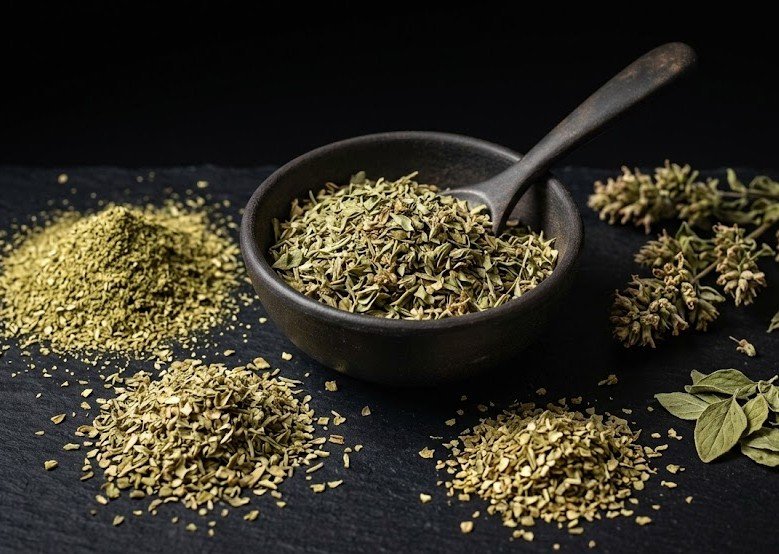

Oregano is a highly nutrient-dense aromatic herb belonging to the mint family (Lamiaceae). Specifically, this perennial herbaceous plant is grown globally for its intensely flavorful, oval green leaves. This historic herb is widely celebrated for its robust natural antimicrobial activities and profound cellular protection. Additionally, it features a beautifully pungent, peppery, earthy, and slightly bitter flavor profile. For this reason, it has become a foundational culinary and functional food staple in many international markets.
Originally, the plant was native to the rocky, sun-baked hillsides of the Mediterranean region and western Asia. However, it was domesticated thousands of years ago during early classical eras. Later on, it spread rapidly across Europe, North Africa, and the Americas through ancient trade caravans and migration networks. Today, it is grown extensively across Turkey, Greece, Italy, and Mexico. Consequently, it is prized in classic slow-simmered tomato sauces, vibrant rustic pizzas, savory marinades, and modern therapeutic immune supplements.
Because it is packed with essential volatile oils, active monoterpene phenols, and a unique bioactive compound called carvacrol, this herb is highly valued. It offers incredible nutritional density alongside remarkable culinary versatility. Therefore, this comprehensive guide explores its history, nutritional profile, health benefits, traditional uses, cultivation methods, and practical ways to include it in your daily diet.
The History of Oregano & Its Cultural Importance
This herb has a profound agricultural history rooted deeply in ancient classical mythology and natural healing traditions. Over time, it spread across the globe through continuous migration and trade.
Oregano Through the Ages
- The Joy of the Mountain: Ancient Greeks derived the plant’s name from the words oros (mountain) and ganos (joy). Specifically, they believed the goddess Aphrodite created the herb to bring absolute peace and happiness to the hillside landscapes.
- Classical European Apothecaries: Greek and Roman physicians heavily integrated the fresh leaves into early medical treatments. As a result, practitioners regularly utilized it as a fast-acting antidote for severe skin bites and digestive stings.
- The Post-War Global Boom: Soldiers returning home after long campaigns in the Mediterranean during the mid-20th century introduced the dried herb to global kitchens. Therefore, demand skyrocketed instantly, cementing its position in modern everyday cooking.
- Modern Antimicrobial Discovery: Global scientists isolated its primary active molecules, carvacrol and thymol, in the late 20th century. Consequently, it is heavily celebrated in contemporary immunology research for shielding cells from aggressive microbial strains.
Botanical Description of Oregano
Origanum vulgare belongs to the Lamiaceae family. For instance, it is closely related to other vital aromatic crops like rosemary, thyme, marjoram, sage, and mint.
Plant Characteristics
- Growth: It grows naturally as a small, bushy, semi-woody perennial herbaceous shrub. Usually, it reaches 20 to 80 cm in height and features opposite, hairy green stems.
- Leaves: The plant produces small, spade-shaped, olive-green leaves measuring 1 to 4 cm in length. In addition, these leaves feature smooth or slightly serrated margins and hold dense surface oil glands.
- Flowers: It bears dense, branching terminal clusters displaying tiny pink, white, or purple blossoms. Typically, these beautiful blossoms rely on local bees and butterflies for successful cross-pollination.
- The Rhizome System: It forms a highly resilient, spreading underground root architecture. Furthermore, this structural setup allows the plant to anchor securely into poor hillside soils and survive cold seasonal drafts.
Growing Conditions
This plant is a rugged, sun-loving crop. Therefore, it requires abundant daily sunshine, excellent drainage, and moderate temperatures to develop maximum internal essential oil density.
- Ideal Temperature: It prefers warm growing climates between 18–26°C for optimal leaf production. However, mature, well-established plants display excellent tolerance to winter frosts, provided the soil remains completely dry.
- Soil Type: It thrives best in well-drained, loose sandy loam or rocky calcareous soils with a neutral pH. On the other hand, it cannot tolerate waterlogged roots or heavy, compacted wet clay that triggers root rot.
- Propagation: It is regularly grown from seeds sown during early spring or from structural root divisions. Specifically, growers prioritize trimming the flower stalks early to encourage dense leaf yields.
- Harvesting Season: Farmers typically harvest the leaves just before the plant begins to flower. Specifically, they clip the stalks manually and sun-dry them to concentrate the volatile aromatic compounds.
Nutritional Profile of Oregano
This aromatic herb is naturally dense in unique biological defense compounds. Furthermore, it contains high amounts of dietary fiber, essential iron, and protective vitamins. As a result, it is a favorite among active individuals seeking to optimize their daily cellular tracking.
Nutrients (Per 100g Dried Ground Leaf Serving)
| Nutrient | Amount | Health Benefits |
| Energy | 265 kcal | Natural source of concentrated, slow-releasing metabolic energy |
| Protein | 9.0g | Supplies basic structural plant building blocks for cellular health |
| Dietary Fiber | 42.8g | Massive fiber volume supporting exceptional gastrointestinal tracking |
| Iron | 36.8mg | High mineral volume supporting healthy red blood cell production |
| Calcium | 1597mg | Massive mineral volume supporting skeletal density and cell signaling |
| Vitamin K | 621µg | Exceptional vitamin level supporting healthy blood clotting pathways |
| Magnesium | 270mg | Supports deep muscle relaxation and nervous system health |
Note: Sourced directly from standard nutrient profiles, the dried leaf concentrates its active elements, offering massive nutrient percentages per gram compared to fresh formats. (Source: USDA FoodData Central)
Oregano Benefits for Your Everyday Health
1. Fights Microbes Naturally
Packed with massive concentrations of active carvacrol and thymol, it directly compromises the cellular membranes of harmful bacteria and fungi. Consequently, it assists the body in defending its immune systems against seasonal winter pathogenetic threats effectively.
2. Provides Deep Antioxidant Defense
Features an exceptional volume of rosmarinic acid and flavonoids. Because these specialized compounds aggressively neutralize free radicals, they help shield vascular cells from chronic oxidative stress.
3. Supports Healthy Digestive Comfort
Its natural bitter elements and essential volatile oils work efficiently with the gastrointestinal tract. Specifically, it helps stimulate the production of healthy digestive bile and relaxes smooth tracking muscles to clear post-meal bloating.
4. Lowers Systemic Inflammation
Its natural carvacrol molecules work efficiently with cellular pathway blocks. As a result, it assists the body in maintaining optimal, low-inflammatory markers across joint and muscle tissues.
5. Enhances Meals Naturally
Brings a bold, peppery punch, rich herbaceous depth, and unmistakable classic savory finish to daily home cooking without introducing artificial synthetic additives.
Traditional & Modern Culinary Uses for Oregano
1. Classic Mediterranean Pasta Sauces
First, simmer crushed tomatoes with minced garlic and a tablespoon of dried oregano leaves in warm olive oil. Then, cook slowly to release the fat-soluble volatile oils, creating a rich savory base.
2. Aromatic Herb Marinades
Combining dried oregano flakes with fresh lemon juice, crushed garlic, and extra virgin olive oil yields a beautiful baseline. Consequently, whisking them creates an excellent protective coating for fresh plant proteins.
3. Revitalizing Immune Teas
Steeping a teaspoon of dried leaves or fresh twigs in hot water for ten minutes creates a clean beverage. Consequently, it acts as an excellent, throat-soothing daily respiratory tonic.
4. Hearty Roasted Root Vegetables
Tossing cubed sweet potatoes, zucchini, and bell peppers with olive oil, dried oregano, and sea salt before baking produces a beautifully textured side dish.
How to Include Oregano in Your Diet
- The Drying Rule: Always value Dried Oregano highly alongside the fresh herb; specifically, drying intentionally concentrates the therapeutic carvacrol content, delivering far more antioxidant power per teaspoon.
- Daily Immunity Boost – Sip a warm cup of oregano tea mixed with raw honey during early seasonal cold shifts.
- Zesty Salad Toppers – Sprinkle a generous pinch of dried oregano directly over fresh cucumber, tomato, and feta cheese salads.
- Nutritious Soup Booster – Drop a tablespoon of the herb into your simmering split pea or lentil soups to add clean depth.
- Savory Dressing Whisks – Blend dried oregano into apple cider vinegar and cold-pressed avocado oil for daily meal prep.
Side Effects & Precautions
While safe and highly beneficial for the general population in standard culinary amounts, certain precautions apply:
- Consuming enormous, highly concentrated therapeutic quantities of concentrated isolated oil of oregano essential oil orally must be managed carefully, as it can cause local stomach lining irritation.
- Therapeutic Guidance: Oregano can display natural mild iron-binding actions; therefore, individuals managing active iron-deficiency anemia should avoid heavy intake during core meal hours.
- Individuals diagnosed with specific sensitivities to Lamiaceae family crops (like mint or basil) should monitor their initial intake levels.
Ultimately, individuals seeking to maximize their daily health advantages must prioritize organic whole leaves over cheap synthetic aromatic sprays. (Source: Wikipedia: Oregano)
Conclusion
In summary, Origanum vulgare is a nutrient-rich herb celebrated for its exceptional carvacrol profile, antimicrobial activation, and unparalleled culinary utility. From simple tomato sauces to fresh zesty salad dressings and immune teas, oregano continues to reign as a vital foundational superfood across the earth. Whether eaten as a fresh leaf or a vibrant dried spice, it delivers fantastic life-giving value to a balanced lifestyle.
Therefore, start introducing a pinch of dried oregano into your weekly diet planning alongside target superfoods. Ultimately, you will enjoy its distinctively rich flavor and protective properties as part of a natural, healthy lifestyle.