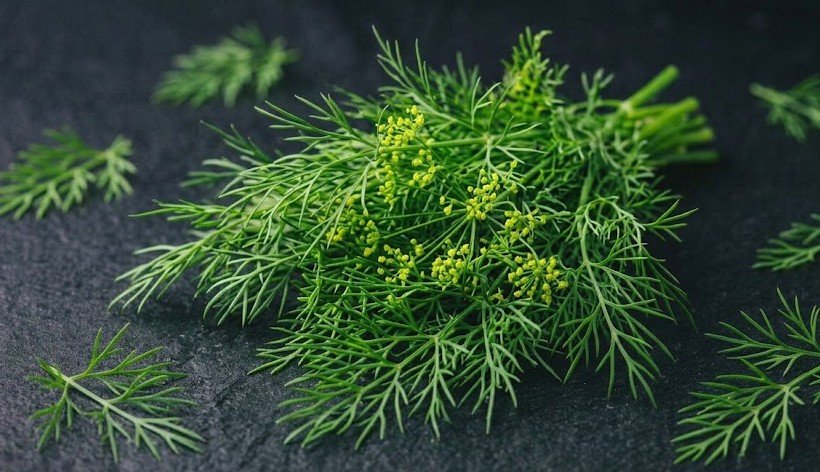

Dill is a highly nutrient-dense aromatic whole food herb derived from the delicate, feathery fronds of the annual culinary plant (Anethum graveolens). Highly revered as a premier flavor enhancer across European, Mediterranean, and Asian culinary sectors, this elegant crop yields soft, thread-like green leaves branching out from slender structural stems. This historic food is widely celebrated across the globe for holding an exceptional natural concentration of cell-defending monoterpene antioxidants and immune-boosting Vitamin C. Additionally, it features a beautifully light, tender texture when consumed fresh, releases complex volatile oils smoothly when chopped, and carries a distinctively bright, clean, tangy, slightly sweet, and anise-like flavor profile. For this reason, it has become a foundational culinary and functional food staple in many international markets.
Originally, the parent herb species was native to the ancient, temperate river valleys of the Mediterranean basin and Western Asia. However, it was domesticated thousands of years ago during the very dawn of early human agricultural tracking systems. Later on, it spread rapidly across Northern Europe, Scandinavia, and the Indian subcontinent through ancient maritime trading loops and historical monastic migration channels. Today, it is produced extensively across Russia, Germany, Egypt, and the United States. Consequently, it is prized as a clean portable culinary accent, a foundational baseline for crisp lacto-fermented pickles, a metabolic cellular shield, and a modern longevity dietary staple.
Because it is packed with essential dietary fiber, protective plant sterols, vital water-soluble vitamins, and a massive density of active calcium, iron, and volatile organic oils, this botanical herb is highly valued. It offers incredible nutritional density alongside remarkable culinary versatility. Therefore, this comprehensive guide explores its history, nutritional profile, health advantages, traditional uses, cultivation frameworks, and practical ways to include it in your daily diet safely.
The Historic Journey of Dill & Its Cultural Importance
This premium aromatic herb possesses a monumental agricultural history rooted deeply in early European survival and traditional planetary holistic health tracking models. Over time, it spread across the globe through continuous migration and trade.
The Ancient History of Anethum Graveolens Grass
-
-
The Egyptian Ebers Papyrus Records: Early human societies across the Nile valley cultivated the feathery crop systematically as early as 1500 BCE. Growth parameters prioritized these fields because the leaves provided essential digestive tonics used to soothe internal tracking friction naturally.
-
The Roman Gladiator Gladius Rubs: Historical classical logs heavily documented using the intensely fragrant herb during athletic preparations. Specifically, trainers coated the skin of fighters with unrefined leaves crushed into oils to calm muscle tissue stress and accelerate wound recovery tracking loops.
-
The Medieval Anti-Witchcraft Charms: European cultural networks heavily integrated the specific properties of the fresh sprigs into early household protective customs. As a symbolic home shield, hanging dried bundles directly above doorway frames was believed to ward off negative spells cleanly.
-
-
Modern Volatile Oil Validation: Food scientists isolated its unique chemical baseline, particularly its highly concentrated monoterpenes like carvone, limonene, and active anethofuran, in the late 20th century. Therefore, it achieved massive contemporary popularity globally as a premier functional digestive protection superfood.
Botanical Description of the Culinary Herb Plant
Anethum graveolens belongs exclusively to the celery and parsley family (Apiaceae). For instance, it grows naturally as a tall, delicate annual herb completely separate from standard commercial grain fields or sprawling woody orchard trees.
Structural Characteristics of Unrefined Dill Leaves
-
Growth: It grows naturally as a tall, single-stemmed, erect annual herbaceous plant. Usually, it reaches 40 to 100 cm in height and develops smooth, hollow green stems marked by fine longitudinal structural stripes.
-
Leaves: The plant produces alternate, highly divided, tripinnate green leaves measuring 10 to 30 cm in length. In addition, these thread-like, feathery leaf segments feature a soft texture that sways gracefully under light atmospheric wind fields.
-
Flowers: It bears large, flat terminal compound umbels measuring 10 to 15 cm in diameter at the stalk tips. Typically, these beautiful yellow blossoms emerge during mid-summer, relying heavily on honeybees and native flying insects for successful cross-pollination.
-
The Oval Fruit Seed: It forms thousands of small, compressed, oval-elliptical dry seeds displaying prominent structural rib lines along the borders. Furthermore, these dry seeds host intensely concentrated oil reserves, serving as a distinct culinary spice asset.
Ideal Growing Conditions for Maximum Dill Yield
This plant is a sun-loving, highly taproot-sensitive seasonal crop requiring open solar fields and deep, well-drained soils to complete its seed lifecycle successfully.
-
Ideal Temperature: It prefers moderate growing climates between 15–24°C for optimal frond production and oil mass accumulation. However, it cannot tolerate burning tropical heatwaves or sudden spring frosts that wither the delicate leaf threads immediately.
-
Soil Type: It thrives best in well-drained, loose fertile sandy loams or deep alluvial silts rich in organic humic matter. On the other hand, it absolutely cannot tolerate highly compacted, wet clay flats that trap stagnant root moisture.
-
Propagation: It is regularly grown from seeds sown directly into open fields, as its sensitive, long taproot cannot tolerate the shock of greenhouse transplant tracking. Specifically, modern organic setups ensure consecutive sowings every two weeks to maintain a fresh supply of green leaves.
-
Harvesting Season: Farmers harvest the mature crop continuously before the plant begins its early summer flower extension. Specifically, they cut the fresh fronds during early morning hours when the internal volatile oil matrices maintain their peak aromatic weight.
Nutritional Profile of Fresh Dill Weed
This unrefined culinary herb is naturally dense in vital antioxidants. Furthermore, it contains high amounts of water-soluble vitamins, non-dairy minerals, and protective volatile compounds. As a result, it is a favorite among active individuals seeking sustained clean stamina tracking.
Essential Nutrients in Dill Plant Matrices (Per 100g raw leaf serving)
Nutrient |
Amount |
Health Benefits |
Energy |
43 kcal |
Low-calorie source of intense, active micronutrient density |
Vitamin C |
85.0mg |
Record-breaking vitamin presence driving robust immune cellular shields |
Vitamin A |
386.0µg |
High beta-carotene volume protecting visual and skin tissue layers |
Calcium |
208mg |
Exceptional mineral presence supporting deep skeletal safety loops |
Iron |
6.6mg |
Vital mineral supporting healthy red blood cell oxygen carrier loops |
Manganese |
1.3mg |
Crucial trace element activating essential antioxidant enzyme loops |
Carvone Oil |
Active |
Powerful volatile monoterpene optimizing smooth digestive function |
Note: Gram for gram, fresh sprigs outpace many common citrus fruits in raw Vitamin C density, providing an exceptional nutritional layout. (Source: USDA FoodData Central)
Dill Health Benefits for Your Everyday Well-being
1. Calms Gastrointestinal Distress and Bloating via Carvone
Packed with massive concentrations of active carvone and limonene volatile oils, it works directly on the smooth muscles of the human digestive tract. Consequently, it assists the body in relaxing intestinal walls, eases tracking friction, and expels trapped gases smoothly.
2. Reinforces Immune Defenses via Massive Vitamin C
Features an exceptional profile of water-soluble Vitamin C, a powerful cellular antioxidant. As a result, it assists the body in stimulating active white blood cell defense loops, neutralizes circulating free radicals, and accelerates systemic tissue repair metrics cleanly.
3. Delivers Robust Mineral Bone Support via Calcium
Its unique non-dairy calcium and manganese matrix works efficiently to reinforce skeletal tissues. Specifically, eating a small serving regularly provides the essential mineral blocks the body utilizes to support bone density safety loops.
4. Downregulates Circulating Metabolic Stress Markers
Contains a remarkable volume of active flavonoids like vicenin and kaempferol. For example, incorporating the fresh leaves into daily templates helps protect cellular structures from oxidative browning, supporting long-term metabolic balance profiles.
5. Optimizes Circulatory and Lipids Pathways
The abundant monoterpene compounds work in perfect cross-reactive synergy with hepatic metabolic paths. Specifically, regular dietary intake assists the body in regulating clean lipid profiles, supporting flexible and healthy vascular lines cleanly.
Traditional & Modern Culinary Uses for Dill
1. Authentic Scandinavian Tzatziki Sauces
First, mix one cup of thick plain Greek yogurt with one half-cup of finely chopped fresh dill weed. Then, add a grated cucumber, minced garlic, sea salt, and a splash of fresh lemon juice to build an elite, refreshing digestive baseline sauce.
2. Crisp Lacto-Fermented Pickling Brines
Combining whole fresh leaf fronds and dry seeds systematically into glass jars packed with sliced cucumbers, garlic cloves, sea salt, and pure water yields a beautiful baseline. As a result, your homemade fermentations gain an excellent sour crunch.
3. Creamy Herb and Potato Salad Dressings
Blending chopped fresh leaves with cold-pressed olive oil, Dijon mustard, apple cider vinegar, and black pepper creates a bold finishing sauce that pairs perfectly with warm boiled red potatoes.
4. Warming Lentil and Vegetable Soup Garnishes
Tossing fresh, finely snipped leaf sprigs straight into simmering split pea, green lentil, or root vegetable soups right before serving protects the heat-sensitive Vitamin C while adding exceptional aroma.
How to Include Dill in Your Daily Diet
-
The Raw Finishing Habit: Always add your fresh feathery leaves at the final second of plating rather than cooking them down inside hot boiling pots; specifically, prolonged heat exposure rapidly destroys the delicate monoterpene oils and wilts the vibrant texture.
-
The Yogurt Pairing Strategy: Try to pair the herb with healthy fermented dairy or plant milks; specifically, the cooling properties of yogurt complement dill’s digestive warmth perfectly, maximizing intestinal comfort tracking.
-
Morning Egg Scramble Enhancements – Whisk a tablespoon of chopped fresh fronds straight into your morning omelets or tofu scrambles.
-
Nutritious Hummus Boosters – Blend fresh leaves directly into your homemade chickpea or avocado dips to vary your macro tracking.
-
Zesty Salad Accents – Mix whole feathery sprigs right into your field greens, arugula, and shaved fennel salad layouts to optimize your texture profile.
Side Effects & Precautions
While safe and highly beneficial for the general population, certain precautions apply:
-
Consuming standard culinary quantities is exceptionally safe, but individuals showing unique sensitivities to plants in the carrot family should introduce it mindfully.
-
Storage Optimization Note: Store fresh bundles upright with their stems placed inside a glass of pure water covered loosely with a paper bag in the refrigerator; specifically, this technique locks in moisture and preserves the fragile volatile compounds beautifully.
-
Always wash fresh garden harvests thoroughly under cold running water to clear away loose field soil or organic tracking remnants before final consumption.