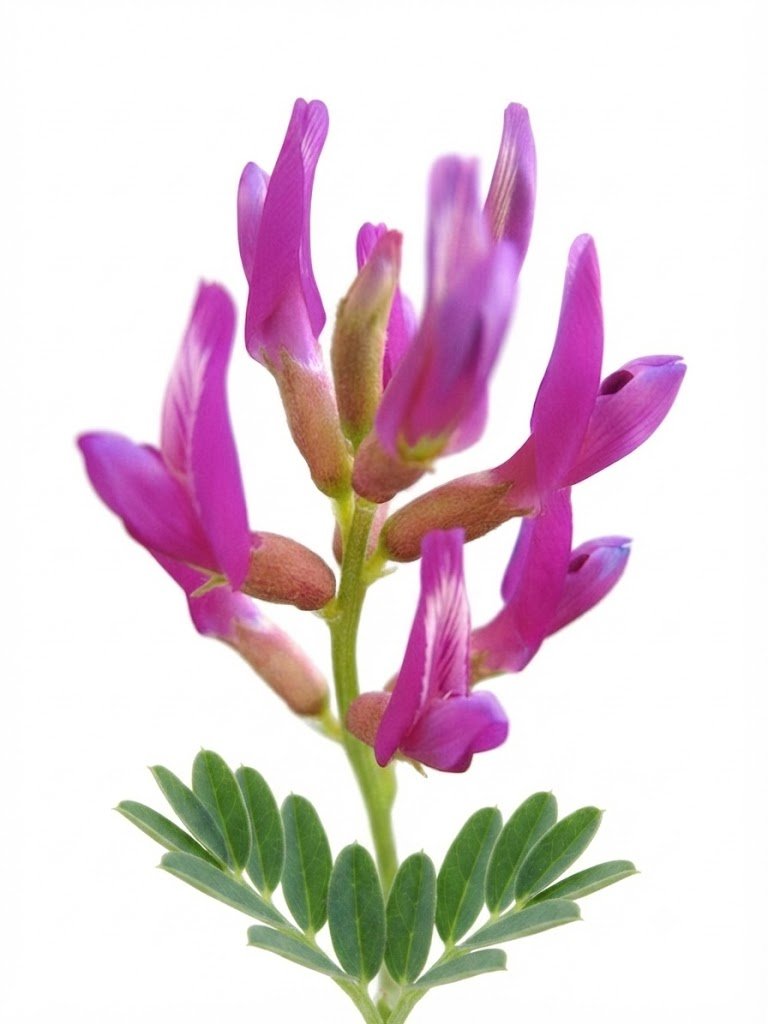

Astragalus boasts a loyal following among herbalists, longevity researchers, and traditional wellness seekers alike. This remarkable perennial legume packs powerful polysaccharides, saponins, and antioxidant compounds into every serving. Research supports its health benefits far beyond typical folk-medicine hype.
Let us examine what this plant genuinely achieves for immune system resilience, cardiovascular support, and cellular longevity. Furthermore, we will cover areas where science needs more human trials and how to consume it safely.
What Is Astragalus?
Astragalus (Astragalus membranaceus), also known as huáng qí or milkvetch, is a hardy perennial plant belonging to the legume family (Fabaceae). It is native to the northern and eastern regions of China, Mongolia, and Korea, where it has served traditional Chinese medicine for over two millennia. Its long, woody roots and yellowish-white fibrous layers house the active phytochemicals.
A single serving of the dried root slices or standardized extracts delivers concentrated polysaccharides rather than heavy macronutrients. Active plant compounds like astragalosides, flavonoids, and various polysaccharides drive its distinct therapeutic activity and immunomodulatory properties.
How Astragalus Supports Health and Disease Prevention
Immune System Resilience and Defense
This stands as the root’s most famous and well-researched benefit, particularly regarding seasonal defense and white blood cell activity.
-
The Mechanism: Active polysaccharides stimulate the production and activity of macrophages, natural killer cells, and T-lymphocytes, enhancing the body’s frontline defense.
-
The Research: Extensive clinical trials demonstrate that consistent supplementation helps reduce the frequency and severity of upper respiratory infections while supporting overall immune competence.
Cellular Longevity and Telomere Support
Modern anti-aging science increasingly focuses on cellular aging mechanisms and chromosomal stability.
-
The Mechanism: Specific cycloartane saponins (such as astragaloside IV) help activate telomerase, an enzyme that maintains telomere length and protects chromosomes from degradation.
-
The Research: Laboratory studies indicate that targeted extracts support cellular lifespan and protect against oxidative DNA damage, sparking significant interest in longevity research.
Cardiovascular Health and Heart Function
Heart wellness and circulatory efficiency rely heavily on mitigating oxidative stress and protecting vascular endothelial tissue.
-
The Mechanism: Bioactive flavonoids and saponins help improve coronary blood flow, reduce systemic inflammation, and protect cardiac cells from ischemic injury.
-
The Research: Clinical evaluations show that supportive herbal administration aids recovery in individuals managing various cardiovascular challenges and helps maintain healthy blood pressure.
Powerful Antioxidant and Adaptogenic Protection
Systemic wellness depends heavily on continuous cellular defense against physical, chemical, and biological stressors.
-
The Mechanism: Abundant antioxidant compounds neutralize harmful free radicals and modulate stress hormone pathways across the body.
-
The Research: Pharmacological evaluations confirm that regular intake bolsters internal antioxidant enzyme defenses, protecting tissues from long-term oxidative wear.
How to Add Astragalus to Your Diet
The therapeutic root is versatile, functioning as a traditional culinary staple or a concentrated supplement:
-
Traditional soup broths: Simmer dried root slices (tong shu) into broths, stews, or bone broths to gently extract water-soluble polysaccharides.
-
Herbal tea infusions: Steep dried sliced root in hot water for an extended period to create an earthy, mildly sweet tonic.
-
Standardized extract capsules: Take capsules or liquid tinctures standardized to contain verified active polysaccharides according to product labeling.
-
Start moderately: Begin with small culinary portions or standard supplement doses to allow your digestive system to adapt comfortably.
Safety Considerations for Astragalus
The root is remarkably safe for most individuals, but specific factors require attention:
-
Autoimmune Condition Precautions: Because the herb actively stimulates immune function, individuals with autoimmune conditions (such as lupus, rheumatoid arthritis, or multiple sclerosis) should consult a healthcare professional before use.
-
Medication Interactions: The supplement can interact with immunosuppressant drugs, blood thinners, and diabetes medications. Consult a healthcare professional before combining them.
-
Fever Restrictions: Traditional herbalism advises avoiding the root during acute, high-grade fevers or active infections where immune stimulation might be counterproductive.
-
Pregnancy and Breastfeeding: Because clinical safety data remains limited for pregnant or nursing individuals, professional medical guidance is strongly recommended.
The Bottom Line
The traditional legume backs up its ancient reputation with a robust modern research base, especially regarding immune system resilience, cardiovascular support, and cellular protection. Distinguishing between unverified crude root powders and properly standardized polysaccharide extracts remains the biggest variable in experiencing its benefits safely.
Done right, it makes a protective, therapeutic, and revitalizing addition to a broader wellness lifestyle. It offers no standalone miracle cure, but it remains one of the most scientifically validated immune-supportive roots in the natural world.