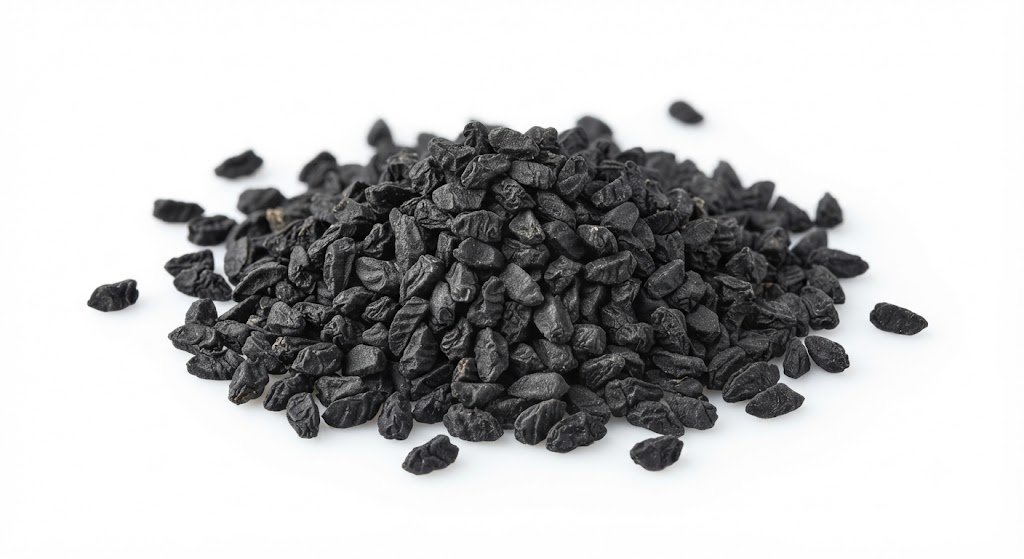

Nigella seeds boast a loyal following among functional nutritionists, herbalists, and culinary enthusiasts. This remarkable medicinal spice packs powerful thymoquinone, volatile oils, and antioxidant compounds into every serving. Furthermore, research supports its health benefits far beyond typical seasoning expectations.
Let us examine what this plant achieves for immune modulation, metabolic support, and respiratory wellness. In addition, we will cover areas where science needs human trials and how to consume nigella seeds safely.
What Is a Nigella Seed?
Nigella seeds (Nigella sativa), widely celebrated as tiny, angular black seeds, are the edible dried seeds harvested from a small flowering shrub belonging to the Ranunculaceae family. They are native to Southwest Asia and the Mediterranean. Consequently, this beloved food and medicinal herb has served traditional Middle Eastern, Ayurvedic, and Unani healing systems for millennia. Their tiny dark coats and aromatic inner kernels house active phytochemicals.
A single serving of raw or lightly toasted seeds delivers concentrated micronutrients, essential fatty acids, and specialized volatile compounds rather than heavy carbohydrates. Active plant compounds like thymoquinone, nigellone, carvacrol, and diverse saponins drive its therapeutic activity and antioxidant properties.
How Nigella Seeds Support Health and Disease Prevention
Nigella Seeds for Immune Modulation and Inflammatory Balance
Systemic immune resilience relies heavily on balancing inflammatory pathways and supporting natural defense mechanisms.
-
The Mechanism: The primary bioactive constituent, thymoquinone, works synergistically to help modulate immune cell activity and downregulate inflammatory cytokine production.
-
The Research: Clinical evaluations demonstrate that regular dietary inclusion of nigella seeds and black seed oil supports healthy immune function and systemic inflammatory balance.
Metabolic Health and Glycemic Support
Systemic metabolic efficiency relies heavily on foods that support healthy insulin sensitivity and maintain stable blood sugar levels.
-
The Mechanism: Active phytochemicals help protect pancreatic beta cells, improve cellular glucose uptake, and inhibit hepatic gluconeogenesis.
-
The Research: Metabolic studies indicate that incorporating therapeutic black seeds into balanced diets supports healthy blood sugar regulation and metabolic balance.
Respiratory Wellness and Airway Comfort
Optimal respiratory function depends heavily on soothing airway tissues and supporting clear, comfortable breathing passages.
-
The Mechanism: Antispasmodic and antihistaminic volatile oils help relax bronchial smooth muscles and soothe irritated respiratory membranes.
-
The Research: Respiratory science shows that consistent use of nigella seed extracts significantly supports lung function and overall respiratory comfort.
Gastrointestinal Support and Gut Health
Optimal digestive function relies heavily on antimicrobial and carminative plant compounds that encourage a balanced microbiome and soothe the gut wall.
-
The Mechanism: Active compounds help inhibit undesirable microbial overgrowth while stimulating healthy digestive enzyme secretion.
-
The Research: Nutritional evaluations demonstrate that consuming medicinal black seeds supports comfortable digestion and overall gastrointestinal health.
How to Add Nigella Seeds to Your Diet
The therapeutic spice is versatile, functioning as a pungent, aromatic culinary addition to diverse everyday dishes:
-
Sprinkled over flatbreads: Press whole seeds into naan, focaccia, or homemade bread dough before baking for a savory crunch.
-
Stirred into legume dishes: Add whole or lightly crushed seeds to lentil soups, stews, and chickpea curries for earthy depth.
-
Mixed with raw honey: Combine ground seeds with pure honey for a traditional, soothing daily tonic.
-
Start moderately: Begin with small culinary portions of nigella seeds to allow your palate and digestive system to adapt comfortably to their strong, pungent flavor.
Safety Considerations for Nigella Seeds
The potent medicinal spice is remarkably safe for most individuals in culinary amounts. However, specific physiological factors require attention:
-
Pregnancy and Nursing: Pregnant people should avoid large medicinal doses of nigella seeds or black seed oil, as high concentrations may stimulate uterine contractions.
-
Medication Interactions: Individuals taking blood thinners or diabetes medications should consult a healthcare provider before using concentrated black seed supplements to avoid potentiating drug effects.
-
Gastrointestinal Sensitivity: Because these seeds are rich in volatile oils and potent phytochemicals, consuming excessive quantities at once may cause mild stomach irritation.
-
Sourcing and Storage: Always choose high-quality, whole seeds stored in airtight containers away from heat and light to preserve their delicate volatile oils.
The Bottom Line
The fascinating medicinal spice backs up its ancient culinary reputation with a solid modern research base. Specifically, this wonderful seed shines regarding immune modulation, metabolic support, and respiratory wellness. Therefore, distinguishing between proper culinary dosing and understanding personal health needs remains the biggest variable in enjoying nigella seeds safely.
Done right, nigella seeds make a protective, therapeutic, and flavorful addition to a broader wellness lifestyle. They offer no standalone miracle cure. Yet, nigella seeds remain one of the most potent and bioactive seeds in the natural world.