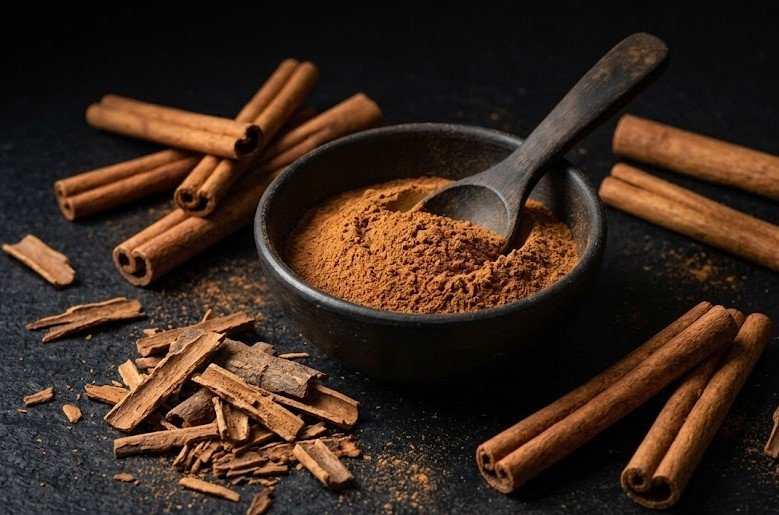
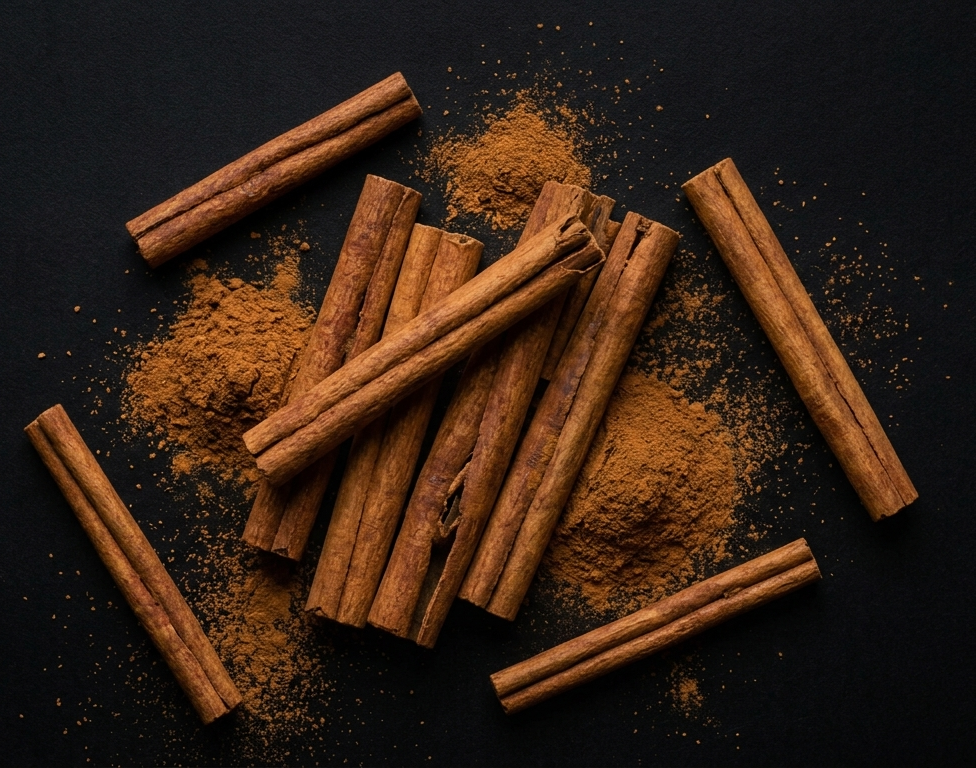

Cinnamon (Cinnamomum verum), commonly known as True Cinnamon or Ceylon Cinnamon, is an aromatic spice obtained from the inner bark of evergreen trees belonging to the laurel family.
Rich in antioxidants, essential oils, and beneficial plant compounds, this spice is valued for its nutritional properties and culinary versatility. This guide explores its history, nutritional profile, health benefits, traditional uses, cultivation methods, and practical ways to include it in your diet.
Historical Significance & Cultural Importance
This aromatic spice has been one of the world’s most prized seasonings, valued for its flavor, aroma, and cultural significance.
Ancient Traditions
- Ancient Egypt: Used in food preparation, perfumes, and ceremonial practices.
- Sri Lankan Heritage: Cultivated for centuries and recognized as the home of true Ceylon spice.
- Ayurvedic Traditions: Incorporated into traditional Indian dietary practices.
- Global Spice Trade: One of the most valuable commodities traded along ancient spice routes.
Botanical Description
The plant belongs to the Lauraceae family and is classified under the Cinnamomum genus.
Plant Characteristics
- Growth: Evergreen tree reaching 10–15 meters in height, often pruned for commercial cultivation.
- Leaves: Glossy, oval-shaped green leaves with prominent veins.
- Flowers: Small creamy-white flowers arranged in clusters.
- Bark: The inner bark is carefully harvested, dried, and rolled into quills (sticks) or ground into a fine aromatic powder.
Cultivation & Growing Conditions
This tropical tree thrives in warm, humid climates.
- Ideal Temperature: 20–30°C for optimal growth.
- Soil Type: Well-drained fertile loamy soil rich in organic matter.
- Propagation: Grown from seeds or stem cuttings.
- Harvesting Season: Bark is typically harvested from mature branches every 2–3 years after establishment.
Nutritional Profile
Although consumed in small quantities, this spice contains antioxidants, dietary fiber, and essential minerals.
Nutrients (Per 100g Serving)
| Nutrient | Amount | Health Benefits |
|---|---|---|
| Energy | 247 kcal | Provides energy |
| Dietary Fiber | 53.1g | Supports digestive health |
| Calcium | 1,002mg | Supports bone and teeth health |
| Iron | 8.3mg | Supports healthy blood formation |
| Manganese | 17.5mg | Supports metabolism and bone health |
| Cinnamaldehyde | Present | Aromatic bioactive compound with antioxidant properties |
Note: This spice is typically consumed in small quantities, so its primary nutritional value comes from its bioactive compounds rather than its calorie contribution.
Health Benefits of Cinnamon
1. Provides Antioxidant Protection
The bark contains polyphenols and cinnamaldehyde, compounds known for their antioxidant properties. These help protect cells from oxidative stress.
2. Supports Heart Health
Its naturally occurring plant compounds contribute to cardiovascular wellness and fit well within a heart-conscious eating pattern.
3. Supports Digestive Health
Traditionally used to enhance both flavor and digestibility, it can be included in balanced meals as part of a healthy lifestyle.
4. Supports Healthy Blood Sugar Management
This ingredient has been studied for its potential role in supporting normal glucose metabolism. However, it should complement—not replace—medical treatment or professional advice.
5. Supports Immune Function
Naturally occurring antioxidants contribute to overall wellness and support the body’s normal defense mechanisms.
6. Supports Brain Health
Its antioxidant compounds contribute to normal cellular function, including overall brain health, when consumed as part of a balanced diet.
7. Enhances Flavor Naturally
The warm, naturally sweet aroma makes it an excellent way to add flavor to foods and beverages without relying on added sugar.
Traditional Uses
Spiced Tea
Steep a stick in hot water for 5–10 minutes and enjoy it warm.
Baking
Widely used in cakes, cookies, breads, pastries, and muffins.
Curries & Rice Dishes
Add a stick during cooking to infuse curries, biryanis, stews, and rice dishes with a rich aroma.
Smoothies & Breakfast Bowls
Sprinkle the ground spice over oatmeal, yogurt, breakfast cereals, or fruit smoothies.
How to Include It in Your Diet
- Spiced Tea – A warm and aromatic beverage.
- Oatmeal & Cereals – Sprinkle the ground spice over breakfast.
- Smoothies – Blend into fruit and yogurt smoothies.
- Curries & Rice Dishes – Add whole sticks while cooking.
- Baked Goods – Mix into cakes, muffins, cookies, and bread.
Side Effects & Precautions
While this spice is generally safe when consumed in culinary amounts, excessive intake may cause:
- Digestive discomfort in sensitive individuals.
- Allergic reactions in rare cases.
- Mouth irritation if consumed in very large quantities.
Cassia varieties contain higher levels of coumarin, which may affect liver health when consumed excessively over long periods.
For regular or high intake, Ceylon Cinnamon (Cinnamomum verum) is generally preferred because it naturally contains much lower levels of coumarin.
Conclusion
Cinnamon (Cinnamomum verum) remains one of the world’s most valued spices, appreciated for its warm aroma, culinary versatility, and antioxidant-rich profile. Whether added to teas, baked goods, curries, breakfast bowls, or desserts, this flavorful spice enhances both taste and nutrition. When enjoyed in moderation as part of a balanced diet, it offers a simple and delicious way to enrich everyday meals while supporting overall well-being.