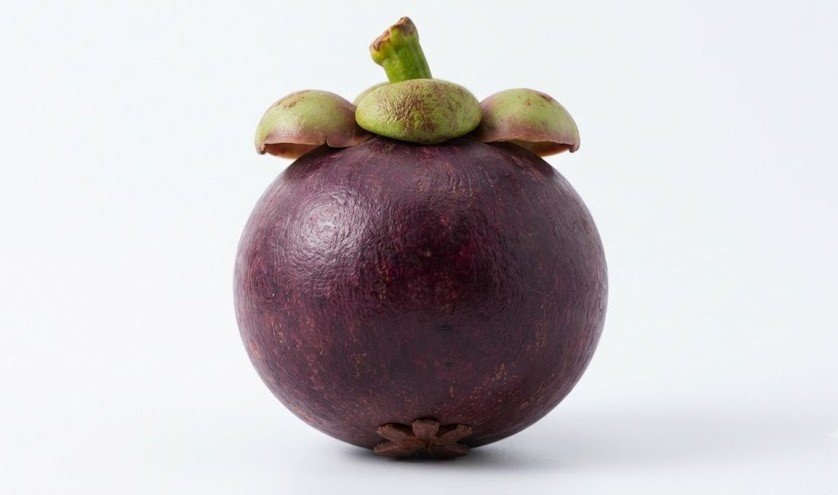


Kinnow is a nutrient-rich citrus fruit. People celebrate it for its juicy texture, refreshing sweet-tart flavor, and exceptional nutritional value. Developed through the hybridization of King Mandarin (Citrus × nobilis) and Willowleaf Mandarin (Citrus deliciosa), the crop was first introduced in the 1930s. Since then, it has become one of the most widely cultivated citrus fruits in India and Pakistan, growing especially in Punjab, Haryana, Rajasthan, Himachal Pradesh, and Jammu.
Rich in vitamin C, dietary fiber, potassium, antioxidants, and beneficial plant compounds, this produce is widely recognized for supporting immunity, heart health, skin health, digestion, and overall wellness. This guide explores its history, nutritional profile, health benefits, medicinal uses, cultivation, and delicious ways to enjoy this harvest.
Historical Significance & Cultural Importance
Although the crop is a relatively modern citrus hybrid, it has become one of South Asia’s most economically important harvests and is highly valued for its nutritional benefits and refreshing taste.
-
Origin: Growers developed the variety at the University of California, Riverside, through citrus breeding programs.
-
Indian Agriculture: India ranks as one of the world’s largest producers, with Punjab earning recognition as a major cultivation region.
-
Pakistani Agriculture: Consumers view the harvest as one of Pakistan’s leading citrus export fruits due to its excellent juice content and flavor.
-
Modern Cuisine: People consume this produce fresh widely and use it commonly in juices, desserts, salads, and beverages.
Botanical Description of the Plant
The plant belongs to the Rutaceae family and is a hybrid of Citrus × nobilis and Citrus deliciosa.
Plant Characteristics
-
Growth: It is an evergreen tree growing approximately 3–6 meters in height.
-
Leaves: The plant features glossy, dark green, lance-shaped leaves with a pleasant citrus aroma.
-
Flowers: Small, fragrant white flowers bloom during spring.
-
Fruit: The medium-sized round shape features a bright orange peel, juicy segmented flesh, abundant juice, and a few seeds depending on the variety.
Cultivation & Growing Conditions
The crop thrives best in subtropical climates with abundant sunshine and fertile, well-drained soil.
-
Ideal Temperature: Farmers look for 20–35°C for healthy growth and fruit production.
-
Soil Type: Well-drained sandy loam soil with a slightly acidic to neutral pH works best.
-
Propagation: Growers commonly propagate it through budding and grafting onto suitable rootstocks.
-
Harvesting Season: Workers typically gather it from December to February in the Northern Hemisphere.
Nutritional Profile of the Fruit
Naturally low in calories, the produce provides essential vitamins, minerals, antioxidants, and dietary fiber.
Nutrients (Per 100g Serving)
| Nutrient | Amount | Health Benefits |
| Calories | 47 kcal | Provides natural energy |
| Vitamin C | 48–55 mg | Supports immunity and collagen production |
| Dietary Fiber | 2.4 g | Promotes digestive health |
| Potassium | 180 mg | Supports heart and muscle function |
| Folate | 30 mcg | Supports healthy cell growth |
| Calcium | 37 mg | Supports healthy bones and teeth |
| Flavonoids | Naturally Present | Help protect cells from oxidative stress |
Health Benefits
-
Strengthens the Immune System: Rich in vitamin C, it supports normal immune function while antioxidants protect cells from oxidative stress.
-
Supports Heart Health: Potassium assists in maintaining normal blood pressure, and dietary fiber alongside citrus flavonoids contributes to cardiovascular wellness.
-
Supports Healthy Skin: Vitamin C aids collagen production, while antioxidants shield skin cells from environmental stress for a radiant appearance.
-
Promotes Digestive Health: Dietary fiber encourages regular bowel movements, maintains comfort, and remains naturally refreshing and hydrating.
-
Supports Hydration: High water content helps replenish body fluids, making it an excellent food during hot weather and after physical activity.
Medicinal & Culinary Uses
-
Fresh Juice: Peel and juice fresh portions, serving them immediately without added sugar for maximum nutritional value.
-
Smoothie: Blend fruit segments with yogurt, banana, and a few ice cubes to create a refreshing beverage.
-
Fruit Salad: Combine portions with apples, grapes, kiwi, strawberries, and pomegranate to prepare a colorful dish.
-
Marmalade: Prepare homemade preserves using the peel and pulp for a flavorful breakfast spread.
Scientific Research
Several scientific studies highlight the value of this tropical produce:
-
It serves as an excellent source of vitamin C, which contributes to normal immune function and collagen formation.
-
It contains flavonoids and other antioxidant compounds that help protect cells from oxidative stress.
-
Regular consumption of citrus fruits contributes to a balanced diet and overall nutritional intake.
How to Include It in Your Diet
-
Freshly Peeled: Enjoy as a refreshing snack.
-
Beverages: Drink freshly prepared juice immediately without added sugar.
-
Salads & Smoothies: Mix with berries, apples, grapes, and kiwi, or blend with yogurt and other fruits.
-
Desserts & Spreads: Add to cakes, parfaits, puddings, and frozen treats, or use homemade marmalade on toast and crackers.
Side Effects & Precautions
While safe for most people, excessive consumption may cause:
-
Acidity or heartburn in sensitive individuals.
-
Mild digestive discomfort if consumed in very large quantities.
-
Rare allergic reactions in individuals with citrus allergies.
-
Tooth enamel erosion from frequent exposure to acidic citrus juices if proper dental hygiene is not maintained.
Enjoy this nutritious and refreshing citrus food as part of a balanced diet to support immunity, heart health, skin health, digestion, hydration, and overall wellness.