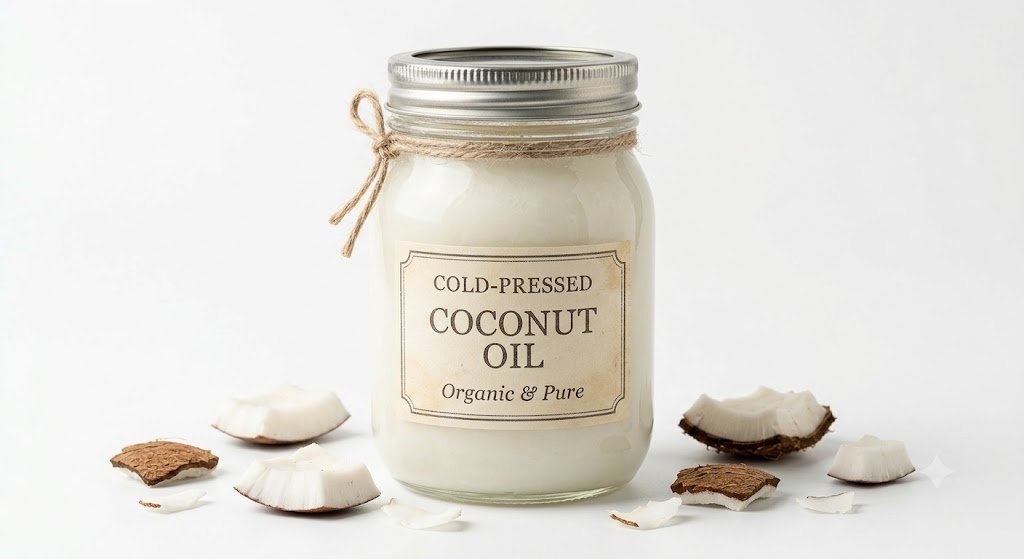

Coconut oil is a highly nutrient-dense natural fat extracted from the kernel or meat of mature coconuts harvested from the coconut palm (Cocos nucifera). Specifically, this versatile fat is obtained through pressing either dried coconut meat (copra) or fresh wet kernels. This historic fat is widely celebrated across the globe for containing a high concentration of unique medium-chain fatty acids that convert rapidly into clean cellular energy. Additionally, it features a beautifully tropical, sweet, rich, and distinctly nutty aroma profile. For this reason, it has become a foundational culinary and functional fat staple in many international markets.
Originally, the plant was native to the ancient coastal regions of the Indo-Malaya maritime ecosystems. However, its buoyant seed pods distributed themselves naturally across vast ocean systems thousands of years ago. Later on, early human populations domesticated the palm during prehistoric tropical migrations. Today, it is produced extensively across the Philippines, Indonesia, India, and Sri Lanka. Consequently, it is prized in high-heat stir-fries, traditional tropical curries, plant-based dairy alternatives, raw energy bars, and modern metabolic wellness practices.
Because it is packed with stable saturated fats, active plant sterols, and a unique bioactive component called lauric acid, this fruit fat is highly valued by international nutritionists. It offers incredible nutritional density alongside remarkable culinary versatility. Therefore, this comprehensive guide explores its history, nutritional profile, health benefits, traditional uses, cultivation methods, and practical ways to include it in your daily diet.
The History of Coconut Oil & Its Cultural Importance
This fat has a monumental agricultural history rooted deeply in ancient maritime tropical survival and holistic wellness tracking systems. Over time, it spread across the globe through continuous migration and trade.
Coconut Oil Through the Ages
- The Tree of Life Legacy: Ancient Pacific island populations referred to the coconut palm as the absolute “Tree of Life.” Specifically, this breakthrough provided a reliable, year-round source of clean hydration, structural fiber, and energy-dense dietary fat.
- Traditional Ayurvedic Integration: Ancient Eastern medical manuals heavily integrated the cooling and protective properties of the raw oil centuries ago. As a result, practitioners regularly utilized it as a powerful topical healing balm and digestive tract balancer.
- The Global Copra Trade Boom: European and American merchants established massive maritime trade channels during the 19th century to extract dried coconut meat. Consequently, the industrial oil became a primary ingredient in international soap manufacturing and food products.
- Modern Metabolic Recognition: Global scientists highlighted its high volume of medium-chain triglycerides (MCTs) in the late 20th century. As a result, it is heavily celebrated in contemporary ketogenic and neurological research fields for bypassing traditional fat storage pathways.
Botanical Description of the Coconut Palm
Cocos nucifera belongs to the Arecaceae family. For instance, it is closely related to other unique tropical woody plants like date palms, oil palms, and acai palms.
Plant Characteristics
- Growth: It grows naturally as a tall, slender, unbranched evergreen palm tree. Usually, it reaches 15 to 30 meters in height and displays a flexible, ringed gray trunk capable of bending during ocean storms.
- Leaves: The plant produces a dense crown of large, pinnate, feather-like green fronds at the very top of the stalk. In addition, these massive leaves measure 4 to 6 meters in length and feature rigid central structural ribs.
- Flowers: It bears both male and female blossoms arranged together on branching spikes that emerge from protective canoe-like bracts. Typically, these blossoms rely on wind and tropical insects for successful pollination loops.
- The Fruit: It forms a large, ovoid, fibrous drupe or botanically a one-seeded nut. Furthermore, the outer layer features a smooth green or yellow skin covering a thick, fibrous husk that shields the hard, brown, water-filled internal seed shell containing the white edible meat layer.
Growing Conditions
This plant is a strict maritime, tropical crop. Therefore, it requires abundant year-round sunshine, high atmospheric humidity, uniform warm temperatures, and saline-tolerant coastal soils to thrive.
- Ideal Temperature: It prefers warm growing climates between 24–32°C for optimal fruit setting. However, it cannot tolerate frost, extended droughts, or cool mountain templates that slow growth.
- Soil Type: It thrives best in well-drained, loose sandy loam or pure coastal sand structures that drain away excess moisture easily. On the other hand, it cannot tolerate heavy, compacted wet clay roots.
- Propagation: It is regularly grown directly from mature, unhusked whole coconuts placed horizontally in specialized nursery beds. Specifically, the developing sprout emerges directly through the tough fibrous husk layers within months.
- Harvesting Season: Farmers typically harvest the mature fruits continuously throughout the year. Specifically, trained harvesters climb the tall trunks or utilize long bamboo poles equipped with sharp knives to systematically cut down the heavy clusters.
Nutritional Profile of Coconut Oil
This unrefined fat is naturally dense in specialized saturated fatty acids. Furthermore, it contains high amounts of medium-chain triglycerides and fat-soluble antioxidants. As a result, it is a favorite among active individuals seeking sustained stamina tracking.
Nutrients (Per 100g Pure Liquid Fat Serving)
| Nutrient | Amount | Health Benefits |
| Energy | 862 kcal | Natural source of dense, clean, rapid-releasing metabolic energy |
| Total Fat | 100.0g | 100% pure lipid matrix completely free of proteins and carbohydrates |
| Lauric Acid (C12) | 49.0g | Primary medium-chain fat showing powerful natural antimicrobial actions |
| Myristic Acid (C14) | 18.0g | Stable saturated lipid providing structural density and shelf stability |
| Caprylic Acid (C8) | 8.0g | Fast-acting medium-chain fat converting rapidly into cellular ketones |
| Capric Acid (C10) | 7.0g | Efficient medium-chain lipid supporting healthy mitochondrial activity |
| Oleic Acid (Omega-9) | 6.0g | Trace monounsaturated fat assisting overall lipid balance pathways |
Note: Over 60% of the total lipid structure consists of specialized medium-chain fatty acids, differentiating it entirely from standard long-chain animal fats. (Source: USDA FoodData Central)
Coconut Oil Benefits for Your Everyday Health
1. Provides Rapid Metabolic Energy
Packed with massive concentrations of active medium-chain triglycerides, it travels straight from the digestive tract directly to the liver. Consequently, it assists the body in converting fats immediately into clean cellular energy or ketones rather than storing them away as tissue fat.
2. Delivers Deep Antimicrobial Action
Features an exceptional volume of lauric acid, which converts internally into a protective monolaurin compound. Because this specialized molecule compromises the cell membranes of harmful bacteria and fungi, it helps support robust immune defenses.
3. Supports Healthy Weight Management
Its unique medium-chain fat matrix works efficiently with metabolic satiety triggers. For example, incorporating a small amount into early meals helps promote lasting fullness markers, naturally lowering the urge to overeat throughout the day.
4. Offers High Cooking Stability
The abundant saturated bonds create a highly resilient fat structure. As a result, it resists oxidation and damage at high heat settings, making it far safer for daily home cooking than unstable refined seed oils.
5. Improves Intestinal Health
The active medium-chain fatty acids work in perfect synergy with the gut microbiome. Specifically, it helps eliminate harmful yeast strains while providing clean nourishment to reinforce the integrity of delicate intestinal linings.
Traditional & Modern Culinary Uses for Coconut Oil
1. High-Heat Tropical Sautés
First, melt a tablespoon of unrefined virgin coconut oil in a warm pan or wok. Then, toss in minced ginger, garlic, and fresh vegetables to build a foundational base for a crisp, healthy stir-fry.
2. Aromatic Vegetable Curries
Combining the rich melted fat with turmeric, cumin, and coconut milk yields a beautiful baseline. Consequently, simmering green split peas or lentils inside this base creates a comforting tropical dish.
3. Clean Plant-Based Baking
Using the oil as a direct one-to-one substitute for butter or processed shortenings allows you to bake whole-grain goods. As a result, your clean baked items gain a subtle tropical sweetness and excellent texture.
4. Energizing Bullet Beverages
Blending a single teaspoon of pure organic coconut oil directly into hot morning coffee or herbal teas creates a creamy emulsion. Consequently, it acts as an excellent, focus-boosting daily brain tonic.
How to Include Coconut Oil in Your Diet
- The Unrefined Virgin Rule: Always purchase Cold-Pressed Virgin Coconut Oil rather than refined, bleached, and deodorized (RBD) options; specifically, unrefined versions preserve 100 percent of the therapeutic lauric acid and natural antioxidants.
- The High-Heat Cooking Choice: Utilize this stable fat for your baking and sautéing tasks; specifically, its high molecular stability prevents the formation of toxic free radicals at high temperatures.
- Energy-Dense Protein Bites – Mix melted coconut oil with chia seeds, oats, and raw cocoa powder before rolling into healthy midday snack balls.
- Morning Grain Stir-Fries – Use a teaspoon of coconut oil to lightly toss pre-cooked brown rice or quinoa for an aromatic twist.
- Nutritious Spread Swaps – Replace processed margarine or refined spreads completely with raw virgin coconut oil on your morning whole-grain toasts.
Side Effects & Precautions
While safe and highly beneficial for the general population, certain precautions apply:
- Consuming excessive, unmeasured quantities may contribute to a rapid surplus of daily calories due to its intense energy density.
- Temperature Note: Pure unrefined coconut oil naturally solidifies below 24°C; therefore, its transition from a clear liquid to a white solid is completely normal and does not indicate spoilage.
- Individuals monitoring specific cardiovascular tracking models should coordinate with their physician to safely integrate high-saturated fats within a balanced lifestyle framework.
Ultimately, individuals seeking to maximize their daily health advantages must prioritize organic, cold-pressed variants over highly processed hydrogenated options. (Source: Wikipedia: Coconut Oil)
Conclusion
In summary, Cocos nucifera is a nutrient-rich natural fat celebrated for its exceptional medium-chain triglyceride profile, antimicrobial defense, and unparalleled culinary utility. From simple everyday tropical sautés to warm vegetable curries and energizing beverages, coconut oil continues to reign as a vital foundational superfood fat across the earth. Whether used as a stable high-heat cooking oil or a fast metabolic tonic, it delivers fantastic life-giving value to a balanced lifestyle.
Therefore, start introducing high-quality virgin coconut oil into your weekly diet planning alongside target superfoods. Ultimately, you will enjoy its distinctively rich aroma and protective properties as part of a natural, healthy lifestyle.