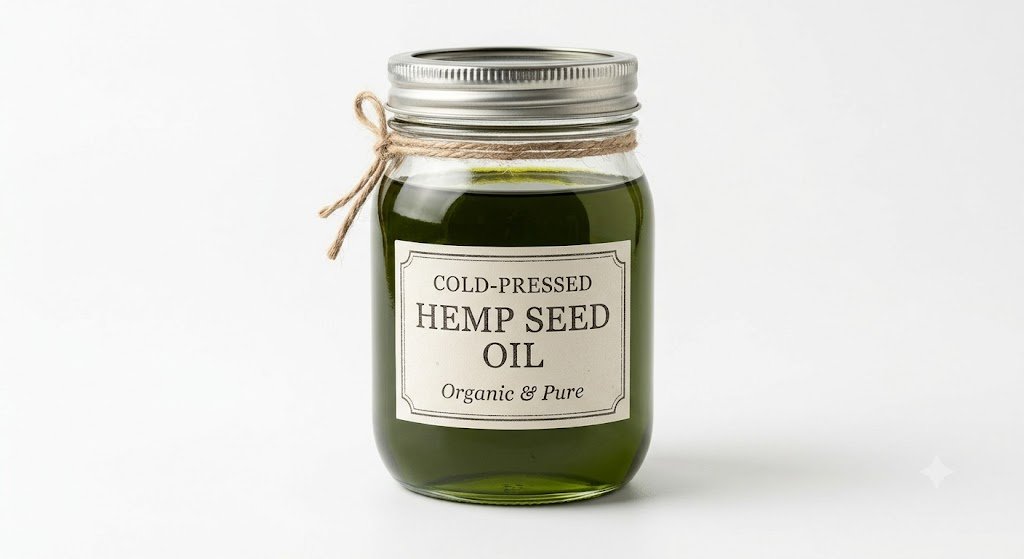
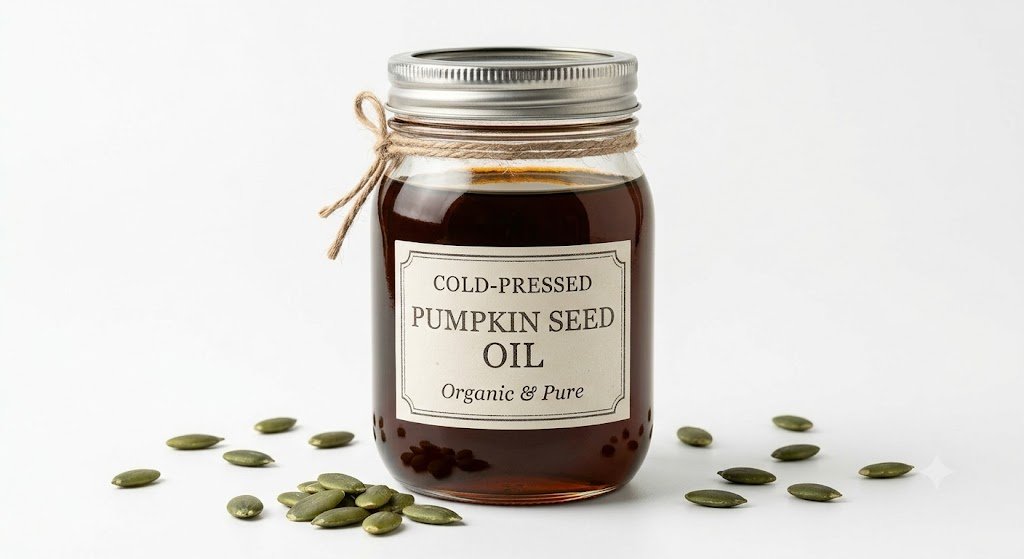

Pumpkin seed oil is a highly nutrient-dense natural fat extracted from the hulled seeds of the pumpkin plant (Cucurbita pepo). Specifically, this premium liquid lipid is obtained primarily through careful cold-pressing mechanical methods or traditional light roasting to fully protect its highly complex chemical structure from degradation. This historic fat is widely celebrated across the globe for holding an exceptional natural concentration of hormone-balancing phytosterols and specialized fat-soluble vitamins. Additionally, it features a beautifully dichromatic dark green and ruby-red color color curve, a clear viscosity, and an intensely rich, deeply nutty, and velvety flavor profile. For this reason, it has become a foundational culinary and functional fat staple in many international markets.
Originally, the parent vine species was native to the ancient, tropical ecosystems of Central America and Mexico. However, it was domesticated thousands of years ago during early indigenous agricultural periods. Later on, a unique hulless mutation emerged in the Styria region of Austria during the 19th century, transforming regional oil production systems completely. Today, it is produced extensively across Austria, Slovenia, China, and the United States. Consequently, it is prized as an elite raw finishing oil, a foundational baseline for vibrant cold dressings, a metabolic nutrient enhancer, and a modern urinary tract wellness supplement.
Because it is packed with essential polyunsaturated and monounsaturated fatty acids, protective fat-soluble nutrients, and unique active plant sterols, this seed-derived fat is highly valued. It offers incredible nutritional density alongside remarkable culinary versatility. Therefore, this comprehensive guide explores its history, nutritional profile, health advantages, traditional uses, cultivation frameworks, and practical ways to include it in your daily diet safely.
The Deep History of Pumpkin Seed Oil & Its Cultural Importance
This premium seed lipid possesses a monumental agricultural history rooted deeply in Mesoamerican survival and historical European royal tracking frameworks. Over time, it spread across the globe through continuous migration and trade.
The Historic Journey of Cucurbita Seed Natural Fats
- The Ancient Milpa Fields: Early human societies in Mesoamerica cultivated the crop as early as 7000 BCE alongside corn and climbing beans. Growth parameters prioritized the fat-dense seeds because they sustained indigenous communities through lean dry winter seasons.
- The Styrian Oil Decree: The Austrian Empress Maria Theresa issued a strict royal decree in the 18th century declaring the unrefined fat far too precious to be utilized as a simple culinary lubricant. Consequently, historical law mandated selling it strictly through apothecaries as a restorative ointment.
- Traditional Eastern Integration: Holistic medical schools heavily integrated the distinct properties of the fresh seed lipids into early daily wellness recipes. As a result, practitioners regularly utilized it to optimize internal bladder pathways and clear intestinal blockages.
- Modern Phytosterol Validation: Global scientists isolated its unique fat-soluble nutrient matrix, particularly its high delta-7-sterol concentrations, in the late 20th century. Therefore, it achieved massive contemporary popularity globally as a premium wellness superfood fat.
Botanical Description of the Pumpkin Plant
Cucurbita pepo belongs to the gourd family (Cucurbitaceae). For instance, it grows naturally as a vigorous, sprawling vine completely distinct from standard commercial grain fields or fruit orchard trees.
Structural Characteristics of Pumpkin Nut Lipids
- Growth: It grows naturally as a large, prostrate, highly branching annual climbing vine. Usually, it extends 3 to 10 meters in length across field layers and features coarse stems covered in stiff, protective bristles.
- Leaves: The plant produces massive, alternate, heart-shaped green leaves displaying 3 to 5 distinct angular lobes. In addition, these rough leaves provide a dense shadow canopy that minimizes soil moisture evaporation.
- Flowers: It bears separate male and female large, bell-shaped orange blossoms arranged singly in leaf joints. Typically, these beautiful blossoms open fully only during early morning hours, relying on bumblebees for cross-pollination.
- The Pepo Fruit: It forms a massive, hard-walled globular berry or pepo containing hundreds of flat seeds. Furthermore, cold-pressing these soft golden kernels releases the rich green-red liquid fat that holds the active nutritional matrix.
Ideal Growing Conditions for Maximum Pumpkin Seed Oil Production
This plant is a sun-loving, highly adaptable seasonal crop. Therefore, it requires long summer templates and deep, well-drained soils to develop maximum oil density within the seeds.
- Ideal Temperature: It prefers warm growing climates between 20–30°C for optimal vine extension and fruit setting. However, it is highly sensitive to spring waterlogging and sudden autumn frosts that freeze the developing fruits.
- Soil Type: It thrives best in deeply drained, loose, fertile alluvial sandy loams rich in organic humic matter. On the other hand, it absolutely cannot tolerate highly compacted, heavy clay beds that waterlog roots.
- Propagation: It is regularly grown from seeds sown directly into open field beds during late spring. Specifically, modern growers plant specialized hulless variants to maximize oil pressing efficiency.
- Harvesting Season: Farmers harvest the mature crop during early autumn when the heavy vines wither away completely and the pumpkins turn a deep orange or mottled yellow color. Specifically, they utilize mechanical crushing harvesters to gather the seeds before washing and drying them immediately.
Nutritional Profile of Raw Pumpkin Seed Oil
This cold-pressed seed fat is naturally dense in unsaturated lipids. Furthermore, it contains high amounts of fat-soluble vitamins and active protective plant sterols. As a result, it is a favorite among active individuals seeking sustained clean stamina tracking.
Essential Nutrients in Unrefined Pumpkin Seed Oil (Per 100g serving)
| Nutrient | Amount | Health Benefits |
| Energy | 884 kcal | Natural source of dense, clean, slow-releasing metabolic energy |
| Total Fat | 100.0g | 100% pure lipid matrix completely free of proteins and carbohydrates |
| Linoleic Acid (Omega-6) | 48.0g | Primary polyunsaturated fat supporting structural cellular repair loops |
| Oleic Acid (Omega-9) | 32.0g | Healthy monounsaturated fatty acid supporting overall lipid balances |
| Saturated Fat | 16.0g | Stable structural lipids present in low, balanced natural proportions |
| Vitamin E (Tocopherol) | 15.0mg | Powerful fat-soluble antioxidant protecting cell membranes from stress |
| Phytosterols | 900mg | Massive botanical sterol presence regulating optimal hormone metrics |
Note: Sourced directly from dark mechanical pressings, this liquid contains exceptional trace amounts of zinc, carotenoids, and selenium pigments. (Source: USDA FoodData Central)
Pumpkin Seed Oil Health Benefits for Your Everyday Well-being
1. Supports Elite Urinary Tract and Bladder Wellness
Packed with massive concentrations of active delta-7-sterols, it directly targets smooth muscle tissue structures surrounding the bladder. Consequently, it assists the body in maintaining optimal urinary flow metrics and tones pelvic floor comfort curves naturally.
2. Nourishes Dermal Layers and Combats Thinning Hair
Features an exceptional volume of natural Vitamin E alongside active phytosterol compounds. Specifically, whether consumed inside meals or applied topically, it helps block the enzymatic synthesis of dihydrotestosterone, supporting healthy hair thickness growth curves.
3. Lowers Systemic Cardiovascular Inflammation Markers
Its natural unrefined fat structure works efficiently with vascular health models. Because its unsaturated lipid profile helps regulate healthy low-density lipoprotein balances, it assists the body in maintaining flexible, clean arterial walls.
4. Delivers Deep Cellular Antioxidant Protection
Contains notable amounts of active carotenoids and tocopherols. Because these specialized fat-soluble pigments aggressively neutralize free radicals, they help shield vascular networks from premature cellular aging.
5. Enhances Intestinal Microbiome Comfort Pathways
The abundant fatty acid matrix works in perfect synergy with digestive tracts. For example, its natural compounds provide smooth lubrication that encourages consistent bowel transit tracking while calming lining irritation.
Traditional & Modern Culinary Uses for Pumpkin Seed Oil
1. Raw Finishing Drizzles with Pumpkin Seed Oil
First, prepare a warm bowl of roasted sweet potatoes, brown rice, or fresh vegetable minestrone soup. Then, drizzle a single tablespoon of raw pumpkin seed oil directly over the food right before serving to fully protect the delicate unsaturated bonds.
2. Classic Styrian Gourmet Salad Dressings
Combining three parts cold-pressed pumpkin seed oil with one part apple cider vinegar, a pinch of sea salt, and minced fresh garlic yields a beautiful mix. Consequently, whisking them creates a delicious dressing that pairs perfectly with field greens.
3. Nutritious Creamy Soup Enhancements
Swirling a single tablespoon of the dark green lipid directly into hot bowls of blended butternut squash or potato soup adds a beautiful visual contrast. As a result, your items gain a beautifully rich, velvety nut finish.
4. Wholesome Whole Grain Baking Toppers
Brushing a light layer of the oil over fresh whole-grain bread loaves right after they exit the baking oven allows the crust to absorb a rustic nutty depth.
How to Include Pumpkin Seed Oil in Your Daily Diet
- The Strict Cold Storage Rule: Always store pumpkin seed oil securely in a cool, dark refrigerator once opened, and never apply direct cooking heat to it; specifically, exposure to ambient heat or frying pan thermal loops destroys the fragile fatty acid bonds, turning the oil bitter.
- The Raw Finishing Habit: Prioritize utilizing this premium oil raw rather than for active frying tasks; specifically, consuming it raw ensures you capture 100 percent of the active anti-inflammatory plant sterols.
- Morning Oatmeal Stir-Ins – Drizzle a teaspoon of dark seed oil directly into your warm morning oatmeal or amaranth porridges.
- Nutritious Hummus Boosters – Stir a tablespoon into your homemade chickpea dips or avocado guacamoles before serving to enhance texture.
- Savory Dressing Whisks – Whisk the oil with fresh lemon juice and a pinch of black pepper for daily meal prep.
Side Effects & Precautions
While safe and highly beneficial for the general population, certain precautions apply:
- Consuming excessive, unmeasured quantities may contribute to a rapid surplus of daily calories due to its intense energy density.
- Frying Pan Warning: This oil has a very low tolerance for heat and a smoke point of only 160°C; therefore, it must absolutely never be used for high-heat frying, deep baking, or searing to prevent dangerous oxidation loops.
- Always purchase oil certified by reputable testers to ensure the product is not adulterated with cheap vegetable oil blends.
The Final Quality Verdict on Unrefined Pumpkin Seed Oil
Ultimately, individuals seeking to maximize their daily health advantages must prioritize fresh, cold-pressed, dark-bottled variants over highly refined commercial vegetable oil mixes. (Source: Wikipedia: Pumpkin Seed Oil)
Conclusion
In summary, Cucurbita pepo extract is a nutrient-rich seed fat celebrated for its exceptional phytosterol profile, bladder protection, and unparalleled gourmet finishing utility. From simple salad dressing enhancements to cold finishing drizzles and wholesome soup additions, pumpkin seed oil continues to reign as a vital foundational superfood fat across the earth. Whether used as a simple structural hormone balancer or a daily longevity tonic, it delivers fantastic life-giving value to a balanced lifestyle.
Therefore, start introducing raw pumpkin seed oil varieties into your weekly diet planning alongside target superfoods. Ultimately, you will enjoy its distinctively rich flavor and protective properties as part of a natural, healthy lifestyle