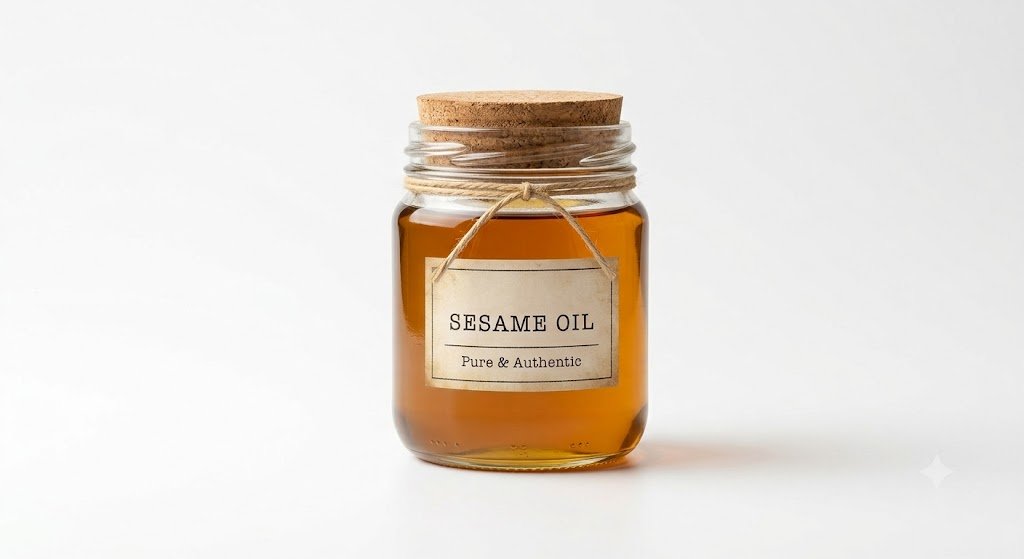

Sesame oil is a highly nutrient-dense liquid fat extracted from the small, oil-rich seeds of the sesame plant (Sesamum indicum). Specifically, this versatile lipid is obtained through cold-pressing raw seeds for a mild, clear oil or pressing toasted seeds for a deeply aromatic amber variant. This historic fat is widely celebrated across the globe for holding a highly stable antioxidant matrix that resists oxidative rancidity beautifully. Additionally, it features a beautifully complex, nutty, rich, and distinctly earthy flavor profile. For this reason, it has become a foundational culinary and functional fat staple in many international markets.
Originally, the parent plant was native to the ancient, tropical ecosystems of sub-Saharan Africa and the Indian subcontinent. However, it was domesticated over five thousand years ago as one of the single earliest oilseed crops known to humanity. Later on, it spread rapidly across East Asia, the Middle East, and the Mediterranean through historic silk trade trails and maritime migration paths. Today, it is produced extensively across Africa, China, India, and Myanmar. Consequently, it is prized as a savory stir-fry accent, a foundational base for traditional wellness therapies, a structural seasoning texturizer, and a modern nutritional supplement.
Because it is packed with a balanced profile of monounsaturated and polyunsaturated lipids, essential fat-soluble nutrients, and unique antioxidant lignans like sesamol and sesamin, this seed oil is highly valued. It offers incredible nutritional density alongside remarkable culinary versatility. Therefore, this comprehensive guide explores its history, nutritional profile, health advantages, traditional uses, cultivation frameworks, and practical ways to include it in your daily diet safely.
The Historic Origins of Sesame Oil & Its Cultural Importance
This premium seed lipid possesses a monumental agricultural history rooted deeply in early human civilizations and holistic wellness tracking systems. Over time, it spread across the globe through continuous migration and trade.
The Ancient Journey of Gingelly Oil Natural Fats
- The Dawn of Oil Extraction: Early human societies in the Indus Valley cultivated the crop as early as 3000 BCE. Growth parameters prioritized the seeds because they yielded massive fat volumes that kept perfectly under intense tropical heat waves.
- The Babylonian Luxury Trade: Ancient Mesopotamian records highly praised the oil as a luxurious food asset and primary medicine base. Consequently, historic text tablets documented using the unrefined fat as a valuable trade currency across the old world.
- Traditional Ayurvedic Integration: Eastern holistic practitioners heavily integrated the properties of the fresh seed lipids into early daily routines. As a result, they utilized it as the definitive foundation for full-body oil massages and natural oral health detoxification systems.
- Modern Antioxidant Validation: Food scientists isolated its primary active lignan compounds, including sesamol and sesamolin, in the late 20th century. Therefore, it achieved massive contemporary popularity globally as a premium heart-healthy functional fat.
Botanical Description of the Sesame Oil Plant
Sesamum indicum belongs to the Pedaliaceae family. For instance, it grows naturally as a rugged, highly resilient herbaceous annual completely distinct from standard commercial grain fields.
Structural Characteristics of Sesame Seed Lipids
- Growth: It grows naturally as an erect, branching annual herb. Usually, it reaches 0.5 to 2 meters in height and features a grooved green stem covered in tiny protective hairs.
- Leaves: The plant produces opposite, variable leaves measuring 4 to 14 cm in length. In addition, these dark green leaves transition from broad and deeply lobed at the base to narrow lanceolate structures near the top.
- Flowers: It bears attractive, tubular, bell-shaped blossoms arranged singly in the upper leaf axils. Typically, these blossoms open in beautiful shades of white, pink, or pale purple, relying heavily on local bees for cross-pollination.
- The Seed Capsule: It forms an elongated, deeply grooved, rectangular seed pod measuring 2 to 3 cm in length when fully mature. Furthermore, each capsule splits open vertically upon drying, releasing dozens of small, flat, teardrop-shaped seeds containing rich fat matrices.
Ideal Growing Conditions for Maximum Sesame Oil Yield
This plant is an exceptionally drought-tolerant, sun-loving tropical crop. Therefore, it requires long seasons of warm temperatures and well-drained soils to develop maximum oil density within its seeds.
- Ideal Temperature: It prefers warm growing climates between 25–35°C for optimal seed production. However, it cannot tolerate frost, waterlogged roots, or extended freezing drafts that stall plant extension immediately.
- Soil Type: It thrives best in well-drained, loose fertile loams or alluvial sandy soils with a completely neutral pH. On the other hand, it absolutely cannot tolerate heavy, compacted wet clay that suffocates delicate root tips.
- Propagation: It is regularly grown from seeds sown directly into open field rows during early summer. Specifically, providing minimal irrigation once established makes it an excellent choice for arid farming regions.
- Harvesting Season: Farmers harvest the crop when the lower seed capsules begin to turn dark brown and show signs of splitting. Specifically, they cut the stalks manually and stack them upright to dry completely before shaking out the loose seeds.
Nutritional Profile of Raw Sesame Oil
This unrefined seed fat is naturally dense in balanced unsaturated fatty acids. Furthermore, it contains high amounts of fat-soluble vitamins and active protective lignans. As a result, it is a favorite among active individuals seeking sustained clean stamina tracking.
Essential Nutrients in Unrefined Sesame Oil (Per 100g serving)
| Nutrient | Amount | Health Benefits |
| Energy | 884 kcal | Natural source of dense, clean, slow-releasing metabolic energy |
| Total Fat | 100.0g | 100% pure lipid matrix completely free of proteins and carbohydrates |
| Oleic Acid (Omega-9) | 40.0g | Dominant monounsaturated fat supporting optimal arterial health curves |
| Linoleic Acid (Omega-6) | 42.0g | Essential polyunsaturated fatty acid supporting structural cellular repair |
| Saturated Fat | 14.2g | Stable structural lipids present in low, balanced natural proportions |
| Vitamin E | 1.4mg | Powerful fat-soluble antioxidant protecting cell membranes from stress |
| Vitamin K | 13.6µg | Vital vitamin supporting healthy blood clotting pathways |
Note: The primary therapeutic compounds, sesamol and sesamin, do not add calories but provide powerful natural resistance against oxidation. (Source: USDA FoodData Central)
Sesame Oil Health Benefits for Everyday Wellness
1. Protects the Heart via Sesamol Antioxidants
Packed with massive concentrations of active sesamol and sesamin lignans, it directly neutralizes harmful free radicals circulating within the bloodstream. Consequently, it assists the body in protecting blood lipids from oxidizing and shields arterial walls from plaque buildup.
2. Lowers Systemic Cardiovascular Inflammation
Features an exceptional balance of heart-healthy monounsaturated and polyunsaturated fatty acids. As a result, it assists the body in maintaining optimal, clean blood pressure curves and supports healthy low-density lipoprotein markers.
3. Supports Clean Gastrointestinal Tracking
Its natural unrefined fat structure works efficiently to lubricate the intestinal pathways. Specifically, regular raw intake helps encourage smooth bowel transit tracking while providing fat-soluble nourishment to reinforce intestinal structures.
4. Promotes Excellent Oral Health via Oil Pulling
The abundant matrix of active volatile elements works closely with oral tissues. For example, swishing a tablespoon of the raw oil inside your mouth daily helps draw away harmful microbes, naturally freshening breath and reinforcing gum integrity.
5. Resists High-Heat Kitchen Oxidation Safely
Unlike most unrefined seed fats, its dense antioxidant shielding grants it a remarkably high smoke point of 210°C (for unrefined varieties). Therefore, it serves as a highly stable, safe oil for everyday pan sautés and stir-frying tasks.
Traditional & Modern Culinary Uses for Sesame Oil
1. Aromatic Stir-Fry Accent Seasoning
First, heat a tablespoon of cold-pressed sesame oil in a warm wok over medium heat. Then, toss in minced ginger, garlic, and fresh vegetables to build a beautifully fragrant, heart-healthy base for any stir-fry meal.
2. Rich Asian Finishing Drizzles with Sesame Oil
Combining a single teaspoon of deep-amber toasted sesame oil over finished soups, steamed grains, or warm plant proteins right before serving yields a beautiful baseline. Consequently, it infuses the entire dish with a rich, smoky depth.
3. Wholesome Dipping Sauces Using Sesame Oil
Whisking the oil with low-sodium tamari, fresh lime juice, a touch of maple syrup, and chili flakes creates an excellent dressing. As a result, you achieve a highly satisfying dipping sauce perfect for fresh spring rolls or grain bowls.
4. Nutritious Roasted Root Vegetables
Tossing cubed sweet potatoes, carrots, and broccoli with light sesame oil and sea salt before baking produces a beautifully textured side dish packed with protective seed antioxidants.
How to Include Sesame Oil in Your Daily Diet
- The Light vs. Dark Variety Rule: Always choose Cold-Pressed Light Sesame Oil for standard medium-heat sautéing and Dark Toasted Sesame Oil strictly as a raw finishing condiment; specifically, toasted versions possess fragile aromatics that degrade if overcooked.
- The Oral Detoxification Habit: Practice traditional oil pulling by swishing a tablespoon of raw oil in your mouth for 10 minutes every morning; specifically, this action naturally jumpstarts fresh oral hygiene.
- Grain Bowl Boosters – Drizzle a teaspoon of toasted sesame oil straight into your cooked brown rice or quinoa bowls.
- Nutritious Dressing Whisks – Blend the oil with rice vinegar, minced garlic, and fresh sesame seeds for daily meal prep.
- Warming Soup Enriched Bases – Stir a splash into your simmering green split pea or vegetable soups right before serving to add body.
Side Effects & Precautions
While safe and highly beneficial for the general population, certain precautions apply:
- Consuming excessive, unmeasured quantities may contribute to a rapid surplus of daily calories due to its intense energy density.
- Allergen Warning: Sesame seeds are globally recognized as a primary allergen; therefore, individuals with known seed sensitivities must strictly avoid the oil to prevent cross-reactive events.
- Always purchase unadulterated oils from reputable sources to ensure the product is not cut with cheap processed soybean or corn oils.
The Final Quality Verdict on Unrefined Sesame Oil
Ultimately, individuals seeking to maximize their daily health advantages must prioritize organic, cold-pressed variants over highly refined, chemically extracted commercial vegetable oils. (Source: Wikipedia: Sesame Oil)
Conclusion
In summary, Sesamum indicum extract is a nutrient-rich seed fat celebrated for its exceptional sesamol antioxidant profile, high-heat stability, and unparalleled culinary utility. From simple everyday stir-fry baselines to rich finishing drizzles and wholesome dipping sauces, sesame oil continues to reign as a vital foundational superfood fat across the earth. Whether used as a protective cooking lubricant or a daily oral cleansing tonic, it delivers fantastic life-giving value to a balanced lifestyle.
Therefore, start introducing high-quality sesame oil varieties into your weekly diet planning alongside target superfoods. Ultimately, you will enjoy its distinctively rich flavor and protective properties as part of a natural, healthy lifestyle.