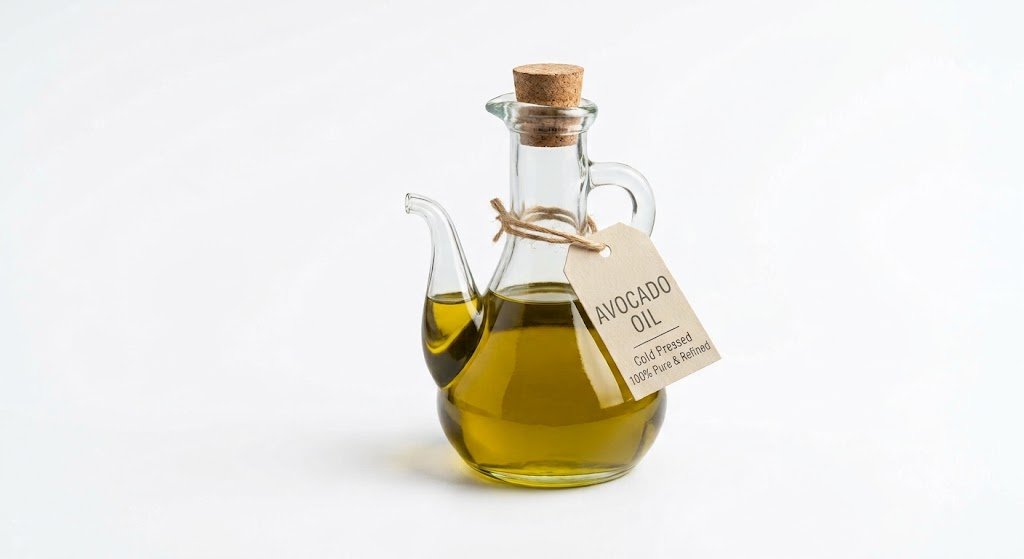

Avocado oil is a highly nutrient-dense natural lipid extracted directly from the fleshy pulp surrounding the avocado pit (Persea americana). Distinct from traditional seed oils, this unique liquid fat is derived from the actual fruit flesh. This historic fat is widely celebrated globally for its record-breaking high smoke point and profound cellular protective actions. Additionally, it features a beautifully buttery, smooth, and distinctly mild nutty flavor profile. For this reason, it has become a foundational culinary and functional fat staple in many international markets.
Originally, the parent plant was native to the ancient, sub-tropical valleys of South-Central Mexico. However, it was domesticated thousands of years ago by early Mesoamerican farming civilizations. Later on, it spread rapidly across the globe through early Spanish exploration trails and modern agricultural trade systems. Today, it is produced extensively across Mexico, New Zealand, Kenya, and the United States. Consequently, it is prized in high-heat stir-fries, raw emerald salad dressings, nourishing topical cosmetic formulations, and modern wellness dietary habits.
Because it is packed with heart-healthy monounsaturated lipids, essential fat-soluble vitamins, and a unique eye-protecting antioxidant called lutein, this pressed fruit fat is highly valued. It offers incredible nutritional density alongside remarkable culinary versatility. Therefore, this comprehensive guide explores its history, nutritional profile, health advantages, traditional uses, cultivation methods, and practical ways to include it in your daily diet.
The History of Avocado Oil & Its Cultural Significance
This premium fruit lipid possesses a rich agricultural history rooted deeply in ancient tropical forest tracking frameworks. Over time, it spread across the globe through continuous migration and trade.
The Historic Journey of Avocado Fruit Lipids
-
The Aztec Wealth Symbol: Early human societies cultivated wild variants as early as 5000 BCE in Mesoamerica. Specifically, this rich fruit provided essential creamy fats that sustained indigenous communities when meat resources were scarce.
-
The Early Extraction Attempts: Indigenous cultures originally mashed the ripe pulp to isolate crude cosmetic oils and protective skin ointments. Consequently, early colonial records heavily documented the exceptional skin-softening metrics of the unrefined fat.
-
The Modern Commercial Revolution: Food scientists successfully developed advanced cold-pressing mechanical centrifuges in the late 20th century. Therefore, commercial producers began extracting pure, food-grade oil at a massive scale without degrading its biological components.
-
Global Superfood Acclaim: The plant product quickly evolved into one of the most highly praised functional lipids globally. As a result, it is heavily celebrated in contemporary longevity and eye health research for shielding tissues from oxidative stress.
Botanical Description of the Avocado Oil Tree
Persea americana belongs to the laurel family (Lauraceae). For instance, it is closely related to other unique aromatic woody crops like chocolate, bay leaves, and sassafras rather than standard orchard trees.
Plant Characteristics of the Avocado Oil Source
-
Growth: It grows naturally as a large, fast-growing, evergreen tropical tree. Usually, it reaches 10 to 20 meters in height and features a thick, scaly gray trunk supporting a broad, leafy canopy.
-
Leaves: The plant produces large, alternate, glossy green leaves measuring 12 to 25 cm in length. In addition, these leathery leaves feature prominent veins and give off a subtle herbal aroma when crushed.
-
Flowers: It bears dense terminal panicles holding hundreds of tiny, inconspicuous greenish-yellow blossoms. Typically, these unique blossoms utilize a complex dual-opening behavior to prevent self-pollination, relying heavily on local insects.
-
The Fruit: It forms a large, pear-shaped or spherical berry measuring 7 to 20 cm in length. Furthermore, the skin turns from bright green to dark pebbled purple when ripening, encasing a thick layer of oily yellow-green pulp and a woody central seed.
Ideal Growing Conditions for Maximum Avocado Oil Yield
This plant is a sub-tropical, frost-sensitive crop. Therefore, it requires abundant year-round sunshine, rich volcanic soil profiles, and moderate, well-distributed moisture to set high-quality oily fruits.
-
Ideal Temperature: It prefers warm growing climates between 20–30°C for optimal fruit development. However, it is highly sensitive to freezing winter drafts and prolonged scorching desert winds.
-
Soil Type: It thrives best in deeply drained, loose volcanic loam or sandy soils with excellent internal drainage. On the other hand, it absolutely cannot tolerate waterlogged roots, which quickly trigger destructive root rot.
-
Propagation: It is regularly grown by grafting high-yielding varietal stems onto hardy seedling rootstocks in specialized nurseries. Specifically, growers maintain consistent moisture levels until the young trees anchor their root networks.
-
Harvesting Season: Farmers harvest the mature fruits manually using long poles equipped with cutting hooks. Specifically, because avocados only soften after being detached from the branch, they are picked hard and shipped immediately to pressing facilities.
Nutritional Profile of Unrefined Avocado Oil
This cold-pressed fruit fat is naturally dense in monounsaturated fats. Furthermore, it contains high amounts of fat-soluble vitamins, active plant sterols, and protective antioxidants. As a result, it is a favorite among active individuals seeking clean metabolic energy tracking.
Essential Nutrients in Pressed Fruit Fat (Per 100g serving)
| Nutrient | Amount | Health Benefits |
| Energy | 884 kcal | Natural source of dense, clean, slow-releasing metabolic energy |
| Total Fat | 100.0g | 100% pure lipid matrix completely free of proteins and carbohydrates |
| Oleic Acid (Omega-9) | 70.0g | Dominant monounsaturated lipid supporting optimal arterial health |
| Linoleic Acid (Omega-6) | 12.0g | Essential polyunsaturated fatty acid supporting cellular repair loops |
| Vitamin E | 13.0mg | Powerful fat-soluble antioxidant protecting cellular membranes |
| Lutein | 320µg | Vital carotenoid antioxidant concentrated heavily for eye tissue defense |
| Saturated Fat | 11.6g | Stable structural lipids present in balanced, natural proportions |
Note: Sourced directly from unrefined pulp pressings, this golden-green liquid retains unique fat-soluble pigments that standard seed oils lack entirely. (Source: USDA FoodData Central)
Avocado Oil Health Benefits for Your Body
1. Provides High-Density Lutein for Eye Health
Packed with massive concentrations of the carotenoid lutein, it directly deposits into the macular region of the human eye. Consequently, it assists the body in filtering harmful blue light waves and shields delicate visual cells from macular degeneration.
2. Lowers Systemic Cardiovascular Inflammation
Features a magnificent volume of monounsaturated oleic acid alongside active beta-sitosterol compounds. As a result, it assists the body in maintaining optimal, healthy blood pressure curves and shields arterial linings from lipid oxidation.
3. Enhances Nutrient Absorption Drastically
Its unique monounsaturated lipid matrix works efficiently with fat-soluble nutrients in the digestive tract. For example, adding a splash to your raw salads increases the absorption of alpha- and beta-carotene from vegetables by up to fifteen-fold.
4. Delivers Deep Skin Nourishment
The abundant Vitamin E and lutein elements work closely with dermal tissues. Specifically, whether consumed inside meals or applied topically, it helps support skin barrier elasticity metrics and speeds tissue healing pathways.
5. Resists Dangerous High-Heat Oxidation
The stable monounsaturated bonds create a highly resilient structure boasting a smoke point of 270°C. Therefore, it stands as one of the single safest oils for high-heat pan searing, grilling, and everyday baking.
Traditional & Modern Culinary Uses for Avocado Oil
1. High-Heat Pan Searing with Avocado Oil
First, heat a tablespoon of pure avocado oil in a heavy cast-iron skillet over high heat. Then, place your plant-based proteins or vegetables directly into the pan to achieve a beautiful, smoky sear without smoking out your kitchen.
2. Vibrant Emerald Salad Dressings
Combining three parts cold-pressed avocado oil with one part fresh lime juice, minced cilantro, and a pinch of sea salt yields a beautiful mix. Consequently, whisking them creates a delicious dressing that maximizes vegetable nutrient absorption.
3. Wholesome Baking Swaps Using Avocado Oil
Using the oil as a clean one-to-one liquid substitute for processed shortenings or hydrogenated seed oils allows you to bake dense whole-grain breads. As a result, your items gain a beautifully moist texture without any overpowering fruit odors.
4. Raw Finishing Drizzles
Pouring a light drizzle of extra virgin avocado oil over warm, cooked brown rice or quinoa bowls right before serving adds a rich, velvety body that enhances the entire meal.
How to Include Avocado Oil in Your Daily Diet
-
The Unrefined Selection Rule: Always choose Extra Virgin Unrefined Avocado Oil for raw finishing and Refined Avocado Oil for ultra-high-heat searing; specifically, unrefined versions feature a deep green color packed with active lutein, while refined versions offer maximum heat resistance.
-
The Salad Dressing Enhancement: Pair this oil with colorful leafy greens and orange root vegetables; specifically, the fat profile unlocks hidden fat-soluble antioxidants trapped within the plant walls.
-
Nutritious Morning Smoothies – Drop a single teaspoon of unrefined oil directly into your green blender recipes to smoothly boost healthy fat macros.
-
Hearty Roasted Vegetables – Toss cubed cauliflowers and sweet potatoes with avocado oil and smoked paprika before baking.
-
Healthy Mayo Bases – Whisk the oil slowly into egg yolks or aquafaba to build a clean, seed-oil-free homemade mayonnaise.
Side Effects & Precautions
While safe and highly beneficial for the general population, certain precautions apply:
-
Consuming excessive, unmeasured quantities may contribute to a rapid surplus of daily calories due to its intense energy density.
-
Allergy Note: Individuals diagnosed with specific latex allergies may display cross-reactive sensitivities to avocado fruit products; therefore, initial intake should be monitored carefully.
-
Always purchase oil certified by reputable testers to ensure the product is not adulterated with cheap soybean or canola oil blends.
Refined vs. Unrefined Avocado Oil: The Safety Verdict
Ultimately, individuals seeking to maximize their daily health advantages must prioritize pure, certified avocado oils over mystery commercial vegetable oil mixes.(Source: Wikipedia: Avocado Oil)
Conclusion
In summary, Persea americana lipid is a nutrient-rich fruit fat celebrated for its exceptional oleic acid profile, high smoke point stability, and unparalleled visual tissue defense. From simple everyday high-heat pan searing to fresh emerald dressings and raw finishing drizzling, avocado oil continues to reign as a vital foundational superfood fat across the earth. Whether used as a protective frying lubricant or a daily nutrient enhancer, it delivers fantastic life-giving value to a balanced lifestyle.
Therefore, start introducing pure avocado oil varieties into your weekly diet planning alongside target superfoods. Ultimately, you will enjoy its distinctively smooth flavor and protective properties as part of a natural, healthy lifestyle. For More such post, visit Thenaturefix.in.