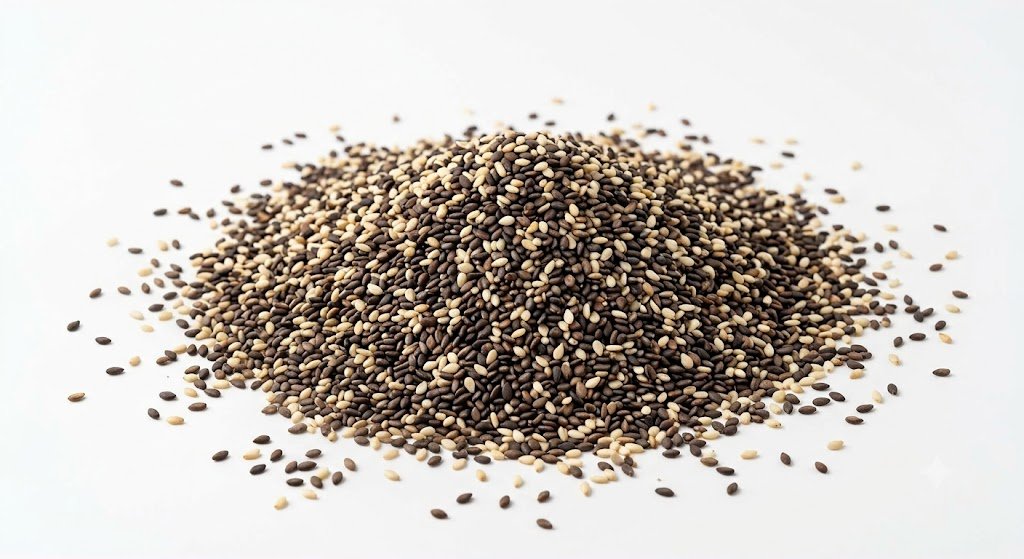

Chia seeds are a highly nutrient-dense functional food derived from the edible seed of the desert plant (Salvia hispanica). Belonging to the mint family, this tiny herbaceous product is widely celebrated for its unique hydrophilic or water-loving properties. This historic food is globally recognized for holding an exceptional natural concentration of soluble dietary fiber and essential plant-based omega-3 fatty acids. Additionally, it features a beautifully mild, neutral, and slightly nutty flavor profile along with a crisp texture that transforms into a smooth gel when hydrated. For this reason, it has become a foundational culinary and functional food staple in many international markets.
Originally, the parent plant species was native to the ancient, sun-baked volcanic valleys of Central America and Southern Mexico. However, it was domesticated thousands of years ago during the rise of early Mesoamerican farming systems. Later on, it spread rapidly across the Americas through complex Aztec regional trade networks and tribute tracking frameworks. Today, it is produced extensively across Argentina, Bolivia, Peru, and Australia. Consequently, it is prized as a clean portable whole food snack, a baseline for hydrating puddings, a functional egg substitute for baking, and a modern longevity dietary staple.
Because it is packed with essential dietary fiber, plant protein matrices, calcium structures, and a massive density of alpha-linolenic acid (ALA), this ancient seed is highly valued. It offers incredible nutritional density alongside remarkable culinary versatility. Therefore, this comprehensive guide explores its history, nutritional profile, health advantages, traditional uses, cultivation frameworks, and practical ways to include it in your daily diet safely.
The Historic Journey of Chia Seeds & Their Cultural Importance
This premium botanical seed possesses a monumental agricultural history rooted deeply in early warrior survival and traditional Aztec numerical tracking layouts. Over time, it spread across the globe through continuous migration and trade.
The Ancient History of Salvia Crop Seeds
- The Aztec Running Fuel: Early human societies across ancient Mexico relied heavily on small pouches of the grains for rapid endurance stamina. Growth parameters prioritized these plants because a single handful sustained travelers during days of continuous tracking.
- The Sacred Tribute Metrics: Historical administrative records confirmed that regional rulers demanded massive annual grain tributes from conquered provinces. Consequently, the seeds were treated as a primary currency asset alongside corn, beans, and royal amaranths.
- The Colonial Suppressions: Spanish conquistadors systematically banned the cultivation of the crop during the 16th century due to its integration into indigenous religious offerings. Therefore, the plant survived only in remote mountain valleys for centuries before its modern rediscovery.
- Modern Hydrophilic Validation: Food scientists isolated its unique mucilaginous fiber coating and rich polyunsaturated fat matrix in the late 20th century. As a result, it achieved massive contemporary popularity globally as a premier functional weight management superfood.
Botanical Description of the Chia Plant
Salvia hispanica belongs to the Lamiaceae family. For instance, it grows naturally as a rugged, branching purple-flowered annual completely distinct from standard commercial grain grass fields.
Structural Characteristics of Unrefined Chia Seeds
- Growth: It grows naturally as a bushy, erect, annual herbaceous plant. Usually, it reaches 1 to 1.5 meters in height and develops square green stems covered in fine protective hairs.
- Leaves: The plant produces opposite, thick green leaves measuring 4 to 8 cm in length. In addition, these serrated leaves feature a textured surface that gives off a subtle minty aroma when brushed.
- Flowers: It bears dense terminal spikes holding numerous small, tubular blue, purple, or white blossoms. Typically, these beautiful blossoms rely on local wild bees and self-pollinating mechanisms to develop seed pods successfully.
- The Seed Capsule: It forms tiny, smooth, oval capsules enclosing hundreds of minuscule seeds measuring about 2 mm in length. Furthermore, these seeds display mottled patterns of black, brown, and white, holding a highly concentrated internal fat matrix.
Ideal Growing Conditions for Maximum Chia Seeds Production
This plant is a sub-tropical, short-day annual crop. Therefore, it requires frost-free autumn months and well-drained soils to complete its seed-setting cycle successfully.
- Ideal Temperature: It prefers warm growing climates between 20–30°C during its primary vegetative phase. However, it is highly sensitive to early seasonal frosts and heavy tropical rainfall during the final flowering window.
- Soil Type: It thrives best in well-drained, loose sandy loams or volcanic soils with moderate fertility metrics. On the other hand, it absolutely cannot tolerate heavy, waterlogged clay that suffocates delicate roots.
- Propagation: It is regularly grown from seeds sown directly into open field beds during early summer. Specifically, its drought-tolerant nature allows it to grow beautifully with minimal supplementary irrigation once established.
- Harvesting Season: Farmers harvest the mature crop during late autumn or early winter when the flower spikes dry out completely. Specifically, they utilize mechanical combine harvesters to gather the seeds before cleaning and packaging them immediately.
Nutritional Profile of Raw Chia Seeds
This unrefined seed is naturally dense in soluble dietary fiber. Furthermore, it contains high amounts of plant-based proteins, essential minerals, and protective polyunsaturated fatty acids. As a result, it is a favorite among active individuals seeking sustained clean stamina tracking.
Essential Nutrients in Chia Seed Matrixes (Per 100g serving)
| Nutrient | Amount | Health Benefits |
| Energy | 486 kcal | Natural source of dense, clean, slow-releasing metabolic energy |
| Dietary Fiber | 34.4g | Massive fiber volume dominated by highly texturizing soluble mucilage |
| Alpha-Linolenic Acid (Omega-3) | 17.8g | Exceptionally high plant omega-3 content supporting systemic protection |
| Protein | 16.5g | High plant protein density containing all nine essential amino acids |
| Calcium | 631mg | Exceptional mineral presence supporting skeletal mineralization safety |
| Magnesium | 335mg | Crucial mineral supporting deep muscle relaxation and nervous health |
| Iron | 7.7mg | Vital mineral supporting healthy red blood cell oxygen carrier loops |
Note: A simple two-tablespoon serving delivers an astonishing 10 grams of fiber, easily fulfilling a massive chunk of your daily target percentage. (Source: USDA FoodData Central)
Chia Seeds Health Benefits for Your Everyday Well-being
1. Optimizes Digestion via Soluble Mucilaginous Fiber
Packed with massive concentrations of soluble fiber, it forms a thick gel matrix upon entering the digestive tract. Consequently, it assists the body in slowing glucose absorption, supports steady bowel transit tracking, and fuels beneficial intestinal microbes.
2. Promotes Weight Management and Lasting Satiety
Features an exceptional ability to absorb up to twelve times its weight in liquid. As a result, it expands slowly inside the stomach cavity to prolong fullness signals, naturally lowering the urge to overeat throughout the day.
3. Supports Elite Cardiovascular and Cholesterol Profiles
Its unique plant-based omega-3 fatty acid matrix works efficiently with vascular pathways. Specifically, regular intake helps maintain optimal, clean blood pressure parameters and supports healthy low-density lipoprotein markers.
4. Reinforces Skeletal Matrix Mineralization Safely
Contains a remarkable volume of calcium, phosphorus, and magnesium elements. For example, incorporating the seeds into your daily diet helps support bone density metrics, serving as an excellent dairy-free alternative for active individuals.
5. Stabilizes Post-Meal Blood Sugar Curves
The abundant combination of fiber, protein, and healthy fats works in perfect synergy to slow down digestion. Specifically, it prevents sudden insulin spikes, making it an excellent baseline food for long-term metabolic balance.
Traditional & Modern Culinary Uses for Chia Seeds
1. Simple Hydrating Chia Puddings
First, place three tablespoons of raw chia seeds into a glass jar. Then, stir in one cup of unsweetened almond milk and a touch of vanilla extract before refrigerating overnight to create a thick, nutritious breakfast base.
2. Functional Baking Egg Substitutes
Combining one tablespoon of finely ground seeds with three tablespoons of warm water yields a beautiful baseline. Consequently, letting it sit for ten minutes creates a thick gel that works perfectly to bind vegan whole-grain batters.
3. Clean Homemade Fruit Compotes
Stirring two tablespoons of the seeds into warm, mashed berries allows you to build a thick jam without using refined sugars. As a result, your toppings gain excellent texture and a massive boost of plant omega-3 fats.
4. Nutritious Morning Beverage Hydrators
Dropping a teaspoon of seeds straight into fresh lime juice, water, and a touch of raw honey produces a classic Chia Fresca that provides sustained hydration for active outdoor tracking.
How to Include Chia Seeds in Your Daily Diet
- The Pre-Hydration Comfort Rule: Always make sure to hydrate your chia seeds fully before heavy consumption; specifically, eating large amounts of dry seeds followed by insufficient water can cause them to absorb moisture inside the esophagus, triggering swallowing discomfort.
- The Raw Nutritional Habit: Avoid cooking the seeds at high pan-searing temperatures; specifically, keeping usage to raw puddings or raw finishing sprinkles fully protects the heat-sensitive alpha-linolenic acid bonds.
- Morning Oatmeal Stir-Ins – Whisk a tablespoon directly into your hot morning porridges or amaranth bowls right before eating.
- Nutritious Salad Sprinkles – Dust a teaspoon of raw seeds over fresh cucumber or green salads to add a subtle crunch.
- Yogurt and Parfait Layers – Blend the seeds into plant-based yogurts or avocado mashes to quickly optimize your healthy fat macros.
Side Effects & Precautions
While safe and highly beneficial for the general population, certain precautions apply:
- Consuming sudden, massive quantities without drinking adequate fluids may trigger temporary gastrointestinal gas, bloating, or tracking friction due to the intense fiber payload.
- Swallowing Safety Note: Individuals managing active esophageal strictures or severe structural tracking issues should always consume the seeds in their fully gelled, pre-soaked format.
- Store the seeds inside a tightly sealed container placed in a cool, dark pantry to protect the polyunsaturated fats from slowly oxidizing over time.
The Final Quality Verdict on Unrefined Chia Seeds
Ultimately, individuals seeking to maximize their daily health advantages must prioritize organic whole black or white variants over highly processed commercial snack foods featuring synthetic seed flavors. (Source: Wikipedia: Chia Seed)
Conclusion
In summary, Salvia hispanica is a nutrient-rich functional food celebrated for its exceptional soluble fiber matrix, plant-based omega-3 activation, and unparalleled culinary utility. From simple everyday hydrating puddings to baking egg substitutes, fruit compotes, and morning beverages, chia seeds continue to reign as a vital foundational superfood seed across the earth. Whether eaten as a raw finishing topper or a thick morning base, they deliver fantastic life-giving value to a balanced lifestyle.
Therefore, start introducing raw chia seed varieties into your weekly diet planning alongside target superfoods. Ultimately, you will enjoy their distinctively rich properties as part of a natural, healthy lifestyle.