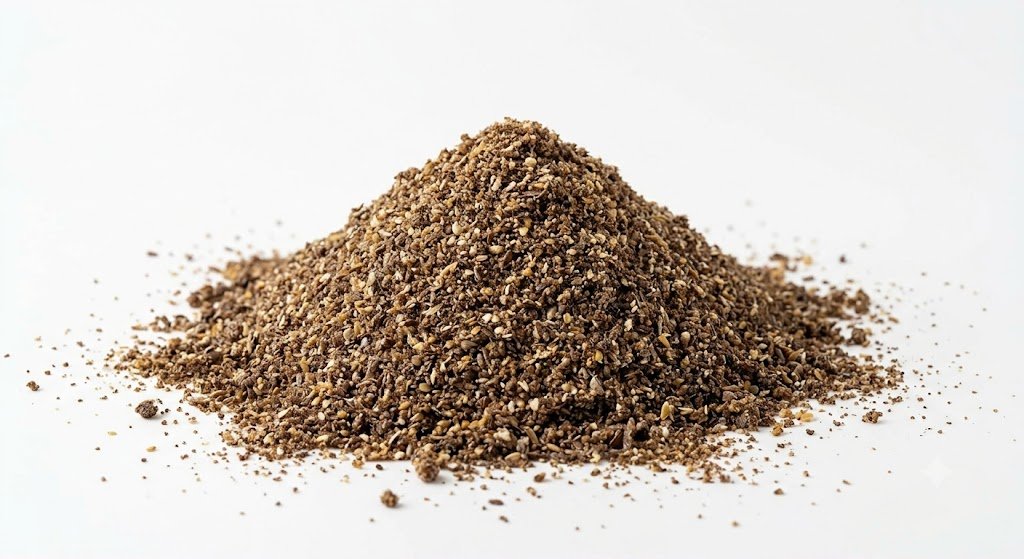
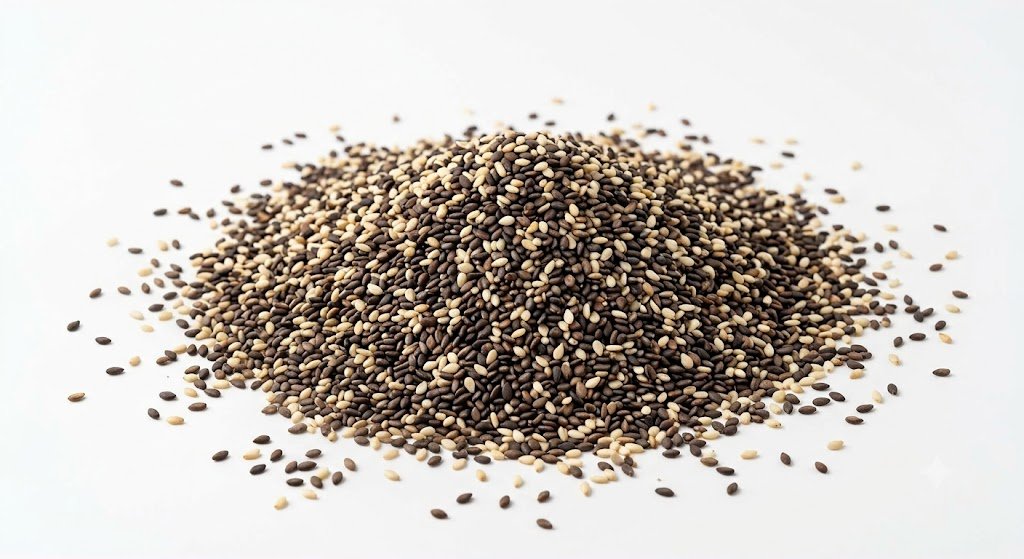

Sesame seeds are a highly nutrient-dense functional food harvested from the small, oil-rich pods of the sesame plant (Sesamum indicum). Arrayed systematically inside upright fruiting capsules, these flat, tiny treasures emerge across international agricultural markets in distinct shades of pearly white, golden buff, rich bronze, and stark jet black. This historic food is widely celebrated across the globe for holding an exceptional natural concentration of skeletal-mineralizing elements and unique antioxidant lignans. Additionally, it features a beautifully crisp texture alongside a distinctively rich, warm, deeply buttery, and nutty flavor profile. For this reason, it has become a foundational culinary and functional food staple in many international markets.
Originally, the parent plant species was native to the ancient, sub-tropical valleys and plains of sub-Saharan Africa and the Indian subcontinent. However, it was domesticated over five thousand years ago during the very dawn of early human agricultural tracking systems. Later on, it spread rapidly across East Asia, the Middle East, and the Mediterranean basin through ancient silk trade channels and maritime migration networks. Today, it is produced extensively across Africa, China, India, and Myanmar. Consequently, it is prized as a clean portable whole food nutrient booster, a foundational baseline for rich tahini pastes, a structural topping for artisanal baking, and a modern hormonal wellness staple.
Because it is packed with essential plant proteins, healthy unsaturated lipids, protective dietary fiber, and a massive density of active calcium and protective plant sterols, this ancient pod seed is highly valued. It offers incredible nutritional density alongside remarkable culinary versatility. Therefore, this comprehensive guide explores its history, nutritional profile, health advantages, traditional uses, cultivation frameworks, and practical ways to include it in your daily diet safely.
The Historic Journey of Sesame Seeds & Their Cultural Importance
This premium botanical seed possesses a monumental agricultural history rooted deeply in early human civilization survival and traditional nutritional tracking. Over time, it spread across the globe through continuous migration and trade.
The Ancient History of Sesamum Crop Kernels
- The Early Indus Valley Staples: Early human societies across ancient South Asia cultivated the drought-resistant stalks as early as 3000 BCE. Growth parameters prioritized these fields because the dry seeds provided long-lasting, shelf-stable energy that sustained populations through intense tropical heatwaves.
- The Assyrian Immortality Myths: Ancient Mesopotamian cultural legends highly praised the grains as a divine asset linked directly to universal creation frameworks. Consequently, historic text tablets documented using the unrefined kernels as a valuable barter asset and holy temple offering.
- Traditional Ayurvedic Integration: Eastern holistic practitioners heavily integrated the specific properties of the fresh seeds into early daily health routines. As a result, they utilized them to reinforce structural bone densities, draw away oral toxins, and soothe sluggish digestive tracts naturally.
- Modern Lignan and Antioxidant Acclaim: Food scientists isolated its unique fat-soluble protective compound structures, particularly its signature sesamin and sesamolin lignans, in the late 20th century. Therefore, it achieved massive contemporary popularity globally as a premier cardiovascular defense superfood.
Botanical Description of the Sesame Plant
Sesamum indicum belongs to the Pedaliaceae family. For instance, it grows naturally as a rugged, highly resilient herbaceous annual completely distinct from standard commercial grain grass fields or sprawling woody vines.
Structural Characteristics of Unrefined Sesame Seeds
- Growth: It grows naturally as an erect, branching annual herbaceous plant. Usually, it reaches 0.5 to 2 meters in height and develops a grooved green stem covered in tiny protective hairs.
- Leaves: The plant produces opposite, highly variable leaves measuring 4 to 14 cm in length. In addition, these dark green leaves transition from broad and deeply lobed at the stalk base to narrow lanceolate structures near the flowering tip.
- Flowers: It bears attractive, tubular, bell-shaped blossoms arranged singly in the upper leaf axils. Typically, these beautiful blossoms bloom in shades of white, pink, or pale purple, relying heavily on local bees for cross-pollination.
- The Capsule Pod: It forms an elongated, deeply grooved, rectangular seed pod measuring 2 to 3 cm in length when fully mature. Furthermore, each capsule splits open vertically upon drying, releasing dozens of tiny seeds holding a highly concentrated internal fat matrix.
Ideal Growing Conditions for Maximum Sesame Seeds Yield
This plant is an exceptionally drought-tolerant, sun-loving tropical crop. Therefore, it requires long seasons of warm temperatures and well-drained soil layers to complete its seed-filling phase successfully.
- Ideal Temperature: It prefers warm growing climates between 25–35°C for optimal seed production and pod extension. However, it cannot tolerate spring waterlogging, severe frosts, or extended freezing drafts that stall plant development immediately.
- Soil Type: It thrives best in well-drained, loose fertile loams or alluvial sandy soils with a completely neutral pH profile. On the other hand, it absolutely cannot tolerate heavy, compacted wet clay that suffocates delicate root networks.
- Propagation: It is regularly grown from seeds sown directly into open field rows during early summer. Specifically, its deep taproot network allows it to find moisture layers deep underground, making it an excellent crop for arid zones.
- Harvesting Season: Farmers harvest the mature crop during early autumn when the lower seed capsules turn dark brown and show signs of splitting. Specifically, they cut the stalks manually and stack them upright to dry completely before shaking out the loose seeds.
Nutritional Profile of Raw Sesame Seeds
This unrefined seed is naturally dense in plant-based minerals. Furthermore, it contains high amounts of unsaturated fats, plant proteins, and protective phytoestrogens. As a result, it is a favorite among active individuals seeking sustained clean stamina tracking.
| Nutrient | Amount | Health Benefits |
| Energy | 573 kcal | Natural source of dense, clean, slow-releasing metabolic energy |
| Total Fat | 49.7g | Clean lipid matrix dominated by heart-healthy unsaturated fats |
| Protein | 17.7g | High plant protein density supporting structural cellular repair |
| Dietary Fiber | 11.8g | Clean fiber volume supporting exceptional gastrointestinal tracking |
| Calcium | 975mg | Record-breaking mineral volume supporting deep skeletal safety |
| Magnesium | 351mg | Crucial mineral supporting deep muscle relaxation and nervous health |
| Zinc | 7.8mg | High trace mineral concentration optimizing immune cell defense loops |
Note: Choosing unhulled whole seeds delivers up to ten times more skeletal calcium than chemically stripped white hulled commercial options. (Source: USDA FoodData Central)
Sesame Seeds Health Benefits for Your Everyday Well-being
1. Reinforces Bone Density via Record Plant Calcium
Packed with an exceptional concentration of non-dairy calcium and magnesium, it directly supports the bone mineralization process within the human skeletal matrix. Consequently, it assists the body in maintaining strong structural baselines and shields aging bone frameworks from density metrics drops.
2. Modulates Hormonal Wellness via High Lignans
Features an outstanding capacity to provide structural phytoestrogens through its dense sesamin profile. As a result, it assists the body in balancing hormone metrics, making it an excellent baseline superfood for menopausal health and endocrine regulation.
3. Supports Cardiovascular and Lipid Profiles Safely
Its unique plant-based phytosterol and monounsaturated lipid matrix works efficiently to block the assimilation of dietary cholesterol. Specifically, regular intake helps maintain optimal, clean blood pressure curves and shields arterial walls from stress.
4. Boosts Immune Defenses via Zinc and Copper
Contains a remarkable volume of active trace minerals that serve as core cofactors for protective white blood cell loops. For example, incorporating the seeds into your daily diet helps speed tissue repair pathways and enhances systemic immune tracking.
5. Stabilizes Blood Sugar via High Protein and Fiber
The abundant combination of structural plant protein and dense dietary fiber works in perfect synergy to slow down digestion. Specifically, it prevents sudden post-meal insulin spikes, serving as an excellent baseline food for long-term metabolic balance.
Traditional & Modern Culinary Uses for Sesame Seeds
1. Creamy Homemade Tahini Pastes
First, place two cups of raw unhulled sesame seeds into a dry skillet over medium heat. Then, toss lightly for three minutes until fragrant before blending inside a food processor with a splash of avocado oil until perfectly smooth.
2. Wholesome Whole Grain Baking Toppings
Combining whole seeds over your whole-grain bread crusts or muffin batters yields a beautiful baseline. As a result, your baked items gain a beautifully moist texture, an excellent crunch, and a rich, toasted nutty aroma footprint.
3. Savory East Asian Gomasio Condiments
Mashing four parts toasted sesame seeds with one part coarse sea salt inside a traditional mortar and pestle allows you to build a clean seasoning blend. Consequently, this mix acts as an excellent, mineral-dense rice or soup topper.
4. Nutritious Cold Dressing Texturizers
Whisking the seeds with toasted sesame oil, tamari sauce, apple cider vinegar, and minced garlic produces a beautifully textured dressing that enhances simple field green salads.
How to Include Sesame Seeds in Your Daily Diet
- The Unhulled Selection Rule: Always choose Organic Unhulled Sesame Seeds over bleached white commercial variants; specifically, the intact outer hull casing holds the vast majority of the total bone-building calcium and protective iron payloads.
- The Light Toasting Habit: Always flash-toast your raw seeds in a dry pan for a few minutes before final consumption; specifically, this gentle heat application breaks down natural oxalates and unlocks volatile aromatic compounds.
- Morning Oatmeal Boosters – Scatter a teaspoon of mixed black and white seeds directly into your warm morning porridges or amaranth bowls.
- Nutritious Energy Balls – Mix tahini paste with rolled oats, ground flaxseeds, and raw cocoa powder before rolling into healthy midday bites.
- Savory Soup Garnishes – Drop a pinch of toasted seeds straight into your hot sweet potato, lentil, or miso purees right before serving to add texture.
Side Effects & Precautions
While safe and highly beneficial for the general population, certain precautions apply:
- Consuming excessive, unmeasured quantities may contribute to a rapid surplus of daily calories due to their intense energy density.
- Allergen Warning: Sesame seeds are globally recognized as a primary allergen category; therefore, individuals with known seed sensitivities must strictly avoid them to prevent cross-reactive medical events.
- Individuals managing active kidney stone complications should coordinate with their physician before consuming massive amounts of unhulled variants due to the natural presence of calcium oxalates within the hulls.
The Final Quality Verdict on Sesame Seed Matrices
Ultimately, individuals seeking to maximize their daily health advantages must prioritize organic unhulled whole seeds and cold-pressed tahini pastes over highly processed commercial bakery items featuring synthetic seed glazes. (Source: Wikipedia: Sesame Seed)
Conclusion
In summary, Sesamum indicum seed is a nutrient-rich functional food celebrated for its exceptional plant calcium payload, hormonal lignan balance, and unparalleled culinary utility. From simple everyday portable snacking to creamy tahini pastes, baking toppings, and savory gomasio blends, sesame seeds continue to reign as a vital foundational superfood seed across the earth. Whether eaten raw as a quick macro sprinkle or ground into rich dressings, they deliver fantastic life-giving value to a balanced lifestyle.
Therefore, start introducing raw unhulled sesame seed varieties into your weekly diet planning alongside target superfoods. Ultimately, you will enjoy their distinctively rich flavor and protective properties as part of a natural, healthy lifestyle.