
Kimchi has built a loyal following among food lovers, wellness enthusiasts, and gut-health advocates worldwide. This spicy, tangy staple packs an extraordinary amount of nutrition into a simple side dish. It also carries a research record that goes well beyond typical food hype.
Let’s look at what kimchi can genuinely do for disease prevention, where the science still needs more robust human trials, and how to enjoy it safely.
What Is Kimchi?
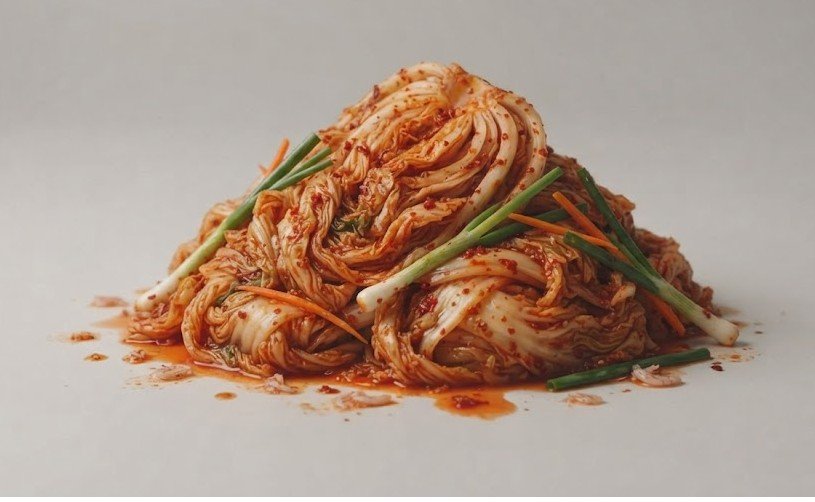
Kimchi is a traditional Korean side dish (banchan) made by salting, seasoning, and fermenting vegetables—most commonly Napa cabbage and Korean radish. The process relies on lacto-fermentation, where natural lactic acid bacteria (Lactobacillus) transform the vegetables, creating a preservation method packed with living probiotics.
A single serving delivers dietary fiber, plant-based protein, vitamins A, B, and C, and essential minerals like iron. It also features bioactive compounds from its rich paste of garlic, ginger, scallions, and gochugaru (Korean chili flakes).
How Kimchi Supports Disease Prevention
1. Gut Health and Digestive Support
This stands as kimchi’s most famous and well-established benefit. The fermentation process yields billions of beneficial probiotic bacteria.
-
The Mechanism: These live microbes help colonize the gut microbiome, crowding out harmful bacteria, enhancing barrier function, and supporting regular digestion.
-
The Research: Studies link a balanced microbiome to improved nutrient absorption, reduced systemic inflammation, and a stronger barrier against gastrointestinal distress.
2. Heart Health and Cholesterol Management
Research frequently highlights kimchi’s positive impact on cardiovascular risk factors.
-
The Mechanism: Ingredients like garlic and ginger are rich in allicin and gingerol, which help regulate lipid profiles.
-
The Research: Clinical trials suggest that regular consumption can help lower total cholesterol, LDL (“bad”) cholesterol, and blood glucose levels. Scientists attribute these benefits to a synergy between live probiotics, dietary fiber, and powerful antioxidant compounds found in the seasoning.
3. Antioxidant and Anti-inflammatory Protection
Chronic inflammation drives plaque formation in arteries and contributes to a wide range of long-term diseases.
-
The Mechanism: Kimchi is packed with antioxidants like beta-carotene, vitamin C, phenolic compounds, and active ingredients from fermented garlic and ginger. These compounds neutralize free radicals and suppress inflammatory pathways in the body.
4. Metabolic Support and Weight Management
Fermented vegetables show genuine promise for metabolic health.
-
The Mechanism: Animal and human studies indicate that kimchi consumption can support healthy body weight, improve insulin sensitivity, and assist with waist circumference reduction.
-
The Research: Researchers suggest that the combination of high fiber, live probiotics, and anti-obesity compounds produced during fermentation helps regulate fat metabolism. While it is not a weight-loss magic bullet, it offers true metabolic advantages as part of a balanced diet.
5. Immune System Support
A large portion of the human immune system resides in the gut, making kimchi a natural ally for immune defense.
-
The Mechanism: Probiotics stimulate the production of antibodies and modulate immune cell activity. Furthermore, garlic and ginger provide natural antimicrobial and antiviral properties that help the body fight off common infections.
6. Skin Health and Anti-Aging
The connection between gut health and skin clarity—known as the gut-skin axis—plays a major role here.
-
The Mechanism: The high concentration of antioxidants and probiotics helps reduce oxidative stress, which accelerates skin aging. By lowering systemic inflammation and supporting gut detoxification, regular kimchi intake may promote clearer, healthier skin.
7. Early Chronic Disease and Cellular Research
Though human trials remain ongoing, laboratory and early clinical studies have explored fermented foods for their broader protective properties.
-
The Research: Some studies indicate that certain active compounds and lactic acid bacteria found in kimchi exhibit antimutagenic and antioxidant properties in laboratory settings. These results are genuinely promising, but kimchi remains a dietary food—not a medical treatment.
How to Add Kimchi to Your Diet
Kimchi is remarkably versatile and fits easily into everyday meals:
-
Eaten fresh or aged: Enjoy it straight from the jar as a side dish (banchan) alongside warm rice.
-
In cooked dishes: When kimchi becomes heavily aged and sour, it shines in comfort foods like Kimchi Jjigae (stew), Kimchi Bokkeumbap (fried rice), or Kimchi Jeon (pancakes).
-
Start gradually: If your digestive system isn’t used to high-probiotic foods, start with a forkful or two a day and increase slowly to avoid mild bloating.
Safety Considerations
Kimchi has a long history of safe human consumption, but certain factors matter:
-
Sodium Content: Because salt is essential to the brining process, traditional kimchi is high in sodium. People monitoring their blood pressure or following low-sodium diets should keep portion sizes in mind.
-
Histamine Sensitivity: Fermented foods naturally contain histamines. If you experience headaches, flushing, or digestive discomfort after eating aged foods, you may want to stick to fresher, lightly fermented kimchi.
-
Digestive Adjustment: The sudden introduction of live probiotics and high fiber can cause temporary gas or bloating. A gradual ramp-up helps your gut microbiome adapt.
The Bottom Line
Kimchi backs up its culinary reputation with a genuinely strong research base, especially regarding gut health, heart wellness, and metabolic support. The biggest variables in enjoying kimchi are managing sodium intake and listening to how your body responds to fermentation.
Done right, it makes a delicious, low-calorie, nutrient-dense addition to a broader disease prevention lifestyle. It’s not a miracle cure standing alone, but it remains one of the world’s most flavorful superfoods.