
Hibiscus boasts a loyal following among herbalists, wellness fans, and tea lovers alike. This striking tropical flower packs powerful antioxidants, organic acids, and anthocyanins into every serving. Research supports its health benefits far beyond typical refreshment hype.
Let us examine what this plant genuinely achieves for blood pressure, heart health, and disease prevention. We will also cover areas where science needs more human trials and how to consume it safely.
What Is Hibiscus?
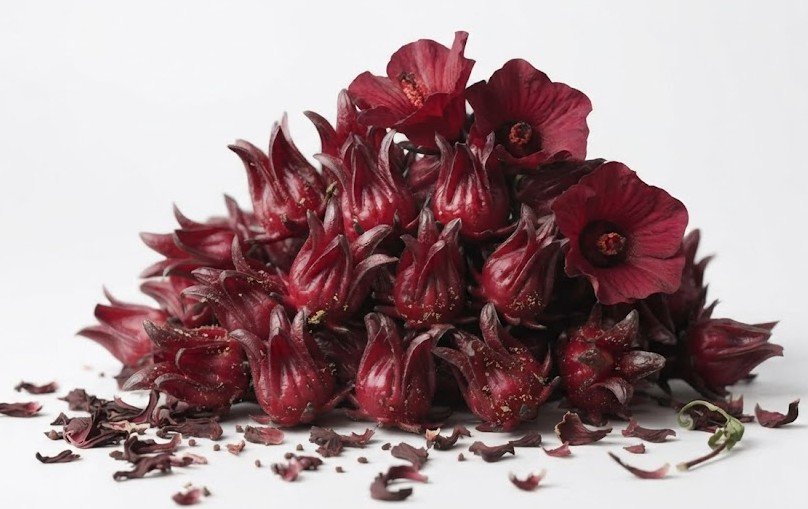
Hibiscus (Hibiscus sabdariffa), often called roselle, belongs to the mallow family (Malvaceae). It is native to tropical regions around the world and has served traditional medicine and culinary traditions for centuries. Its fleshy, deep-red calyxes—the structures enclosing the flower petals—form the base of medicinal preparations.
A single serving of the brewed calyxes delivers vitamin C, beta-carotene, and magnesium. Active plant compounds like anthocyanins, flavonoids, and organic acids create its tart, cranberry-like flavor and drive its medicinal activity.
How Hibiscus Supports Health and Disease Prevention
Blood Pressure and Cardiovascular Support
This stands as the herb’s most famous and well-researched benefit, particularly regarding hypertension and vascular health.
-
The Mechanism: Bioactive compounds act as natural ACE inhibitors, helping blood vessels relax and widen. This reduces overall resistance against blood flow.
-
The Research: Numerous clinical trials demonstrate that drinking tart hibiscus tea daily significantly lowers both systolic and diastolic blood pressure in adults with mild hypertension.
Powerful Antioxidant Protection
Oxidative stress drives cellular aging and contributes to chronic conditions ranging from heart disease to neurodegeneration.
-
The Mechanism: The deep red calyxes contain exceptionally high levels of anthocyanins. These potent antioxidants neutralize harmful free radicals and protect cells from oxidative damage.
-
The Research: Regular intake bolsters internal antioxidant defenses, protecting vascular walls and cellular structures from long-term oxidative stress.
Cholesterol and Lipid Management
Cardiovascular wellness links directly to the metabolic-regulating properties of antioxidant-rich botanical infusions.
-
The Mechanism: Extracts help improve lipid processing, supporting healthier ratios of circulating blood fats.
-
The Research: Clinical observations show that consistent consumption helps lower total cholesterol, reduce triglycerides, and support healthy LDL levels in individuals with metabolic concerns.
Liver Health and Metabolic Support
Emerging research points toward the floral extract as a supportive ally for maintaining optimal liver function and reducing fat storage.
-
The Mechanism: High polyphenol content reduces oxidative stress and suppresses inflammatory pathways within hepatic tissue.
-
The Research: Human and animal studies indicate that regular supplementation helps improve liver enzyme markers and reduces markers of fatty liver disease.
Immune Defense and Vitamin C Boost
Seasonal wellness relies heavily on cellular protection and immune system reinforcement.
-
The Mechanism: High concentrations of ascorbic acid and protective plant pigments stimulate immune cell activity and fight off pathogens.
-
The Research: Traditional use combined with modern nutritional analysis confirms that regular consumption supports the body’s natural defenses against seasonal bugs.
Weight Management Support
Because metabolism and hydration play key roles in weight control, tart herbal infusions often complement fitness goals.
-
The Mechanism: Active compounds may inhibit certain carbohydrate-digesting enzymes, slightly reducing calorie absorption from meals.
-
The Research: Preliminary clinical studies suggest that extract supplementation can support modest weight loss and reductions in body fat when paired with a healthy lifestyle.
How to Add Hibiscus to Your Diet
The plant is versatile and fits easily into daily wellness routines:
-
As a hot or iced tea: Steep dried calyxes in boiling water for 5 to 10 minutes to create a vibrant, tart crimson beverage. Sweeten lightly with honey or stevia if desired.
-
As a culinary ingredient: Use the tart syrup or dried flowers to flavor sauces, jams, dressings, and festive mocktails.
-
As an extract or supplement: Standardized capsules and liquid tinctures provide targeted cardiovascular and antioxidant support.
-
Start moderately: Follow product packaging or medical guidelines, ensuring proper dilution since the natural tartness is quite potent.
Safety Considerations for Hibiscus
The plant is remarkably safe for most individuals, but specific factors require attention:
-
Blood Pressure Medications: Because the botanical naturally lowers blood pressure, individuals taking prescription hypertension medications should monitor their readings closely to prevent levels from dropping too low.
-
Blood Sugar Medications: Active compounds can influence blood glucose, requiring caution and monitoring for anyone managing diabetes with medications.
-
Pregnancy and Breastfeeding: Concentrated therapeutic doses may influence hormone levels or stimulate uterine contractions. Pregnant and breastfeeding individuals should avoid high-dose supplements and stick strictly to moderate culinary amounts.
-
Dental Enamel Protection: Due to its high acidity, frequent sipping of concentrated tea can erode dental enamel. Drinking through a straw or rinsing the mouth with water afterward helps protect teeth.
The Bottom Line
The vibrant tropical flower backs up its culinary reputation with a strong research base, especially regarding blood pressure reduction, antioxidant defense, and heart health. Distinguishing between general refreshing beverages and concentrated therapeutic supplements remains the biggest variable in enjoying it.
Done right, it makes a protective, low-calorie, and therapeutic addition to a broader disease prevention lifestyle. It offers no standalone miracle cure, but it remains one of the most powerful and scientifically validated botanical teas in nature.