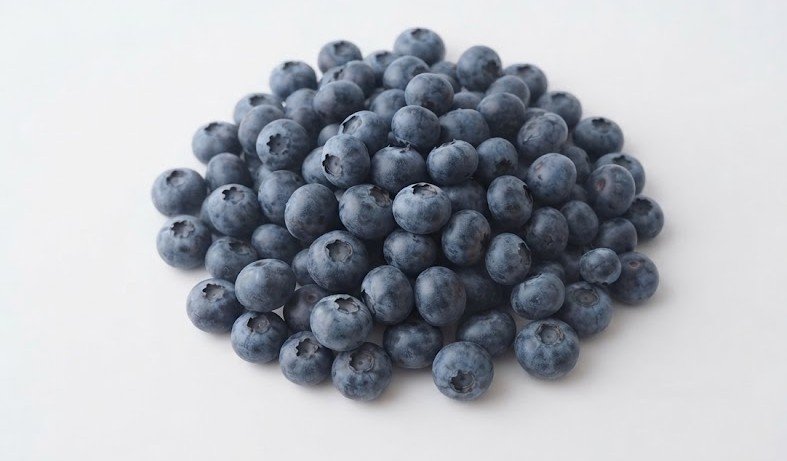

Blueberries boast a loyal following among nutritionists, brain-health enthusiasts, and dessert lovers alike. This small blue berry packs powerful anthocyanins, dietary fiber, and polyphenols into every serving. Research supports its health benefits far beyond typical fruit-hype claims.
Let us examine what this plant genuinely achieves for cognitive enhancement, cardiovascular health, and disease prevention. We will also cover areas where science needs more human trials and how to consume them safely.
What Is the Blueberry?
Blueberries (Vaccinium corymbosum), including highbush and lowbush varieties, belong to the heather family (Ericaceae). They are native to North America and have served traditional indigenous nutrition and modern wellness diets for generations. Their deep indigo berries house the active plant compounds.
A single serving of fresh or frozen berries delivers essential vitamins and minerals, including vitamin C, vitamin K, manganese, and dietary fiber. Active plant compounds like anthocyanins, proanthocyanidins, and diverse phenolic acids drive their vivid color and medicinal activity.
How Blueberries Support Health and Disease Prevention
Cognitive Enhancement and Neuroprotection
This stands as the berry’s most famous and well-researched benefit, particularly regarding memory retention and age-related cognitive decline.
-
The Mechanism: Bioactive anthocyanins cross the blood-brain barrier, reducing neuroinflammation, stimulating neural signaling in brain centers, and supporting the creation of new nerve cells.
-
The Research: Extensive clinical trials demonstrate that regular consumption significantly improves memory, executive function, and attention span in both older adults and children.
Cardiovascular Health and Blood Pressure Support
Heart health and vascular efficiency link directly to the high concentration of antioxidant-rich flavonoids found in the fruit.
-
The Mechanism: Active compounds improve endothelial function, increase arterial elasticity, and help regulate blood pressure by boosting nitric oxide production.
-
The Research: Human studies show that daily intake leads to measurable reductions in systolic blood pressure and improvements in overall lipid profiles, lowering long-term heart disease risk.
Blood Sugar Regulation and Metabolic Support
Emerging metabolic research points toward the fruit as a supportive ally for managing blood glucose and insulin sensitivity.
-
The Mechanism: Anthocyanins enhance insulin sensitivity and slow down carbohydrate digestion, preventing sharp spikes in post-meal blood sugar.
-
The Research: Clinical trials involving individuals with metabolic syndrome and prediabetes confirm that consistent supplementation improves insulin resistance markers over time.
Powerful Antioxidant and Anti-inflammatory Protection
Oxidative stress drives cellular aging and contributes to chronic conditions ranging from joint degeneration to cardiovascular disease.
-
The Mechanism: Blueberries rank among the highest of all common fruits in antioxidant capacity, neutralizing harmful free radicals and suppressing systemic inflammatory pathways.
-
The Research: Regular intake bolsters internal antioxidant enzyme defenses, protecting cellular DNA and lipids from long-term oxidative wear.
Gut Health and Microbiome Support
Gastrointestinal wellness relies heavily on dietary fiber and prebiotic compounds that nourish beneficial intestinal bacteria.
-
The Mechanism: Soluble fibers and polyphenols act as prebiotics, selectively feeding beneficial gut microbes while inhibiting pathogenic bacteria.
-
The Research: Nutritional observations indicate that regular consumption fosters a diverse, thriving microbiome, which aids smooth digestion and immune resilience.
Exercise Recovery and Muscle Support
Physical endurance and athletic repair link directly to the reduction of oxidative damage caused by strenuous exertion.
-
The Mechanism: High polyphenol content accelerates the clearance of metabolic waste products and reduces exercise-induced muscle soreness.
-
The Research: Studies on athletes show that consistent consumption speeds up muscle recovery times and attenuates markers of muscle damage following intense workouts.
How to Add Blueberries to Your Diet
The berries are versatile and fit easily into daily wellness routines:
-
Fresh as a daily snack: Enjoy a fresh half-cup to one cup of berries on their own as a nutrient-dense, low-calorie treat.
-
Blended into smoothies: Toss fresh or frozen berries into morning protein shakes or green smoothies for a burst of flavor and color.
-
Added to breakfast bowls: Stir them into oatmeal, yogurt, or chia pudding to supercharge your morning meal.
-
Start moderately: Begin with standard culinary portions (such as half a cup daily) to allow the digestive system to adapt comfortably to the increased fiber intake.
Safety Considerations for Blueberries
The fruit is remarkably safe for most individuals, but specific factors require attention:
-
Salicylate Sensitivity: Blueberries contain natural salicylates. Individuals with known sensitivities or allergies to aspirin-related compounds should consume them cautiously.
-
Blood-Thinning Medications: Because the fruit contains vitamin K and mild anti-platelet compounds, individuals taking heavy anticoagulant medications should maintain consistent daily intake rather than fluctuating wildly.
-
Digestive Adjustment: Introducing high-fiber fruits abruptly can occasionally cause mild bloating or gas in individuals unaccustomed to fiber-rich diets.
-
Pesticide Residues: Conventionally grown berries often carry pesticide residues. Choosing organic options or washing conventional fruit thoroughly helps minimize exposure.
The Bottom Line
The small indigo berry backs up its culinary reputation with an extraordinary research base, especially regarding brain health, cardiovascular support, and antioxidant defense. Distinguishing between sugary processed blueberry products and whole fresh or frozen berries remains the biggest variable in enjoying them.
Done right, they make a delicious, low-calorie, and therapeutic addition to a broader wellness lifestyle. They offer no standalone miracle cure, but they remain one of the most powerful and scientifically validated superfoods in nature.