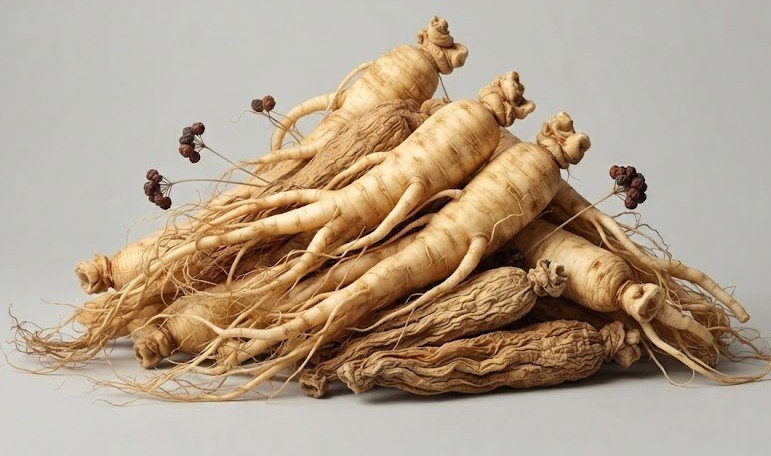

Ginseng boasts a loyal following among herbalists, wellness fans, and energy seekers alike. This knotted perennial root packs powerful ginsenosides, polysaccharides, and antioxidants into every serving. Research supports its health benefits far beyond typical vitality-tonic hype.
Let us examine what this plant genuinely achieves for energy, cognitive function, and disease prevention. We will also cover areas where science needs more human trials and how to consume it safely.
What Is Ginseng?
Ginseng (Panax ginseng, also known as Asian or Korean ginseng, alongside American ginseng Panax quinquefolius) belongs to the Araliaceae family. It is native to the mountain forests of East Asia and has served traditional medicine for thousands of years. Its slow-growing, gnarled roots house the active plant compounds.
A single serving of the cured root delivers various beneficial phytochemicals. Active plant compounds like ginsenosides (or panaxosides), polysaccharides, and polyacetylenes drive its adaptogenic and medicinal activity.
How Ginseng Supports Health and Disease Prevention
Energy and Vitality Support Using Ginseng
This stands as the herb’s most famous and well-researched benefit, particularly regarding chronic fatigue and physical stamina.
-
The Mechanism: Active ginsenosides help optimize cellular energy production and improve mitochondrial function while regulating the body’s stress hormone response.
-
The Research: Extensive clinical studies demonstrate that regular supplementation significantly reduces mental and physical fatigue, boosts athletic endurance, and improves overall quality of life.
Cognitive Enhancement and Memory Support
Mental sharpness and focus depend heavily on healthy cerebral blood flow and protection against neural oxidation.
-
The Mechanism: Bioactive compounds protect brain cells from free radical damage and promote the synthesis of neurotransmitters essential for learning and memory.
-
The Research: Clinical trials indicate that daily intake improves working memory, reaction times, and attention span in both healthy adults and individuals experiencing cognitive aging.
Immune System Reinforcement and Defense
Seasonal resilience relies on robust cellular immunity and efficient pathogen clearance.
-
The Mechanism: Polysaccharides and ginsenosides stimulate immune cell proliferation, enhancing the activity of T-cells and natural killer cells.
-
The Research: Human studies show that consistent use reduces the frequency and severity of respiratory infections, particularly among vulnerable populations.
Blood Sugar and Metabolic Regulation
Metabolic wellness links directly to insulin sensitivity and healthy glucose utilization in tissues.
-
The Mechanism: Active compounds improve pancreatic beta-cell function and enhance cellular uptake of glucose, mimicking natural insulin action.
-
The Research: Clinical trials involving individuals with and without type 2 diabetes confirm that supplementation helps lower fasting blood glucose and improve HbA1c levels.
Cardiovascular Health and Blood Flow
Heart wellness requires healthy vascular reactivity, balanced blood pressure, and protected lipid profiles.
-
The Mechanism: Extracts stimulate nitric oxide production, which helps relax blood vessels and improve circulation while preventing LDL cholesterol oxidation.
-
The Research: Observations reveal that regular consumption supports healthy blood pressure ranges and improves overall arterial stiffness.
Anti-inflammatory and Antioxidant Protection
Systemic inflammation and oxidative stress drive chronic aging processes throughout the body.
-
The Mechanism: High concentrations of phenolic constituents neutralize harmful free radicals and inhibit pro-inflammatory signaling cascades.
-
The Research: Regular intake bolsters internal antioxidant enzyme defenses, protecting cellular structures from long-term oxidative wear.
How to Add Ginseng to Your Diet
The root is versatile and fits easily into daily wellness routines:
-
As a standardized extract capsule: The most reliable way to consume therapeutic doses of standardized ginsenosides.
-
As a tea or decoction: Steep sliced dried root in hot water for 15 to 20 minutes to create an earthy, invigorating herbal infusion.
-
As a liquid tincture: Alcohol- or glycerin-based drops offer rapid absorption and easy dosage adjustment.
-
Start moderately: Follow product packaging guidelines, typically utilizing cycling approaches (such as 3 to 4 weeks on followed by 1 to 2 weeks off) to maintain effectiveness.
Safety Considerations for Ginseng
The root is remarkably safe for short-term use, but specific factors require attention:
-
Stimulant Effects: Because the plant boosts energy and alertness, high doses can cause insomnia, jitteriness, or elevated heart rate in sensitive individuals.
-
Blood Sugar Medications: Active compounds lower blood glucose, requiring close monitoring for anyone taking diabetes medications to prevent hypoglycemia.
-
Blood-Thinning Medications: The root can interfere with platelet aggregation. Individuals taking anticoagulants should consult a physician before use.
-
Hormone-Sensitive Conditions: Because certain constituents exhibit mild estrogen-like activity, individuals with hormone-sensitive conditions should seek medical guidance.
The Bottom Line
The knotted perennial root backs up its legendary reputation with a strong research base, especially regarding energy enhancement, cognitive support, and metabolic regulation. Distinguishing between general vitality teas and concentrated therapeutic supplements remains the biggest variable in enjoying it.
Done right, it makes a protective, low-risk, and therapeutic addition to a broader wellness lifestyle. It offers no standalone miracle cure, but it remains one of the most powerful and scientifically validated adaptogenic herbs in nature.