
Fermented pickles boast a loyal following among functional nutritionists, traditional food enthusiasts, and culinary fans. This remarkable probiotic delicacy packs live lactic acid bacteria, organic acids, and essential minerals into every crunchy serving. Furthermore, research supports its health benefits far beyond standard vinegar-based pickling expectations.
Let us examine what this food achieves for gut microbiome balance, electrolyte replenishment, and metabolic support. In addition, we will cover areas where science needs human trials and how to consume fermented pickles safely.
What Is a Naturally Fermented Pickle?
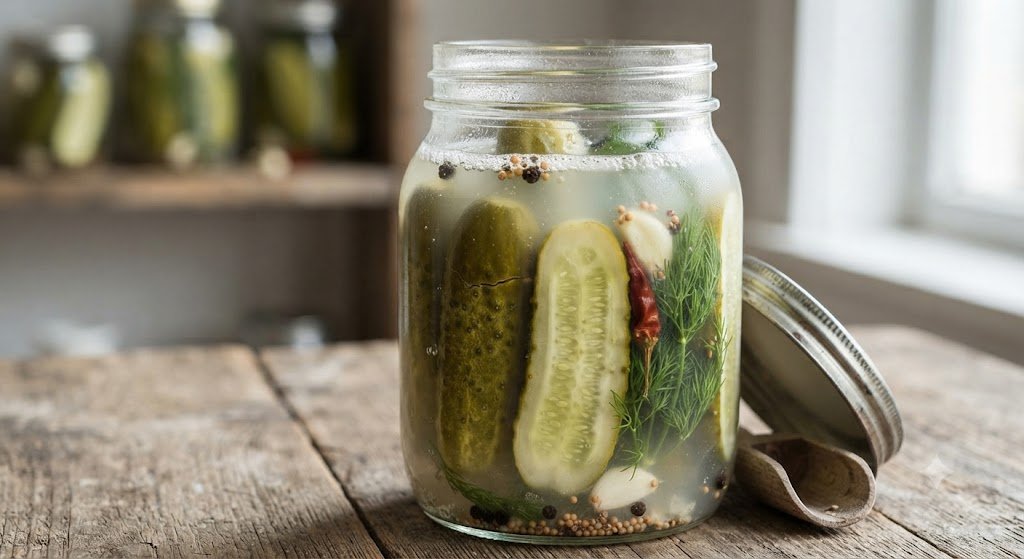
Naturally fermented pickles, widely celebrated as crisp, tangy cucumbers preserved through lacto-fermentation, are produced by submerging fresh cucumbers in a saltwater brine without vinegar. It is a preservation method practiced globally for millennia. Consequently, this beloved food has served traditional European, Asian, and Middle Eastern culinary and healing systems. Their firm textures and complex, sour flavor profiles house active phytochemicals.
A single serving delivers live probiotic cultures, bioavailable minerals, and specialized fermentation byproducts rather than heavy carbohydrates. Active compounds like Lactobacillus species, lactic acid, bioavailable electrolytes, and cucumber phytochemicals drive its therapeutic activity and nutritional properties.
How Fermented Pickles Support Health and Disease Prevention
Fermented Pickles for Gut Microbiome Balance and Digestion
Optimal gastrointestinal function relies heavily on live beneficial bacteria and organic acids that support a healthy intestinal environment.
-
The Mechanism: Live lactobacilli strains work synergistically to help populate the microbiome, crowd out undesirable microbes, and aid nutrient breakdown.
-
The Research: Gastrointestinal science shows that consistent dietary intake of naturally fermented foods significantly supports gut barrier integrity and overall digestive comfort.
Electrolyte Replenishment and Hydration Support
Cellular fluid balance and neuromuscular performance rely heavily on adequate dietary sodium, potassium, and chloride replenishment.
-
The Mechanism: The mineral-rich brine provides bioavailable electrolytes that help maintain optimal hydration status and support nerve signal transmission.
-
The Research: Nutritional evaluations demonstrate that consuming traditional fermented brine and pickles supports healthy fluid balance and muscle recovery after exertion.
Metabolic Health and Antioxidant Support
Systemic metabolic efficiency relies heavily on foods that deliver beneficial organic compounds without spiking blood sugar.
-
The Mechanism: Fermentation enhances the bioavailability of cucumber nutrients while lactic acid helps support balanced postprandial glycemic responses.
-
The Research: Metabolic studies indicate that incorporating probiotic-rich fermented vegetables into balanced diets supports overall metabolic wellness.
Immune Resilience and Gut-Mediated Defense
Systemic immune defense depends heavily on communication pathways within the gut and robust mucosal immune responses.
-
The Mechanism: Probiotic bacteria interact directly with gut-associated lymphoid tissue to help regulate inflammatory pathways and strengthen immune surveillance.
-
The Research: Biochemical assessments confirm that regular consumption of live-culture fermented vegetables provides cellular protection and supports immune resilience.
How to Add Fermented Pickles to Your Diet
The therapeutic probiotic food is versatile, functioning as a crisp, tangy culinary addition to diverse everyday dishes:
-
Served alongside sandwiches: Place crisp fermented pickle spears next to grain bowls, wraps, or sandwiches for a sharp, savory crunch.
-
Chop into potato or grain salads: Dice naturally fermented pickles to add deep umami and probiotic tang to homemade salads.
-
Sip small amounts of brine: Drink a small splash of the probiotic-rich pickle juice as a quick post-workout electrolyte boost.
-
Verify fermentation method: Ensure your pickles are explicitly labeled “naturally fermented” or “lacto-fermented” in the refrigerated section, as standard shelf-stable pickles use vinegar and pasteurization that destroys live cultures.
Safety Considerations for Fermented Pickles
The nutrient-dense food is remarkably safe for most individuals. However, specific physiological factors require attention:
-
Sodium Content Awareness: Because natural fermentation requires a salt brine, individuals managing strict blood pressure restrictions or chronic kidney conditions should monitor portion sizes carefully.
-
Gastric Acidity Sensitivity: Because these pickles are rich in organic acids and salt, consuming excessive quantities at once may cause mild acid reflux or oral sensitivity in sensitive individuals.
-
Refrigeration Requirements: Always keep naturally fermented pickles refrigerated to slow further fermentation and preserve their live probiotic populations.
-
Sourcing and Quality: Avoid pasteurized shelf-stable pickles if you seek live probiotics, as heat processing eliminates the beneficial bacteria.
The Bottom Line
The fascinating fermented delicacy backs up its traditional culinary reputation with a solid modern research base. Specifically, this wonderful food shines regarding gut microbiome balance, electrolyte support, and digestive vitality. Therefore, monitoring sodium intake and choosing genuine unpasteurized options remains the biggest variable in enjoying fermented pickles safely.
Done right, naturally fermented pickles make a protective, therapeutic, and delicious addition to a broader wellness lifestyle. They offer no standalone miracle cure. Yet, fermented pickles remain one of the most vibrant and probiotic-rich vegetable preparations in the natural world.