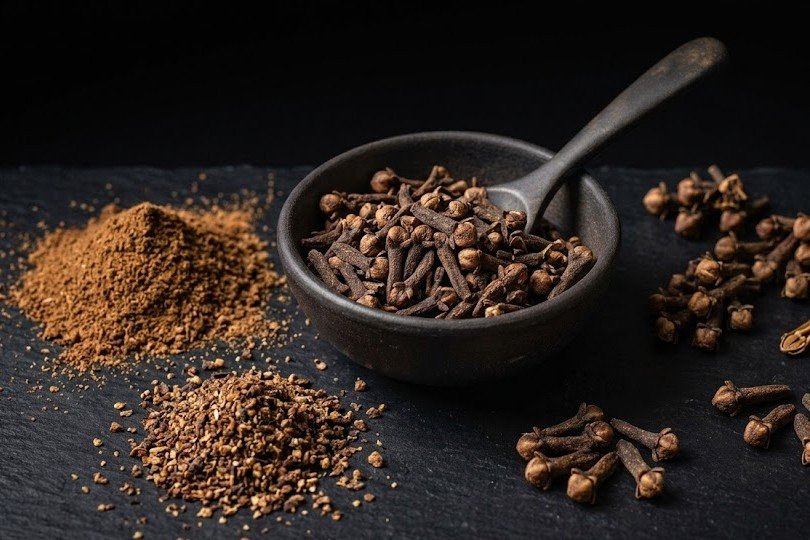

Clove is a highly nutrient-dense spice belonging to the myrtle family (Myrtaceae). Specifically, this tropical evergreen tree is grown globally for its intensely aromatic, dried flower buds. This historic spice is widely celebrated for possessing the single highest antioxidant value score among all culinary herbs and spices. Additionally, it features a beautifully bold, warm, pungent, and distinctly sweet-spicy flavor profile. For this reason, it has become a foundational culinary and functional food staple in many international markets.
Originally, the plant was native to the ancient, volcanic Maluku Islands of eastern Indonesia. However, it was domesticated thousands of years ago during early regional trading eras. Later on, it spread rapidly across the globe through historic Chinese dynastic networks, Roman maritime routes, and European colonial spice wars. Today, it is grown extensively across Madagascar, Indonesia, Tanzania, and India. Consequently, it is prized in comforting winter stews, aromatic baking blends, soothing throat infusions, and modern therapeutic dental formulations.
Because it is packed with essential minerals, protective volatile oils, and a unique bioactive organic compound called eugenol, this flower spice is highly valued. It offers incredible nutritional density alongside remarkable culinary versatility. Therefore, this comprehensive guide explores its history, nutritional profile, health benefits, traditional uses, cultivation methods, and practical ways to include it in your daily diet.
The History of Clove & Its Cultural Importance
This spice has a dramatic agricultural history rooted deeply in maritime empires and competitive trading structures. Over time, it spread across the globe through continuous migration and trade.
Clove Through the Ages
- The Imperial Court Protocol: Ancient Chinese texts from the Han Dynasty document that visitors were strictly required to hold a whole bud in their mouths. Specifically, this historic practice ensured sweet breath before speaking directly to the Emperor.
- The Roman Apothecary Luxuries: Traveling silk merchants distributed the dried buds into early European ports centuries ago. Consequently, it quickly established itself as an incredibly rare, heavily guarded commodity reserved strictly for royal families.
- The Moluccan Monopolies: European colonial navies fought historic battles during the Age of Discovery to seize control of the limited growing islands. Therefore, the race for these tiny dried buds directly driven early global maritime expansions.
- Modern Scientific Recognition: Global scientists isolated its primary active monoterpene, eugenol, in the late 20th century. As a result, it is heavily celebrated in contemporary dentistry and longevity research for shielding cellular tissues from intense oxidative stress.
Botanical Description of Clove
Syzygium aromaticum belongs to the Myrtaceae family. For instance, it is closely related to other unique aromatic woody plants like allspice, eucalyptus, and guava.
Plant Characteristics
- Growth: It grows naturally as a medium-sized, symmetrical, tropical evergreen tree. Usually, it reaches 8 to 12 meters in height and features smooth gray bark alongside large, oval green leaves.
- Leaves: The plant produces large, opposite, glossy green leaves packed with translucent oil glands. In addition, these leaves give off a strong spicy fragrance when crushed.
- Flowers: It bears dense terminal clusters displaying small, pale green flower buds that turn a vibrant pinkish-red when ready for harvest. Typically, if left unpicked, these buds open into delicate white blossoms.
- The Dried Bud: Drying the harvested buds under the sun turns them into dark brown, hard, nail-like structures. Furthermore, each bud consists of a long, tapered shaft topped by four spreading calyx teeth enclosing a small central ball.
Growing Conditions
This plant is a strict maritime, tropical crop. Therefore, it requires warm seasonal temperatures, abundant annual rainfall, and sea-dappled maritime drafts to develop maximum internal essential oil density.
- Ideal Temperature: It prefers warm growing climates between 20–30°C for optimal bud development. However, it is highly sensitive to cool mountain drafts, dry seasonal spells, and frost.
- Soil Type: It thrives best in well-drained, loose volcanic loam or rich alluvial soils found on sloped coastlines. On the other hand, it cannot tolerate waterlogged fields or heavy, compacted wet clay that rots delicate root tips.
- Propagation: It is regularly grown from seeds started in sheltered nursery beds before field transplanting. Specifically, providing adequate early shade templates is vital for young sapling survival.
- Harvesting Season: Farmers typically harvest the buds manually just before they bloom. Specifically, they climb the branches to pick the pinkish clusters before sun-drying them on large woven mats.
Nutritional Profile of Clove
This flower spice is naturally dense in unique cellular protecting elements. Furthermore, it contains high amounts of dietary fiber, essential manganese, and protective antioxidant vitamins. As a result, it is a favorite among active individuals seeking to optimize their daily food tracking.
Nutrients (Per 100g Ground Whole Spice Serving)
| Nutrient | Amount | Health Benefits |
| Energy | 274 kcal | Natural source of concentrated, slow-releasing metabolic energy |
| Protein | 6.0g | Supplies basic structural plant building blocks for cells |
| Dietary Fiber | 33.9g | Massive fiber volume supporting exceptional digestive tracking |
| Manganese | 60.1mg | Massive mineral volume supporting optimal bone metabolism pathways |
| Calcium | 632mg | High mineral volume supporting skeletal density and cell signaling |
| Iron | 11.8mg | High mineral volume supporting healthy red blood cell production |
| Magnesium | 259mg | Supports deep muscle relaxation and nervous system health |
Note: Sourced from core database metrics, it offers an astonishingly dense mineral profile, with a single teaspoon easily providing over half of your daily value for manganese. (Source: USDA FoodData Central)
Clove Benefits for Your Everyday Health
1. Delivers Maximum Antioxidant Activity
Packed with the highest ORAC value among culinary superfoods, it actively neutralizes cellular free radicals. Consequently, it assists the body in protecting structural cell linings from premature aging.
2. Promotes Elite Oral Hygiene
Features a high concentration of natural eugenol. Because this specialized compound acts as a natural anesthetic and antimicrobial agent, it helps ease local tooth discomfort and freshens breath.
3. Supports Healthy Digestive Comfort
Its natural volatile elements work efficiently with the gastrointestinal tract. Specifically, it helps stimulate the production of healthy digestive enzymes and relaxes smooth tracking muscles to clear post-meal bloating.
4. Lowers Systemic Inflammation
Its natural eugenol molecules work efficiently with cellular pathways. As a result, it assists the body in maintaining optimal, low-inflammatory markers across joint and muscle tissues.
5. Enhances Meals Naturally
Brings a warm, sweet, intensely complex aroma, and unmistakable deep savory finish to daily home cooking without introducing artificial synthetic enhancers.
Traditional & Modern Culinary Uses for Clove
1. Comforting Spiced Herbal Teas
First, crush three whole clove buds lightly to expose the internal oils. Then, simmer in two cups of boiling water alongside a cinnamon stick for ten minutes, finishing with raw honey.
2. Aromatic Slow-Cooked Stews
Studding a whole onion with four clove buds and dropping it straight into simmering green lentil stews yields a beautiful baseline. Consequently, it allows the broth to absorb a subtle, warm depth.
3. Wholesome Whole Grain Baking
Stirring a tiny pinch of ground cloves into your whole-grain muffin or bread batters allows the dough to absorb a beautiful, festive aroma and deep sweet-spicy taste.
4. Rich Roasted Fruit Glazes
Combining a pinch of ground clove powder with melted coconut oil and a light splash of maple syrup creates an excellent glaze for baking sweet pears or apples.
How to Include Clove in Your Diet
- The Power Pinch Rule: Use ground cloves very sparingly (a sixteenth of a teaspoon goes a very long way); specifically, its intense essential oil density can easily overpower a dish if used too generously.
- Daily Oral Freshness – Chew on a single whole clove bud for a few minutes after meals; specifically, this action naturally jumpstarts fresh breath and healthy gums.
- Nutritious Oatmeal Boost – Sprinkle a micro-pinch of ground cloves into your warm morning porridge or pumpkin mashes.
- Hearty Roasted Soups – Blend a tiny pinch of the ground spice into your roasted carrot or butternut squash soups to add depth.
- Warming Dressing Whisks – Whisk a tiny drop of clove infusion into cold-pressed avocado oil and apple cider vinegar.
Side Effects & Precautions
While safe and highly beneficial for the general population in standard culinary amounts, certain precautions apply:
- Consuming enormous, highly concentrated therapeutic quantities of pure isolated clove essential oil orally must be strictly avoided, as it can cause liver strain and stomach lining irritation.
- Therapeutic Guidance: Eugenol displays natural mild anti-platelet activity; therefore, individuals monitoring active blood-thinning therapies should consult their physician before taking concentrated supplements.
- Pure clove oil should never be applied directly to open oral wounds without proper dilution in a carrier oil like olive oil.
Ultimately, individuals seeking to maximize their daily wellness benefits should prioritize whole or ground dried buds over questionable synthetic flavor extracts. (Source: Wikipedia: Clove)
Conclusion
In summary, Syzygium aromaticum is a nutrient-rich spice celebrated for its exceptional eugenol profile, unmatched antioxidant activity, and unparalleled culinary utility. From simple spiced teas to aromatic stews and oral care routines, clove continues to reign as a vital foundational superfood across the earth. Whether eaten as a whole bud or a vibrant ground powder, it delivers fantastic life-giving value to a balanced lifestyle.
Therefore, start introducing a tiny pinch of ground clove into your weekly diet planning alongside target superfoods. Ultimately, you will enjoy its distinctively rich aroma and protective properties as part of a natural, healthy lifestyle.