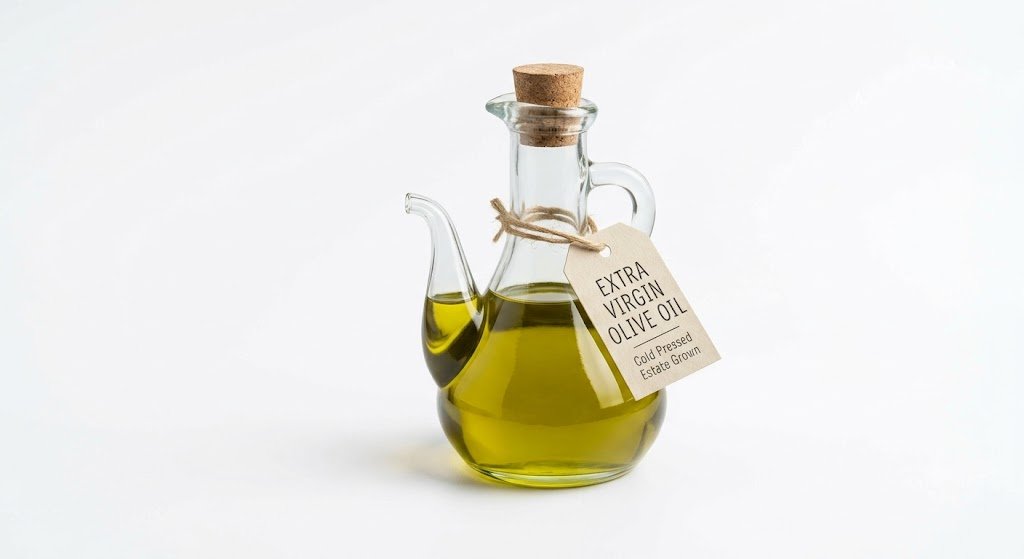

Extra virgin olive oil (EVOO) is a highly nutrient-dense natural fat extracted from the fruit of the olive tree (Olea europaea). Specifically, this liquid gold is obtained solely through mechanical pressing without using chemical solvents or excessive heat. This historic fat is widely celebrated across the globe for its unmatched ability to protect the cardiovascular system and combat cellular stress. Additionally, it features a beautifully complex, fruity, peppery, and slightly bitter flavor profile. For this reason, it has become a foundational culinary and functional fat staple in many international markets.
Originally, the plant was native to the ancient coastal regions of the Mediterranean basin. However, it was domesticated over six thousand years ago during the birth of early classical agriculture. Later on, it spread rapidly across southern Europe, North Africa, and the Middle East through ancient maritime Phoenician and Roman trade routes. Today, it is produced extensively across Spain, Italy, Greece, and Tunisia. Consequently, it is prized as a clean raw finishing oil, a foundational baseline for Mediterranean cooking, a dressing texturizer, and a modern longevity supplement.
Because it is packed with monounsaturated fatty acids, essential fat-soluble vitamins, and a unique class of protective polyphenols like oleocanthal, this fruit oil is highly valued by international nutritionists. It offers incredible nutritional density alongside remarkable culinary versatility. Therefore, this comprehensive guide explores its history, nutritional profile, health benefits, traditional uses, cultivation methods, and practical ways to include it in your daily diet safely.
The History of Extra Virgin Olive Oil & Its Cultural Importance
This fat has a monumental agricultural history rooted deeply in the classical civilizations of the Old World. Over time, it spread across the globe through continuous migration and trade.
Olive Oil Through the Ages
-
The Sacred Tree of Antiquity: Ancient Greek mythology states that the goddess Athena gifted the olive tree to humanity to bring perpetual light, heat, and nourishment. Specifically, this breakthrough provided a vital economic asset that built early maritime trade empires.
-
Liquid Gold Currency: Homer famously described the golden juice as “liquid gold” in his historic epic poems. Consequently, the Roman Empire regulated its production strictly, using it as a primary currency, body ointment, and fuel for holy lamps.
-
The Mediterranean Diet Discovery: An international Seven Countries Study highlighted the extraordinary health of Mediterranean populations in the mid-20th century. As a result, scientists recognized this unrefined fat as a primary driver of exceptional local longevity.
-
Modern Biochemical Validation: Global researchers isolated its primary active components, including oleic acid and oleuropein, in the late 20th century. Consequently, it is heavily celebrated in contemporary cardiology for shielding arterial linings from intense oxidative damage.
Botanical Description of the Olive Tree
Olea europaea belongs to the Oleaceae family. For instance, it is closely related to other unique woody woody plants like ash trees, jasmine, and lilacs.
Plant Characteristics
-
Growth: It grows naturally as a small, slow-growing, highly gnarled evergreen tree. Usually, it reaches 8 to 15 meters in height and displays an incredibly long lifespan, often living for centuries.
-
Leaves: The plant produces small, opposite, lanceolate silvery-green leaves. In addition, these leathery leaves feature a dark green upper surface and a pale, downy underside designed to minimize moisture loss.
-
Flowers: It bears small, delicate, white or cream-colored blossoms arranged in loose clusters along the leaf axils. Typically, these blossoms emerge during late spring, relying heavily on wind patterns for cross-pollination.
-
The Fruit: It forms a small, fleshy drupe or stone fruit measuring 1 to 2.5 cm in length when developing. Furthermore, the olive changes color systematically from green to deep purple or black when fully mature, encasing a hard central pit.
Growing Conditions
This plant is a classic Mediterranean crop. Therefore, it requires long, hot, dry summers and mild, wet winters to develop maximum internal oil density within the fruit.
-
Ideal Temperature: It prefers warm growing climates between 20–35°C during the active fruiting phase. However, it requires a light winter chill to trigger bud development while remaining highly sensitive to deep freezes.
-
Soil Type: It thrives best in well-drained, loose calcareous, rocky, or sandy soils on sloped hillsides. On the other hand, it cannot tolerate waterlogged roots or heavy, compacted wet clay that causes root rot.
-
Propagation: It is regularly grown from structural stem cuttings or grafted saplings planted straight into open orchard rows. Specifically, trees require minimal irrigation once their extensive root systems establish deep footholds.
-
Harvesting Season: Farmers typically harvest the fruits during late autumn or early winter. Specifically, they shake the branches manually or mechanically to collect olives on large nets before transporting them to mills immediately.
Nutritional Profile of Extra Virgin Olive Oil
This unrefined fat is naturally dense in cardioprotective lipids. Furthermore, it contains high amounts of fat-soluble vitamins and active protective polyphenols. As a result, it is a favorite among active individuals seeking clean energy tracking.
Nutrients (Per 100g Pure Liquid Fat Serving)
| Nutrient | Amount | Health Benefits |
| Energy | 884 kcal | Natural source of dense, clean, slow-releasing metabolic energy |
| Total Fat | 100.0g | 100% pure lipid matrix completely free of carbohydrates and sugars |
| Oleic Acid (Omega-9) | 73.0g | Dominant monounsaturated fat supporting optimal arterial health |
| Vitamin E | 14.4mg | Powerful fat-soluble antioxidant protecting cell membranes |
| Vitamin K | 60.2µg | Vital vitamin supporting healthy blood clotting pathways |
| Saturated Fat | 13.8g | Stable structural fats present in balanced, natural proportions |
| Polyunsaturated Fat | 10.5g | Essential essential fatty acids supporting cellular repair loops |
Note: Sourced directly from unrefined mechanical pressings, the oil contains a massive density of heat-sensitive minor components that processed oils lack entirely. (Source: USDA FoodData Central)
Extra Virgin Olive Oil Benefits for Your Everyday Health
1. Supports Elite Cardiovascular Wellness
Packed with massive concentrations of monounsaturated oleic acid, it actively helps reduce low-density lipoprotein levels while maintaining protective high-density profiles. Consequently, it assists the body in maintaining optimal, clean blood pressure curves and flexible arterial pathways.
2. Lowers Systemic Inflammation
Features a unique bioactive polyphenol called oleocanthal, which demonstrates natural properties similar to ibuprofen. As a result, it assists the body in downregulating chronic inflammatory pathways across joint and muscle tissues.
3. Provides Deep Antioxidant Defense
Contains an exceptional volume of Vitamin E and Secoiridoids. Because these specialized compounds aggressively neutralize free radicals, they help shield vascular cells from premature aging and lipid peroxidation.
4. Boosts Cognitive Vitality
Its natural fat matrix works efficiently with brain cell structures. For example, regular consumption helps support clean neural communication models and shields brain networks from cognitive declines.
5. Enhances Meals Naturally
Brings a rich, peppery punch, complex fruity aroma, and unmistakable deep texture to daily home cooking without introducing highly processed chemical texturizers.
Traditional & Modern Culinary Uses for Extra Virgin Olive Oil
1. Clean Raw Finishing Drizzles
First, prepare a warm plate of roasted vegetables or fresh whole grains. Then, drizzle a generous tablespoon of raw extra virgin olive oil directly over the food right before serving to preserve heat-sensitive polyphenols.
2. Classic Zesty Vinaigrettes
Combining three parts extra virgin olive oil with one part apple cider vinegar, minced garlic, and dried oregano yields a beautiful emulsion. Consequently, whisking them creates an excellent protective coating for fresh green salads.
3. Aromatic Bread Dips
Pouring the oil into a shallow dish along with fresh cracked black pepper, a pinch of sea salt, and minced rosemary creates an excellent appetizer dip that pairs beautifully with whole-grain sourdough.
4. Light Healthy Sautés
Using the oil as a foundational base to cook chopped onions, garlic, and fresh greens over medium heat allows the food to absorb the protective antioxidants without degrading the fat structure.
How to Include Extra Virgin Olive Oil in Your Diet
-
The Dark Bottle Rule: Always purchase extra virgin olive oil stored securely in dark tinted glass bottles and keep it away from direct sunlight; specifically, clear bottles allow light to rapidly oxidize the delicate polyphenols, turning the oil rancid.
-
The Raw Finishing Habit: Prioritize using your highest-quality oil raw rather than for heavy frying; specifically, consuming it raw ensures you capture 100 percent of the active anti-inflammatory oleocanthal.
-
Grain Bowl Boosters – Stir a tablespoon of golden oil directly into your cooked quinoa or brown rice bowls.
-
Nutritious Morning Swaps – Replace refined seed oils or processed spreads completely with unrefined olive oil in your daily meal prep.
-
Spicy Dressing Whisks – Blend the oil with fresh lemon juice and a pinch of cayenne pepper for a fast metabolic kick.
Side Effects & Precautions
While safe and highly beneficial for the general population, certain precautions apply:
-
Consuming excessive, unmeasured quantities may contribute to a rapid surplus of daily calories due to its high energy density.
-
Cooking Warning: High-quality extra virgin olive oil has a moderate smoke point of approximately 190–210°C; therefore, it should not be utilized for deep frying or high-heat commercial searing to avoid smoking.
-
Always look for certified harvesting stamps on the bottle to ensure you are buying genuine 100% extra virgin oil rather than cheap seed oil blends.
Ultimately, individuals seeking to maximize their daily health advantages must prioritize organic, cold-pressed extra virgin variants over refined “light” olive oils. (Source: Wikipedia: Extra Virgin Olive Oil)
Conclusion
In summary, Olea europaea is a nutrient-rich natural fat celebrated for its exceptional oleic acid profile, polyphenol anti-inflammatory defense, and unparalleled culinary utility. From simple everyday raw dressings to warm finishing drizzles and light healthy sautés, extra virgin olive oil continues to reign as the ultimate superfood fat across the earth. Whether used as a simple culinary lubricant or a daily longevity tonic, it delivers fantastic life-giving value to a balanced lifestyle.
Therefore, start introducing high-quality extra virgin olive oil into your weekly diet planning alongside target superfoods. Ultimately, you will enjoy its distinctively rich flavor and protective properties as part of a natural, healthy lifestyle