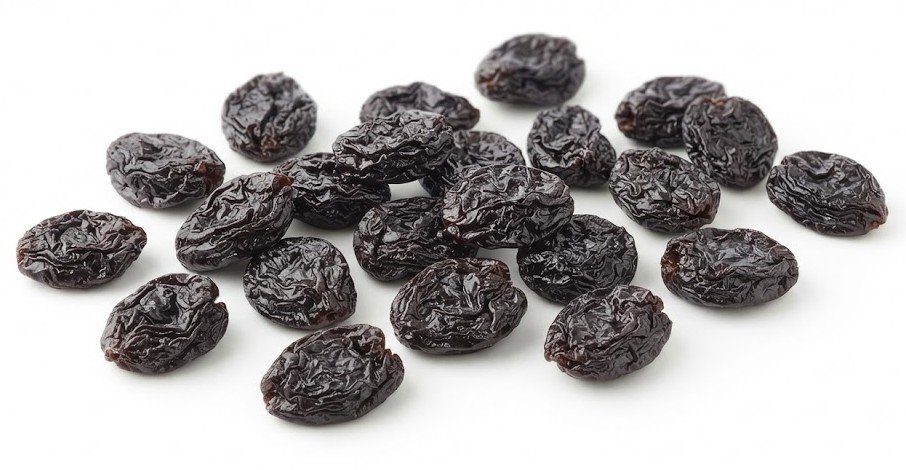

Prunes boast a loyal following among functional nutritionists, holistic health seekers, and culinary traditionalists alike. This remarkable, dried fruit packs powerful dietary fiber, phenolic compounds, and vitamin K into every serving. Research supports its health benefits far beyond typical dried-fruit expectations.
Let us examine what this plant genuinely achieves for digestive regularity, bone density, and cardiovascular support. Furthermore, we will cover areas where science needs more human trials and how to consume prunes safely.
What Is a Prune?
Prunes (Prunus domestica), widely celebrated as dried plums, are the sweet, nutrient-dense dried fruit of specific deciduous tree cultivars belonging to the rose family (Rosaceae). They are native to regions around the Caspian Sea and Western Asia. Consequently, this beloved food has served traditional culinary practices and holistic herbalism for centuries. Their wrinkled, dark-purple skins and dense, chewy pulp house the active phytochemicals.
A single serving of the dried fruit delivers concentrated micronutrients, soluble fiber, and specialized phenolic compounds rather than heavy macronutrients. Active plant compounds like neochlorogenic acid, chlorogenic acid, sorbitol, and boron drive its distinct therapeutic activity and antioxidant properties.
How Prunes Support Health and Disease Prevention
Prunes for Digestive Regularity and Gut Health
This stands as one of the plant’s most famous benefits, particularly regarding bowel motility and comfortable gastrointestinal function.
-
The Mechanism: Natural sorbitol sugar alcohols work alongside high levels of soluble and insoluble dietary fiber to draw water into the colon and stimulate peristalsis.
-
The Research: Nutritional evaluations demonstrate that regular consumption of fiber-rich prunes significantly supports digestive regularity and outperforms many standard laxatives in clinical trials.
Bone Density and Skeletal Preservation
Skeletal health and bone structural integrity rely heavily on dietary compounds that inhibit bone resorption and support mineral retention.
-
The Mechanism: High concentrations of vitamin K, potassium, boron, and specific polyphenols act synergistically to suppress bone breakdown markers and promote osteoblast activity.
-
The Research: Clinical science shows that consistent dietary inclusion of prunes helps preserve bone mineral density and supports long-term skeletal strength in older adults.
Cardiovascular Health and Lipid Balance
Heart wellness and circulatory efficiency rely heavily on maintaining healthy cholesterol levels and protecting blood vessels from oxidative stress.
-
The Mechanism: Soluble pectin fibers bind to dietary fats in the digestive tract, while potent antioxidants protect circulating lipids from harmful oxidation.
-
The Research: Biochemical assessments confirm that regular dietary intake of antioxidant-rich prunes helps support healthy blood lipid profiles and vascular resilience.
Metabolic Health and Glycemic Support
Systemic metabolic efficiency relies heavily on foods that deliver high nutrient density without causing rapid blood sugar spikes.
-
The Mechanism: Complex carbohydrates and slow-digesting fibers moderate the rate of glucose absorption into the bloodstream.
-
The Research: Metabolic studies indicate that incorporating fiber-dense dried fruits into balanced diets supports healthy blood sugar regulation and sustained metabolic energy.
How to Add Prunes to Your Diet
The therapeutic fruit is versatile, functioning as a sweet, luscious culinary addition to diverse everyday dishes:
-
Eaten straight out of the hand: Enjoy soft, chewy prunes as a quick, energizing, and convenient daily snack.
-
Chpped into morning oatmeal or yogurt: Stir diced dried plums into warm breakfast grains or dairy bowls for natural sweetness and extra fiber.
-
Blended into savory stews and tagines: Add whole or pitted fruits into slow-cooked meat dishes to introduce a rich, complex depth of flavor.
-
Start moderately: Begin with standard culinary portions of prunes to allow your digestive system to adapt comfortably to the rich sorbitol and fiber content.
Safety Considerations for Prunes
The nutritious dried fruit is remarkably safe for most individuals. However, specific physiological factors require attention:
-
Sorbitol and Fiber Adaptation: Because prunes contain high levels of natural sorbitol and dietary fiber, consuming large quantities rapidly can cause mild gas, bloating, or loose stools in sensitive individuals.
-
Natural Sugar Awareness: Because dried fruits are concentrated in natural sugars and energy, individuals managing strict blood sugar protocols should monitor individual serving sizes.
-
Sourcing and Sulfites: Always check product labels for added sulfites or preservatives if you have specific sensitivities to food additives.
-
Hydration Balance: Ensure adequate water intake when increasing your daily intake of fiber-dense dried fruits to support optimal digestive processing.
The Bottom Line
The fascinating dried fruit backs up its culinary reputation with a solid research base. Specifically, this wonderful food shines regarding digestive regularity, bone density support, and antioxidant delivery. Distinguishing between proper portioning and understanding personal digestive needs remains the biggest variable in enjoying prunes safely.
Done right, prunes make a protective, therapeutic, and delicious addition to a broader wellness lifestyle. They offer no standalone miracle cure. Yet, prunes remain one of the most nutrient-dense and antioxidant-rich dried fruits in the natural world.